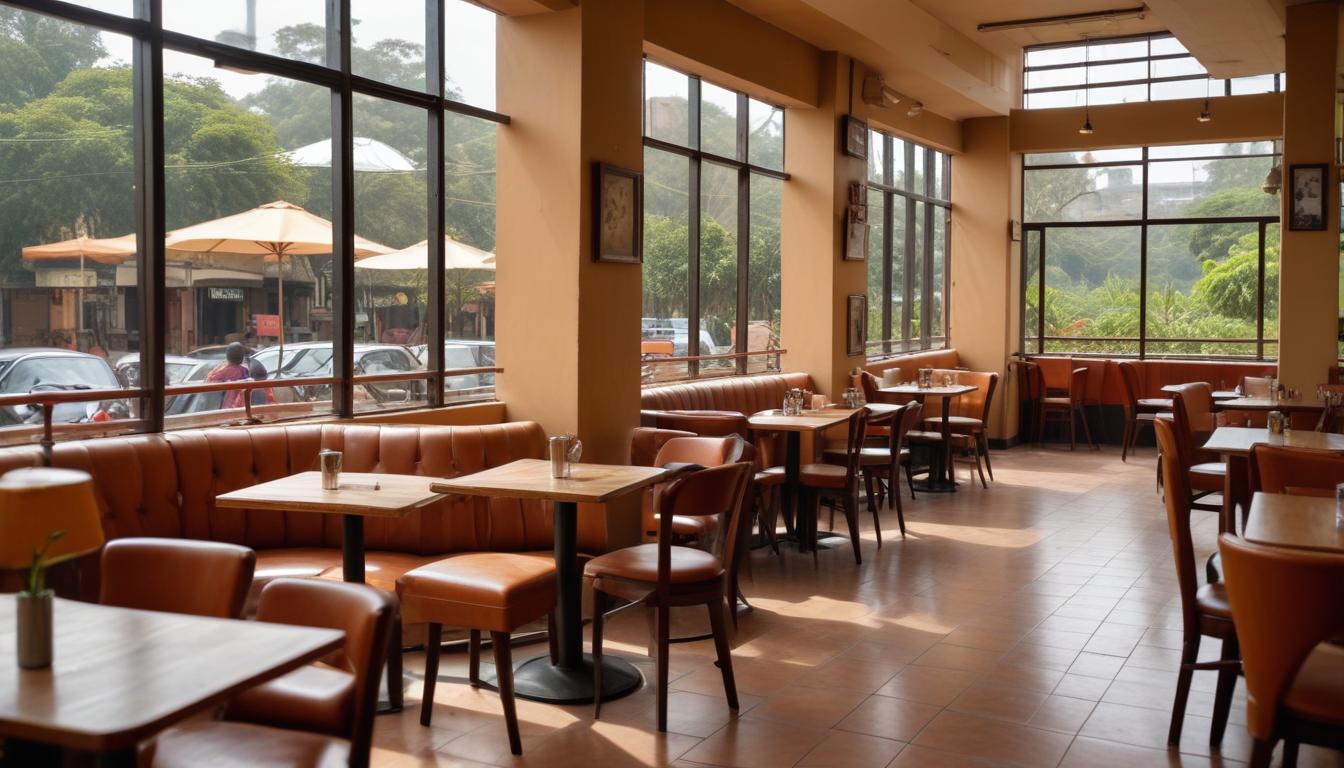
Walk into any café along Westlands' Tree Avenue these days, and you'll notice something that would have seemed unthinkable five years ago: parents working on laptops while their children attend micro-learning sessions in adjoining spaces, or families gathering for midweek dinners without the guilt of missing evening traffic commutes.
The shift reflects a seismic change in how Nairobi's middle and upper-middle-class families are living, learning, and working. "The pandemic forced innovation, but what's remarkable is how much of it has stuck," notes the observation from education sector observers tracking schooling trends across the city.
Perhaps most visibly, hybrid and competency-based learning models have moved from crisis measures to legitimate choices. International schools like those clustered in Karen and around the Upper Hill corridor now offer flexible attendance schedules—three days in-class, two days remote—a model that resonates with families juggling multiple priorities. Day schools in Kilimani and Lavington have similarly embraced project-based curricula that parents say better reflects their children's individual learning speeds.
The infrastructure supporting this has evolved too. Co-working spaces with childcare facilities have proliferated. Spaces like those dotting Nairobi's business districts now feature supervised study pods and creative zones, allowing parents to work while their children learn independently nearby. Fees for after-school enrichment programs, once a luxury at 3,000-5,000 KES monthly, have become more competitive as supply increased.
Beyond school, the weekend-family experience has been reimagined. The Saturday farmers markets in Nairobi—from the established community-focused venues in Muthaiga to newer pop-ups in Westlands—have become social anchors where children learn about local agriculture while parents connect. Family-friendly restaurants along Riverside Drive and in the Village Market have expanded kids' menus and designated spaces, recognizing that modern parents want inclusive social lives.
What's driving the enthusiasm? Flexibility ranks first. The rigid 7 a.m. drop-off, 4 p.m. pickup model that once defined Nairobi parenting is giving way to customized schedules. Second, affordability has shifted—competitive pressures have made quality education and services more accessible to a broader middle class, not just the wealthy. Finally, there's a cultural recognition that family time isn't negotiable. The city that once celebrated hustle culture at all costs now celebrates parents who leave the office early without shame.
"Nairobi's finally understanding that happy families make healthy cities," as the sentiment goes among residents. Whether through school innovations, workspace design, or community spaces, the city is delivering on what families have long requested: lives that accommodate ambition and togetherness simultaneously.
This article was compiled by AI from the sources linked above and screened before publishing. See our editorial standards.