Walk into Gikomba market on a Tuesday morning and you'll witness a symphony of commerce that's been perfected over decades. Between the sprawl of second-hand clothing stalls and fabric vendors, it's not just the merchandise that captivates—it's the stories woven into every transaction. Rose Kariuki, who has operated her fabric stall in the northeastern section for seventeen years, doesn't simply sell kitenges and cotton blends. She's become an unofficial fashion consultant to hundreds of brides, schoolteachers, and enterprising tailors who've built their livelihoods around her eye for quality textiles and fair pricing.
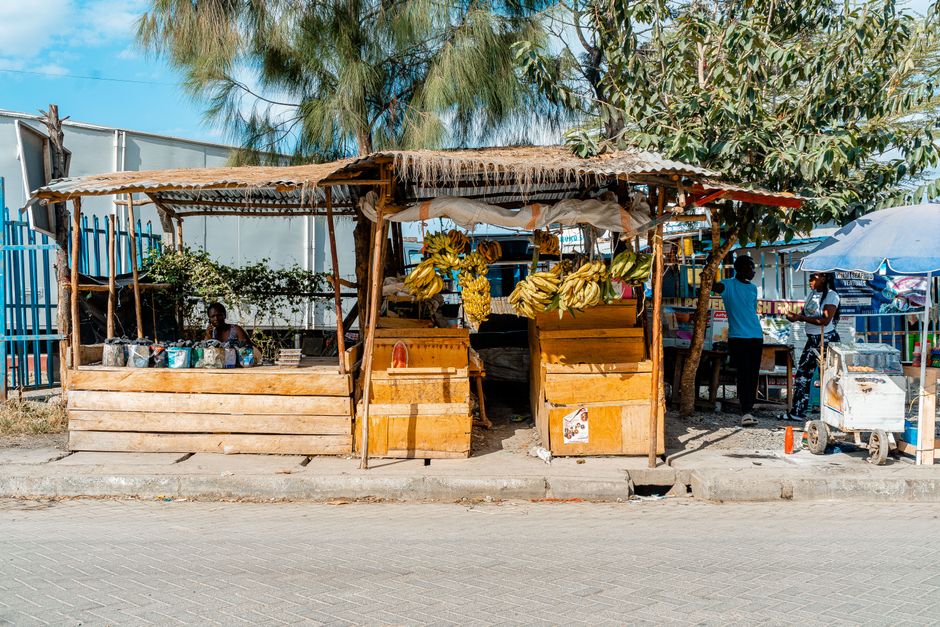
The retail landscape of Nairobi has transformed dramatically over the past five years. While shopping malls dot the skyline along Westlands and the CBD, it's the traditional markets and independent retailers that continue to pulse with authentic character. Statistics from the Kenya National Bureau of Statistics suggest informal retail still accounts for nearly 60% of retail activity in urban Nairobi, with markets like Waiyaki Way, Muindi Mbingu Street, and the emerging vintage scene in Kilimani drawing both locals and international visitors seeking something beyond mall uniformity.
Daniel Kipchoge's vintage record shop tucked between a phone repair stall and a traditional medicine vendor on Koinange Street has become an unexpected pilgrimage site for music enthusiasts. What started as a weekend hobby in 2019 has blossomed into a curated collection of vinyl spanning decades, with Kipchoge serving as both proprietor and living encyclopedia of Nairobi's musical heritage. He remembers customers by name, their musical tastes, and often reserves albums he knows will appeal to regulars—a level of personalized retail that transcends the transactional.
Down in the heart of River Road, the jewellery traders have earned their reputation through generations of craftsmanship. The networks of goldsmiths and diamond dealers operate with an intricate system of trust and expertise refined over decades. A single trader might work with three generations of a family business, understanding not just inventory but the cultural significance of each piece.
These aren't merely commercial spaces—they're repositories of Nairobi's entrepreneurial spirit. Whether it's the woman running a thriving textile business from Eastleigh's sprawling fabric markets or the young entrepreneur leveraging social media to grow their second-hand fashion empire from a Kawangware warehouse, Nairobi's retail sector thrives because of the people who've staked their futures on it. Their faces, their hustle, their innovation—that's what makes shopping here distinctly, unforgettably Nairobi.
This article was compiled by AI from the sources linked above and screened before publishing. See our editorial standards.