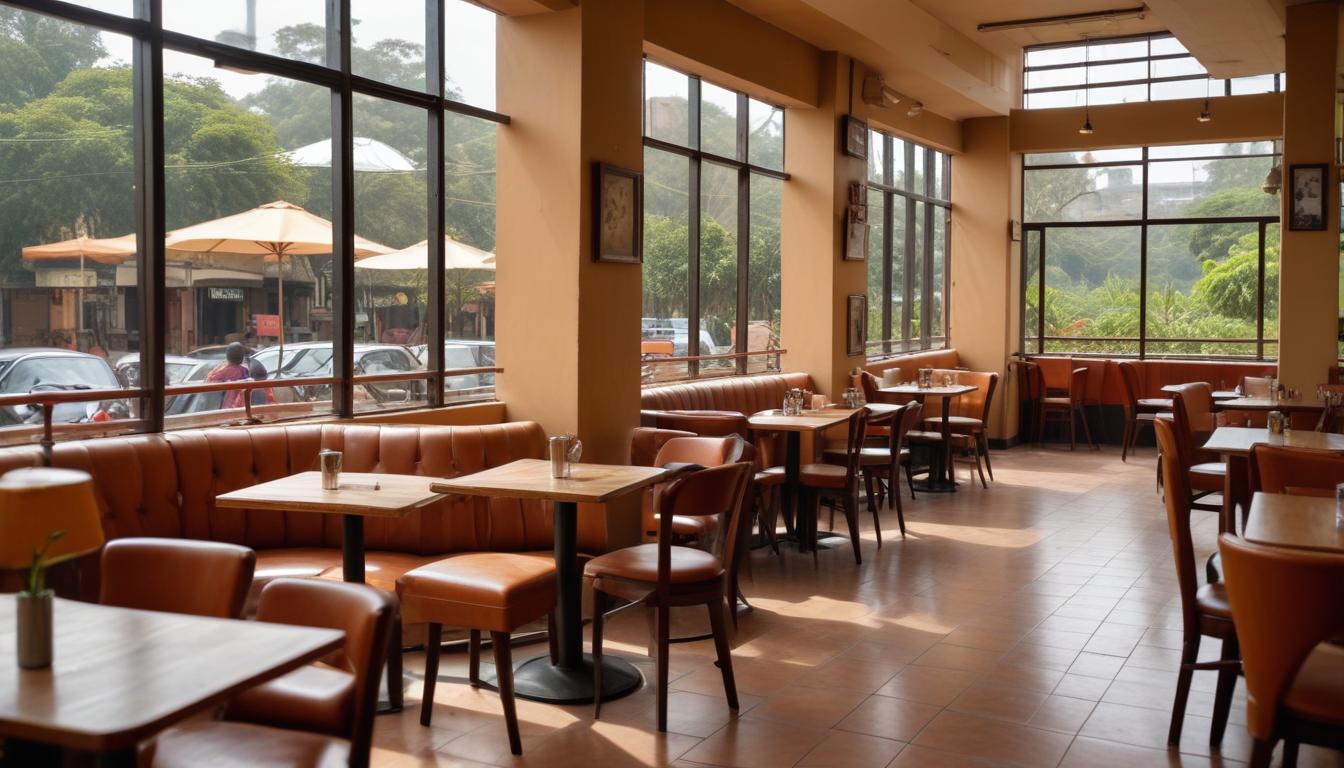
Step into a Westlands café on Saturday morning, and you could be anywhere cosmopolitan. But by afternoon, you're watching a giraffe cross the Nairobi National Park plains just 7km from the city centre's glass towers. This collision of worlds—hyper-urban sophistication crashing against untamed wilderness—is what makes Nairobi's weekend leisure landscape genuinely singular.
Compare this to London's countryside retreats (hours away), New York's confined nature options, or even Cape Town's stunning but geographically limited outdoor scope. Nairobi compresses an embarrassment of riches into a surprisingly compact geography. The Nairobi National Park entrance is a 15-minute drive from Karen, where weekend brunches at spots like The Bomas cost around 800–1,200 KES. Yet within that same park, you're tracking wildlife in ways that would require international travel elsewhere.
The weekend ritual is distinctly Nairobi: Friday evening finds you in Eastleigh or Kilimani at one of the city's craft beer spots or wine bars—establishments serving quality vintages that rival Johannesburg or Dar es Salaam. Saturday morning pivots to Langata's farmers markets and wellness centres, where a yoga class on a rooftop overlooking the Rift Valley costs less than you'd pay in most African capitals. Then comes the real distinction: a Sunday afternoon at the Giraffe Centre in Karen, where you're literally hand-feeding endangered Rothschild giraffes before heading to dinner in Muthaiga.
Other global cities require compromise. You choose: either cosmopolitan dining and culture, or nature and adventure. Nairobi demands no such sacrifice. The Nairobi Museum and railway museum provide cultural depth; the Ngong Hills offer hiking with views rivalling Table Mountain; the Karen Blixen Museum delivers literary history. Yet none of these keep you from a quick drive to witness real lions, leopards, and buffalo.
The cost calculus further distinguishes Nairobi. A full weekend—accommodation in a mid-range hotel (5,000–8,000 KES per night), park entry (800 KES), meals averaging 1,500 KES each—totals roughly what a single dinner costs in London or Dubai. Quality leisure here doesn't require wealth; it requires taste and local knowledge.
As global travel becomes increasingly homogenised, Nairobi remains stubbornly itself: a city where your Saturday involves serious urban culture and your Sunday involves serious wildlife. Few places on the planet can claim that without irony.
This article was compiled by AI from the sources linked above and screened before publishing. See our editorial standards.