Beyond the Postcard: How Nairobi's Neighbourhoods Reveal Their True Character on Weekends
From the art-driven lanes of Westlands to the entrepreneurial energy of Eastleigh, weekend day trips expose the real soul of the city's diverse communities.
From the art-driven lanes of Westlands to the entrepreneurial energy of Eastleigh, weekend day trips expose the real soul of the city's diverse communities.
Weekends in Nairobi tell a different story than weekdays. While commuters rush through Central Business District on Friday afternoons, the city's neighbourhoods transform into stages where local culture, commerce, and community rituals take centre stage. A proper weekend exploration reveals not tourist snapshots, but the genuine pulse of how Nairobi's residents actually live.
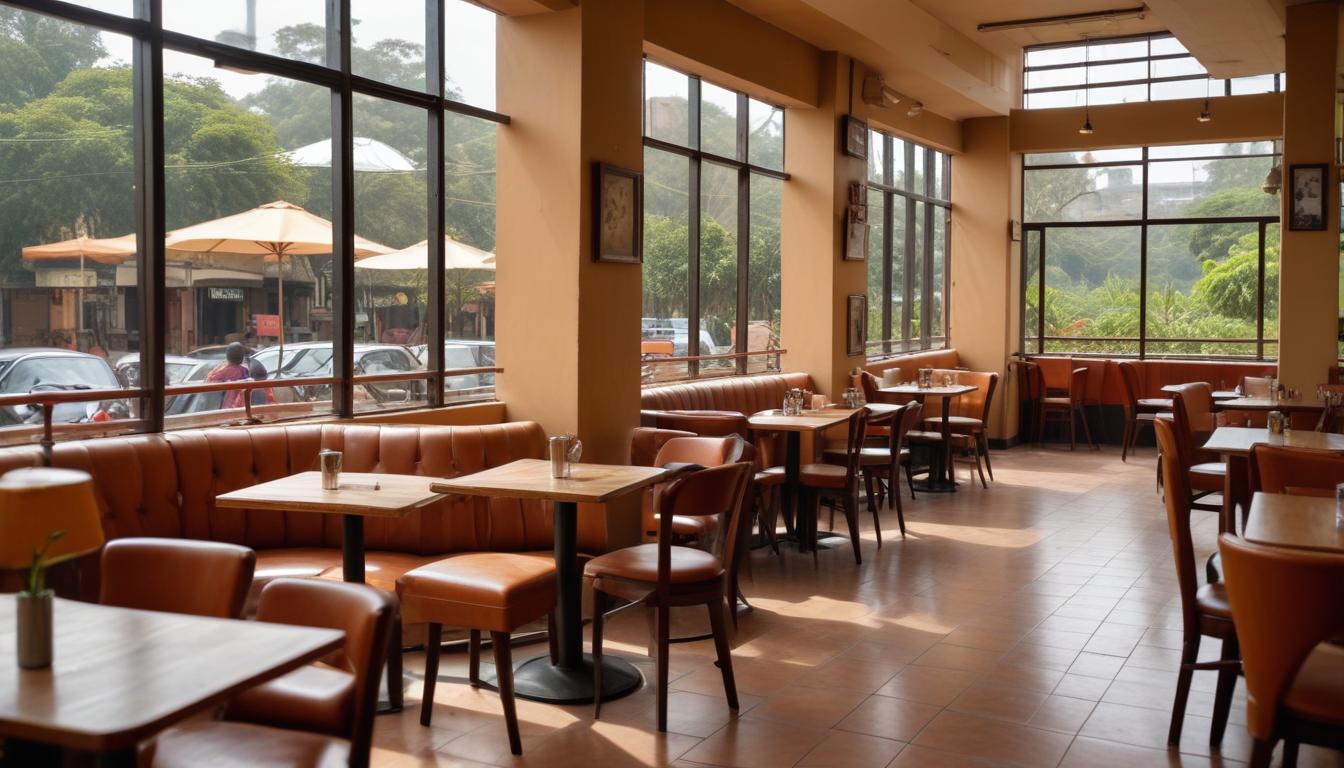
Start in Westlands, where the Saturday morning circuit around the Village Market corridor showcases creative economy work. Photographers, designers, and independent retailers populate cafés along Chiromo Lane and nearby studios. The neighbourhood's character emerges in its contradictions: high-end shopping strips coexist with artist studios where young creators price their work accessibly—canvas prints at 2,000 to 5,000 shillings reflect a community invested in supporting local talent rather than importing luxury goods.
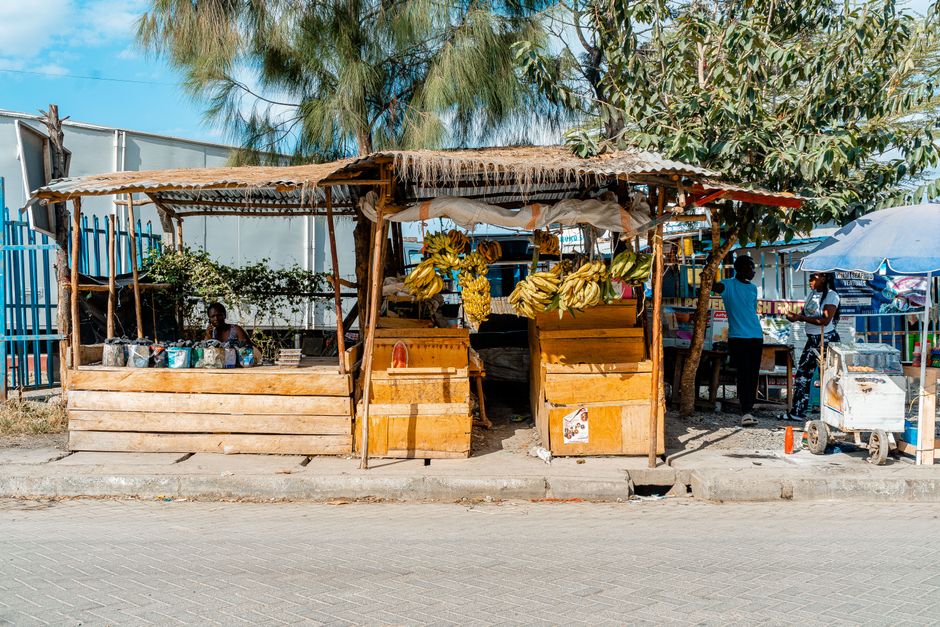
Shift east to Eastleigh, and the weekend atmosphere transforms entirely. What outsiders sometimes mischaracterize as merely a commercial hub reveals itself as a vibrant neighbourhood economy. Sundays bring families to restaurants along First Avenue, where Somali, Ethiopian, and Kenyan cuisines sit alongside each other. The informal sector thrives here with authenticity—shop owners know regulars by name, and the negotiation of prices reflects relationships rather than fixed retail models. This is where Nairobi's diaspora communities maintain cultural continuity while building enterprises.
The Southlands neighbourhood, increasingly popular with young professionals, demonstrates how weekend leisure patterns shape neighbourhood identity. Karen Blixen Museum attracts cultural tourists, but locals frequent the area for its forest trails and weekend farmers' markets. The Saturday morning market at Village Market in nearby Gigiri draws residents seeking organic produce—prices run 20-30% higher than supermarket equivalents, but the community values direct producer relationships and sustainability practices.
Nairobi's weekend neighbourhoods function as laboratories of social preference. In Kilimani, weekend foot traffic around Prestige Plaza and independent bookshops reveals an intellectual community; in Parklands, the mosque precinct fills with worshippers, then transitions to family gatherings. These aren't experiences marketed to visitors but rhythms that define how residents experience home.
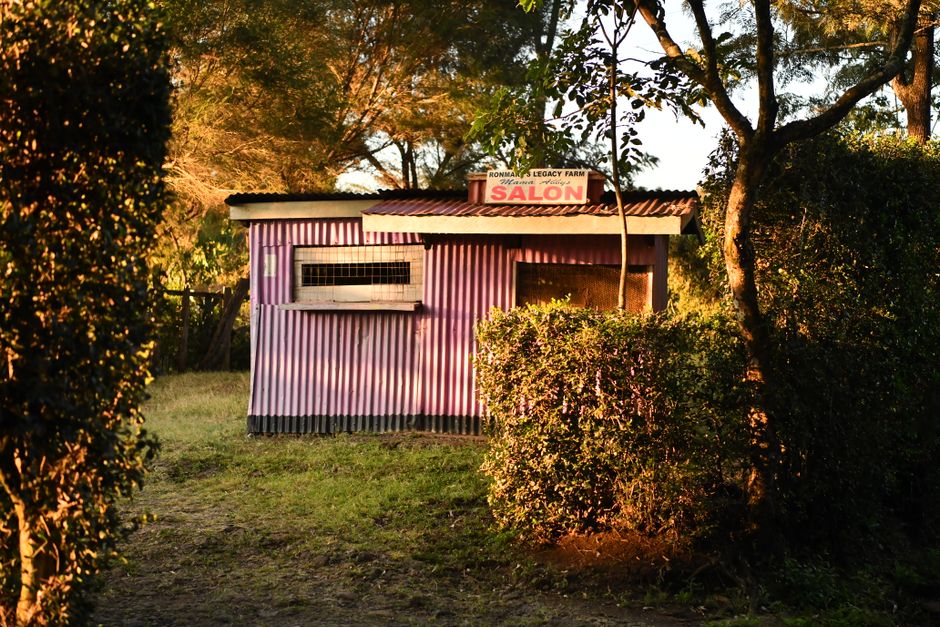
The real Nairobi emerges when you abandon curated itineraries. Spend a Saturday morning on Koinange Street's informal market, observe Sunday brunches in Kileleshwa where conversations mix business with pleasure, or walk through Nairobi West's residential lanes where weekend washing lines and neighbourhood football games reveal domestic life. These moments—unscripted and local—capture the neighbourhood character that statistics and guidebooks cannot reach. The city's true identity lives in these weekend rituals.
This article was compiled by AI from the sources linked above and screened before publishing. See our editorial standards.
How does this story make you feel?
Spread the word
About this article
Published by The Daily Nairobi
Daily brief
Free, in your inbox before 7am. Weekdays.
More in lifestyle