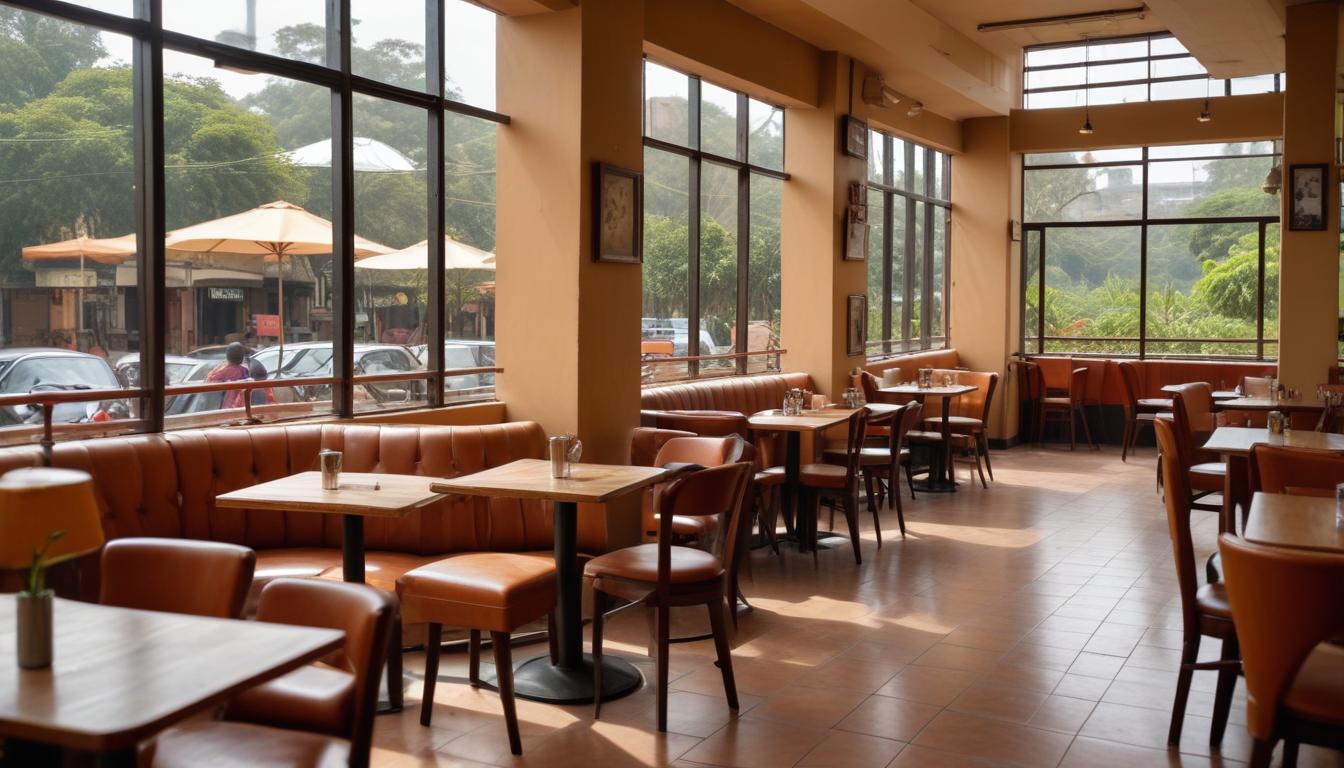
Walk down Westlands' tree-lined avenues on a Friday evening and you'll notice something markedly different from five years ago. The neighbourhood's nightlife landscape has undergone a quiet but unmistakable metamorphosis—one that reflects broader changes in how Nairobi's young professionals socialise, spend money, and define leisure.
Where sticky-floored sports bars once dominated, craft cocktail lounges now line Mpesi Lane and its tributaries. Venues like the recently renovated establishments around the Westlands Centre are increasingly catering to a demographic willing to pay 1,200–1,800 shillings for a properly made Old Fashioned, a marked shift from the 400-shilling beer that characterised the area a decade ago. Industry insiders attribute this to Nairobi's expanding middle class, with disposable incomes rising an estimated 23% over the past five years among professionals aged 25–40.
The transformation extends beyond pricing. Several new venues have embraced what might be called "lifestyle bundling"—combining alcohol service with wellness activities, live music, and cultural programming. This reflects a broader global trend, but it's taking distinctly Nairobi-specific forms: weekend brunches paired with yoga sessions, DJ sets featuring Kenyan electronic producers, and food collaborations with local chefs emphasising indigenous ingredients.
Sustainability and social responsibility have also become marketing cornerstones. Newer establishments are openly marketing their use of locally sourced spirits—a nascent Kenyan craft distilling sector is gaining traction—and promoting environmental practices. The shift signals a maturing market where consumers increasingly ask not just what they're drinking, but where it comes from and what its production supports.
Yet this evolution hasn't been without friction. Long-time residents and business owners have watched rents climb steeply, with prime Westlands commercial space nearly doubling in cost over six years. Some veteran establishments have closed, unable to compete with well-capitalised new entrants. Local taxi operators and service workers who've traditionally depended on the nightlife economy report mixed fortunes as venue operations become more formalised and less reliant on informal labour arrangements.
The demographic profile of nightlife-goers has shifted too. Where Westlands once drew a broad cross-section of Nairobi's working population, venues now increasingly cater to expats, multinational employees, and affluent locals—a narrowing that raises questions about whose Nairobi is being built through these changes.
As Westlands continues its evolution, industry observers suggest the neighbourhood is settling into a stable identity: a premium leisure destination reflective of Nairobi's aspirations, if not yet its reality for most residents.
This article was compiled by AI from the sources linked above and screened before publishing. See our editorial standards.