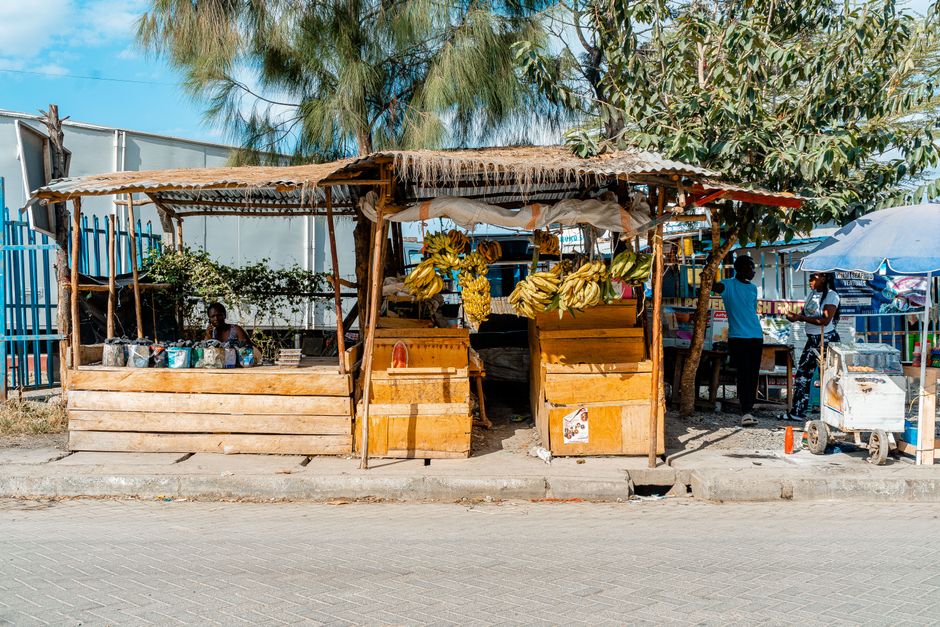
Skip the Guidebooks: What Nairobi Locals Actually Want You to Know About Their Neighbourhoods
Real residents share unfiltered advice on where to live, eat, and belong in Africa's most dynamic city.
Real residents share unfiltered advice on where to live, eat, and belong in Africa's most dynamic city.
Nairobi's reputation as a sprawling metropolis often overshadows a quieter truth: it's a collection of fiercely loyal village-like communities. We spoke with long-term residents across the city's most vibrant quarters to uncover what guidebooks miss—the honest counsel that separates thriving city dwellers from frustrated newcomers.
Westlands remains the financial heart, but residents warn that rents exceed Sh150,000 monthly for modest two-bedroom apartments. The trade-off? Walk to The Hub, Westlands Acacia mall, and a dozen restaurants within minutes. "You're paying for convenience and safety," locals note. "But eat at home most nights, or budget will strangle you."
For those seeking breathing room without sacrificing access, Kilimani and Lavington offer a middle path. Residents praise Tree Avenue and the emerging food scene around Kilimani Centre, though traffic on Waiyaki Way during rush hours is universally lamented. Monthly rents hover between Sh80,000–Sh120,000 for comparable space.
Karen and Langata attract families and those prioritising green space. Community centres like Bomas of Kenya and the ongoing development near Nairobi National Park appeal to outdoor enthusiasts. However, locals emphasise that distances to central business district jobs stretch commutes to 45 minutes or more, reshaping daily rhythm.
Eastleigh presents a different proposition entirely. Traditionally dismissed by outsiders, long-time residents highlight its vibrant street life, affordable housing (Sh40,000–Sh70,000 for two-bedroom units), and thriving Somali and Ethiopian restaurant culture. Safety concerns persist; locals advise sticking to established routes and partnering with community groups like local business associations for orientation.
Nairobi's informal settlements—from Kibera to Mathare—house millions, though these areas sit beyond typical lifestyle coverage. Community organisations working there stress that characterising these zones as purely dangerous overlooks resilient social networks and economic vitality invisible to passing journalists.
Practical wisdom emerges consistently: invest time in your immediate neighbourhood community. Join the residents' association. Frequent local shops and restaurants. Use ride-hailing apps after dark. Avoid rushing conclusions about any area based on appearance alone.
"Nairobi isn't one city," residents agree. "It's dozens of cities stacked together. The ones that work are where people actually know their neighbours." That insight—unglamorous, ungeneralizable—might be the most valuable guidance this city offers.
This article was compiled by AI from the sources linked above and screened before publishing. See our editorial standards.
How does this story make you feel?
Spread the word
About this article
Published by The Daily Nairobi
Daily brief
Free, in your inbox before 7am. Weekdays.
More in lifestyle