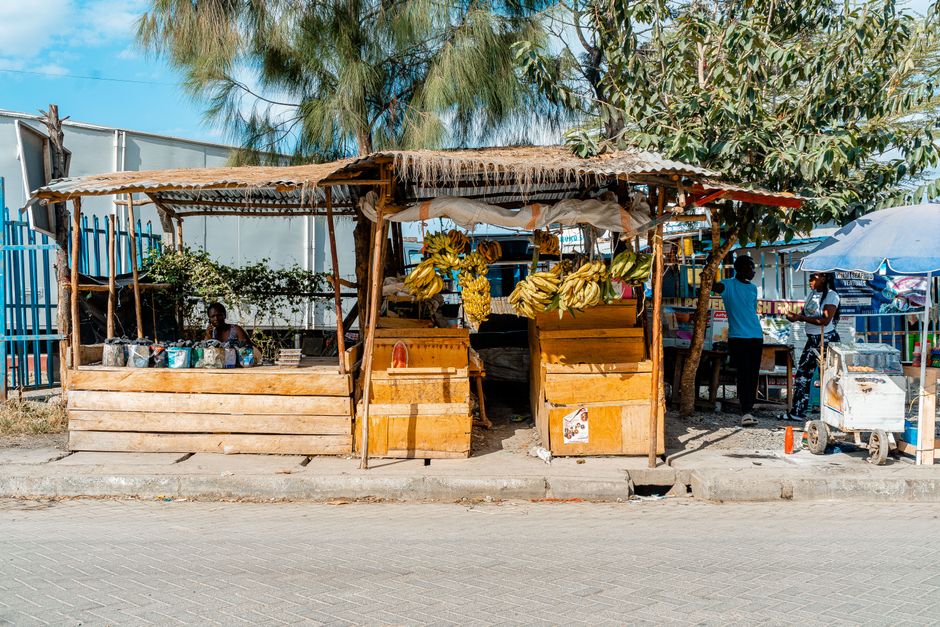
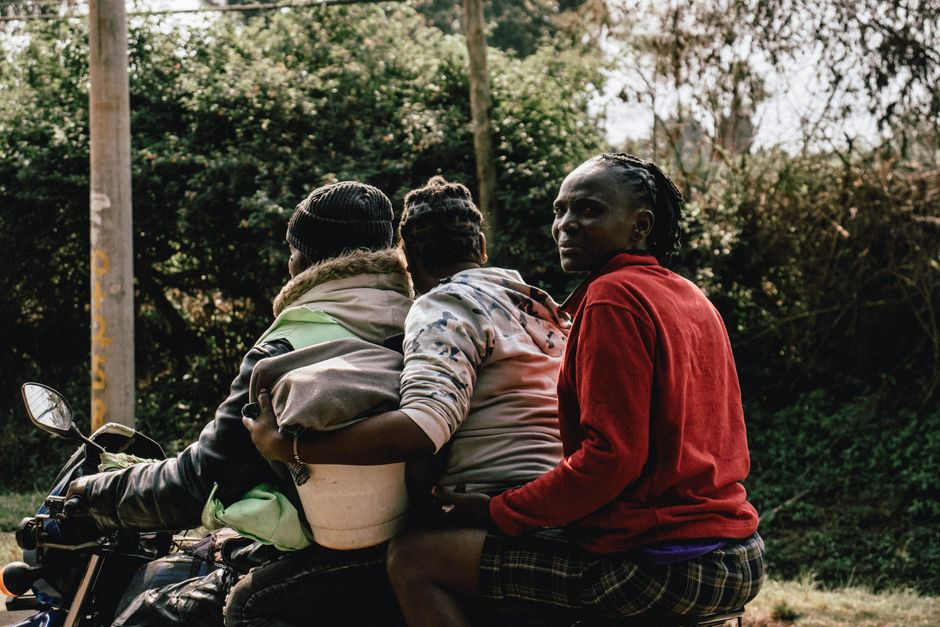
Walk through the leafy neighbourhoods of Kilimani on a Saturday morning and you'll spot something increasingly rare in global cities: groups of children aged 8 to 14 navigating the streets with genuine independence. They're catching matatus to tuition centres in Nairobi West, meeting friends at the Junction mall, grabbing samosas from corner shops. This freedom—practical, affordable, and culturally normalised—defines parenting in Nairobi in ways that distinguish it sharply from London, Lagos, or Singapore.
The economics alone set Nairobi apart. While parents in comparable African cities like Accra or Johannesburg juggle premium school fees against security concerns, Nairobi's educational landscape offers unexpected flexibility. Quality private schools like Nairobi School or Hill School charge between KES 1.2 to 2.5 million annually, steep but not prohibitive for upper-middle-class families. Yet affordable alternatives thrive too—community schools in South B and Kilimani charge KES 150,000-400,000, forcing no false binary between privilege and education. This range allows parents to make genuinely diverse choices rather than defaulting to one elite pathway.
The city's geography creates another distinction. Nairobi's sprawl—from Runda's gated estates to Embakasi's bustling residential zones—means families aren't trapped in monocultures. A child might attend school with kids from 40 different countries while living in a neighbourhood where Kikuyu, Swahili, and English weave seamlessly through daily life. This isn't cosmopolitanism forced by immigration policy; it's organic, generational, and shapes how children navigate identity from age five onwards.
Outdoor parenting here looks different too. While helicopter parenting dominates wealthy cities globally, Nairobi's combination of warm weather, affordable help, and established social networks creates space for what might seem like unstructured childhood to outsiders. The Karura Forest offers hiking trails where families gather; neighbourhood compounds host evening football matches; weekend trips to the Nairobi National Park are routine rather than aspirational. These aren't luxuries—they're infrastructure.
The school calendar itself reflects Nairobi's unique position. Three-term systems allow parents to navigate holiday periods differently than the long summer breaks that define Western education. International families adapt their migration patterns accordingly. Local families plan domestic travel or send children to grandparents upcountry, maintaining ties beyond the city that urban kids in purely metropolitan settings often lose.
Perhaps most distinctively, Nairobi parenting remains relatively unburdened by the performative intensity visible in comparable global cities. School selection matters intensely, certainly. But the absence of university admissions arms races—Kenyan tertiary education follows different admission models—means childhood here retains a quality many global parents have lost: space to simply grow.
This article was compiled by AI from the sources linked above and screened before publishing. See our editorial standards.