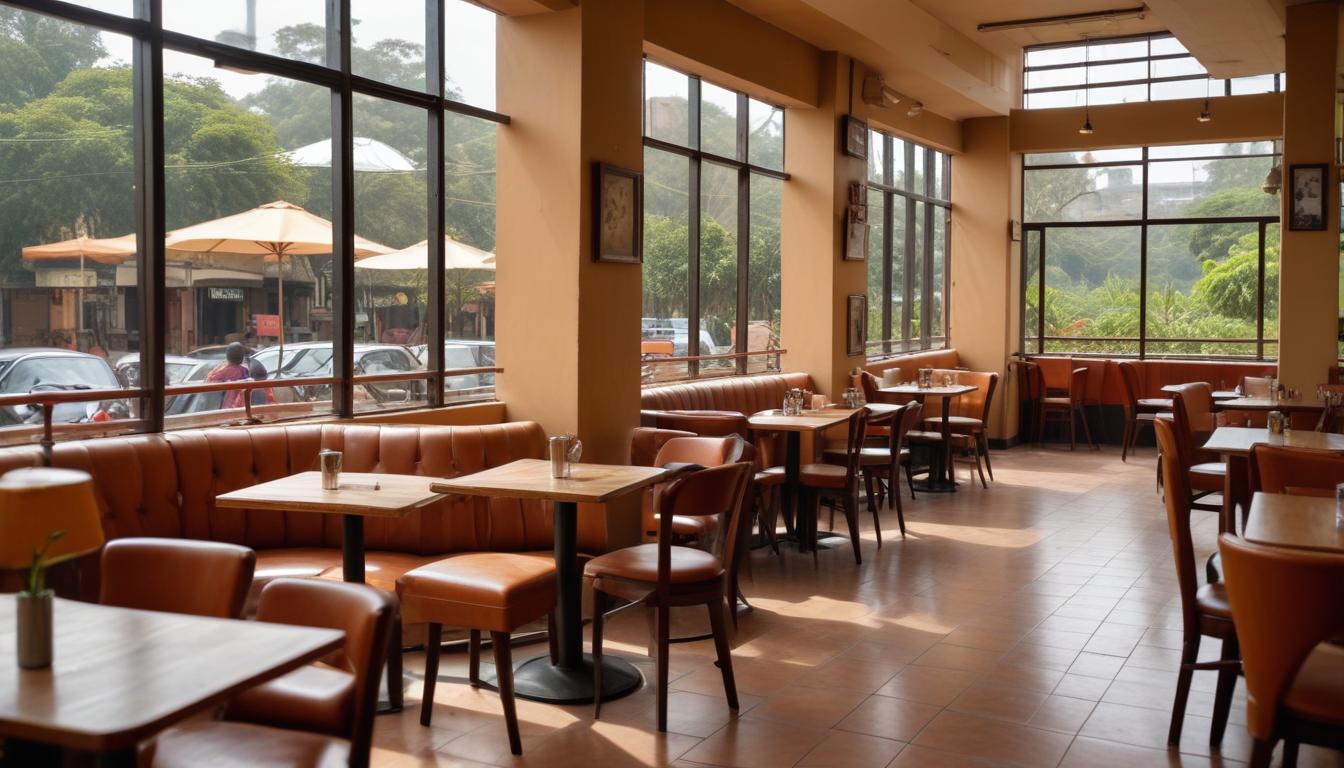
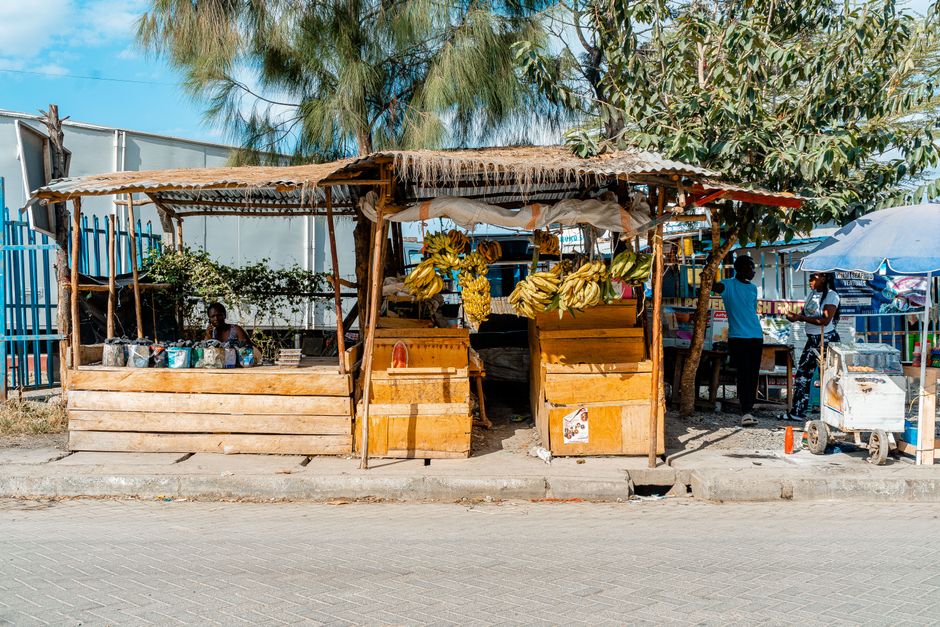
On any given Thursday evening, the streets around Westlands' business district transform into something resembling an extended living room for Nairobi's professional class. The shift is subtle but unmistakable: office workers shedding their corporate identities, young entrepreneurs shifting from boardroom tension to barstool philosophy, and a cross-section of the city's creative community treating the neighbourhood's establishments as unofficial salons.
The character of Westlands' nightlife reveals itself through its venues' distinct personalities. Along Gitanga Road and the tributaries feeding into it, bars have become neighbourhood anchors in ways that defy the transient nature many assume of such spaces. Regular patrons—accountants, marketing professionals, startup founders—maintain what amounts to assigned seating habits, creating an ecosystem where the bartender often knows your drink preference before you order.
What distinguishes Westlands from other Nairobi entertainment zones is the deliberate curation of social mixing. Unlike the more exclusive hotel lounges dotting Upper Hill or the student-dominated venues in Parklands, Westlands bars function as genuine demographic crossroads. A typical Friday night draws together executives from the nearby corporate towers, creative professionals from the design and tech sectors clustering in Kilimani, and service industry workers whose shifts have ended. Drink prices—typically ranging from Ksh 400 for a beer to Ksh 1,200 for premium cocktails—position these venues firmly in the middle market, accessible but not casual.
The neighbourhood's bar scene also reflects Nairobi's evolving relationship with sociability post-pandemic. Venues have invested in hybrid functionality: comfortable seating arrangements that accommodate both the quick after-work drink and the lingering dinner conversation. Many have integrated digital features—mobile payment systems, social media integration—that feel organic rather than forced, allowing patrons to document their evenings without performing for invisible audiences.
Local business associations note that Westlands' bar economy generates significant foot traffic for adjacent establishments: restaurants, late-night eateries, and ride-sharing services all benefit from the neighbourhood's evening momentum. The Kenya Breweries Limited reports that on-premise consumption in premium locations like Westlands has remained resilient, with venues reporting 40-50% of their annual revenue concentrated in evening hours.
What emerges from conversations with regular patrons is a picture of neighbourhood loyalty that transcends the superficial. These bars have become repositories of professional networks, informal mentoring relationships, and friendships that often extend beyond the venue itself. In a rapidly changing city, they represent something increasingly rare: genuinely local spaces where the neighbourhood's character actually shapes the social experience.
This article was compiled by AI from the sources linked above and screened before publishing. See our editorial standards.