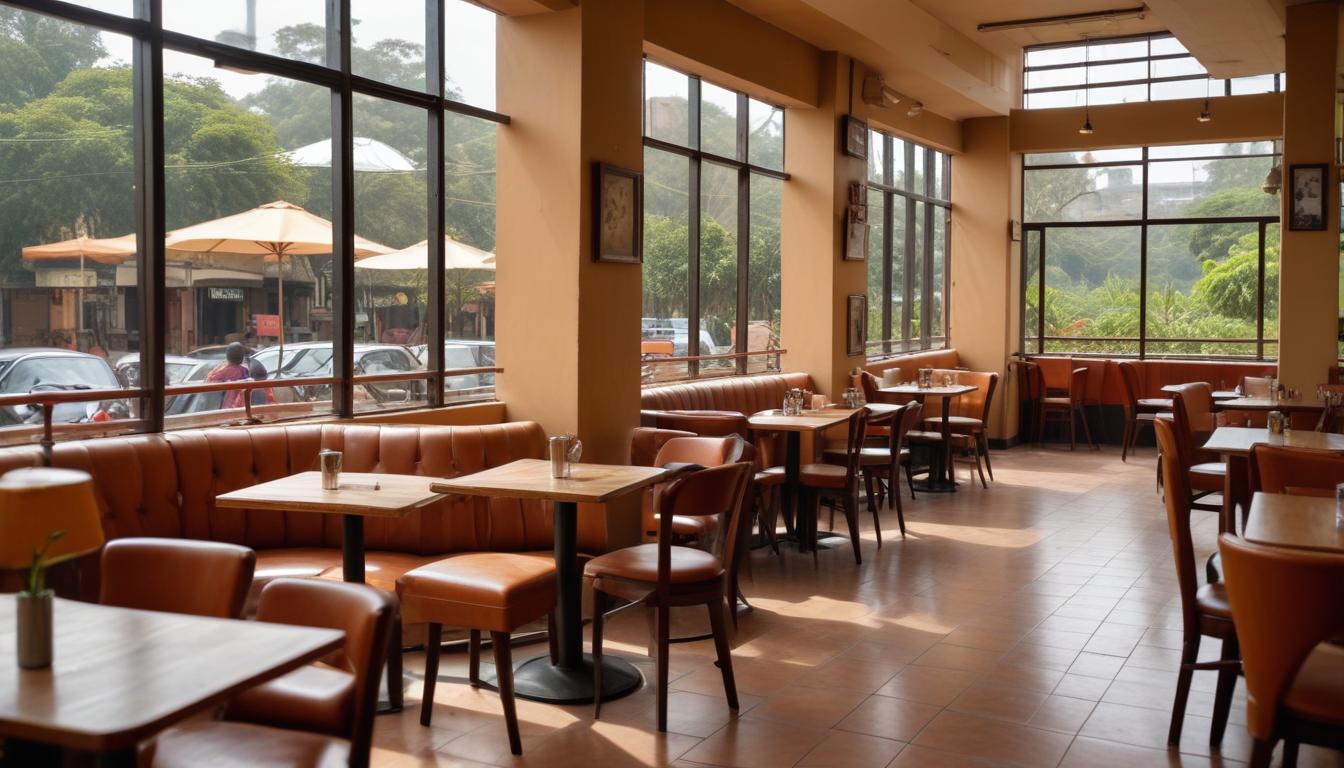
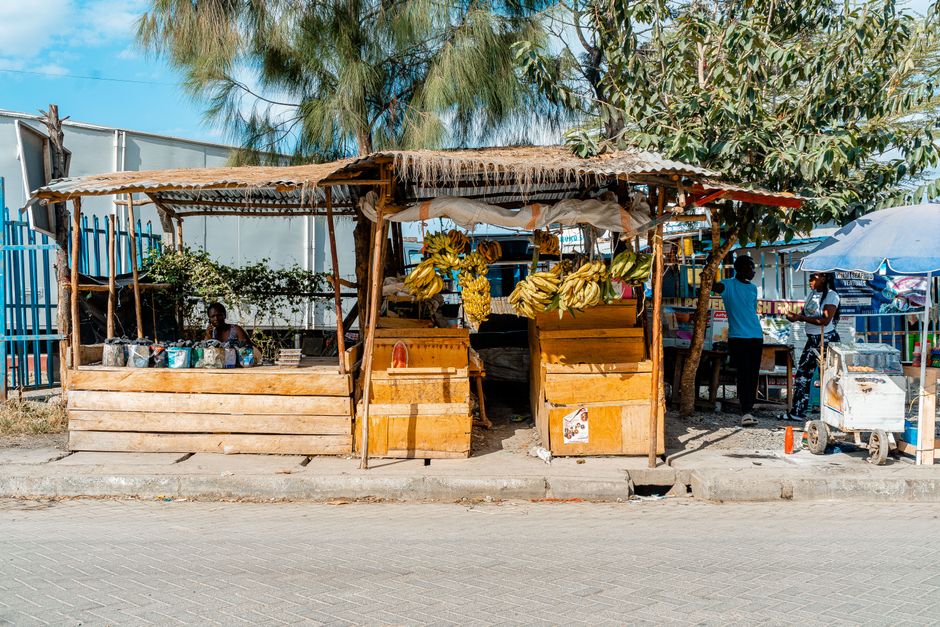
Walk down Mpesi Lane in Westlands on a Thursday evening and you'll notice something that felt impossible five years ago: people are actually lingering. The newly completed pavement widening project, finished last year, has created space for the informal cafés and small vendor stalls that once crowded the roadside to operate legally. A 500-metre stretch that used to feel chaotic now feels intentional.
This transformation isn't accidental. Over the past 18 months, both Westlands and Kilimani have undergone subtle but significant changes that are reshaping how middle and upper-middle-class Nairobians choose where to live. "We're seeing a 23% increase in young professionals choosing these neighbourhoods over the historically 'safer' enclaves like Muthaiga," says data from local property consultants tracking migration patterns across the city's residential zones.
The catalyst? Better municipal coordination. The completion of stormwater drainage systems along Chiromo Road has eliminated the flooding that plagued June-August monsoons for two decades. Simultaneously, new street lighting along Kiambu Road and improved refuse collection schedules—now twice weekly instead of sporadic—have addressed quality-of-life basics that residents rarely celebrate until they're gone.
But infrastructure alone doesn't explain the shift. New community anchors matter too. The reopening of the renovated Nairobi National Museum's satellite space near Kilimani's Bogani Road has given the area cultural weight. Meanwhile, the network of small roastery coffee shops that popped up along Lenana Road—a dozen new venues in 24 months—has created the casual social infrastructure that makes neighbourhoods feel alive.
Local business associations have also stepped up. The Westlands Residents Association now coordinates monthly security patrols and community cleanups, while the Kilimani Conservation Group's tree-planting initiatives have added 800 new roadside plantings since 2024. These aren't glamorous interventions, but they signal something crucial: neighbourhoods are being treated as places to invest in, not just move through.
Rental prices reflect the momentum. One-bedroom apartments in well-maintained complexes along Mpesi Lane now command 85,000–110,000 shillings monthly, up from 65,000–75,000 in 2023. Two-bedroom units in Kilimani's newer developments range from 140,000–180,000 shillings. Yes, prices are rising—but so is perceived quality of life.
What's striking is that locals aren't chasing trendy new developments or luxury amenities. They're choosing neighbourhoods where basics work reliably, where you can walk safely at dusk, and where there's enough social texture to feel like community rather than just residential real estate. In a city where municipal services remain unpredictable, that's become the real luxury.
This article was compiled by AI from the sources linked above and screened before publishing. See our editorial standards.