Why Nairobi's Nightlife Defies the Global Bar Scene Playbook
From rooftop lounges in Westlands to live music in Karen, Kenya's capital has carved out a distinctly African nocturnal culture that refuses to follow international templates.
From rooftop lounges in Westlands to live music in Karen, Kenya's capital has carved out a distinctly African nocturnal culture that refuses to follow international templates.
Walk into a nightclub in Manhattan or London, and you'll encounter a familiar formula: overpriced cocktails, DJ booth theatrics, and crowds scrolling Instagram between sips. Nairobi's bar scene operates on an entirely different frequency—one that blends entrepreneurial grit, cultural authenticity, and a social fabric woven through genuine human connection rather than brand sponsorship.
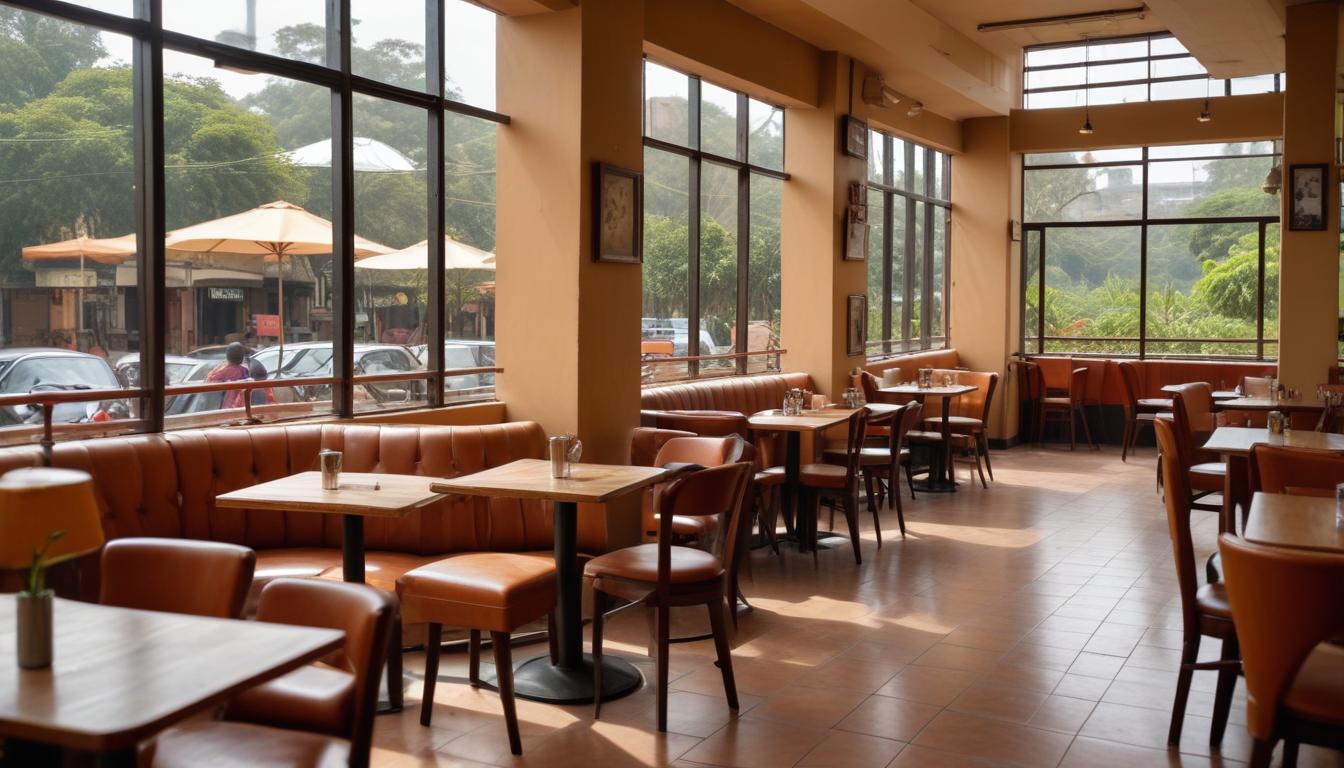
The distinction becomes apparent the moment you venture beyond downtown into neighbourhoods like Westlands and Karen, where the city's most vibrant establishments thrive. Unlike their counterparts in major Western cities, Nairobi bars function as genuine third spaces—not just consumption points but cultural incubators where business deals materialise over craft beer, where musicians test new material before sold-out shows, and where conversations shift seamlessly between Swahili and English.
Consider the economics. A well-crafted cocktail in Nairobi typically costs between 600-1,200 shillings (roughly $5-10 USD), compared to $15-20 in comparable establishments in Cape Town or Dubai. This pricing structure democratises nightlife in ways unimaginable elsewhere. You'll find lawyers sitting alongside startup founders, creatives, and students—a genuine cross-section of urban life rather than the stratified, Instagram-curated crowds typical of global nightlife districts.
The musical landscape tells another story entirely. While international clubs rely on imported DJs and streaming playlists, Nairobi's venues—from the intimate spaces in Kilimani to warehouse parties in Industrial Area—champion homegrown talent. Afrobeats, genge, and Kenyan hip-hop aren't background ambience; they're the main event, often performed live by artists building careers in real-time rather than through algorithmic promotion.
What fundamentally separates Nairobi is the absence of pretension masquerading as premium experience. There's little interest in the velvet-rope gatekeeping that defines nightlife globally. Instead, accessibility and authenticity command respect. A rooftop bar in Westlands will welcome you whether you're ordering a bottle of wine or a local beer, and the experience won't be diminished by your choice.
Perhaps most tellingly, Nairobi's bar scene remains stubbornly resistant to homogenisation. While global cities watch independent venues disappear under corporate consolidation, Nairobi's nightlife ecosystem continues spawning owner-operated spaces—each with distinct personality, clientele, and purpose. This entrepreneurial diversity creates an unpredictability and vitality that no focus-grouped, franchised experience can replicate.
In an era when global nightlife increasingly resembles itself, Nairobi remains defiantly, refreshingly different.
This article was compiled by AI from the sources linked above and screened before publishing. See our editorial standards.
How does this story make you feel?
Spread the word
About this article
Published by The Daily Nairobi
Daily brief
Free, in your inbox before 7am. Weekdays.
More in lifestyle