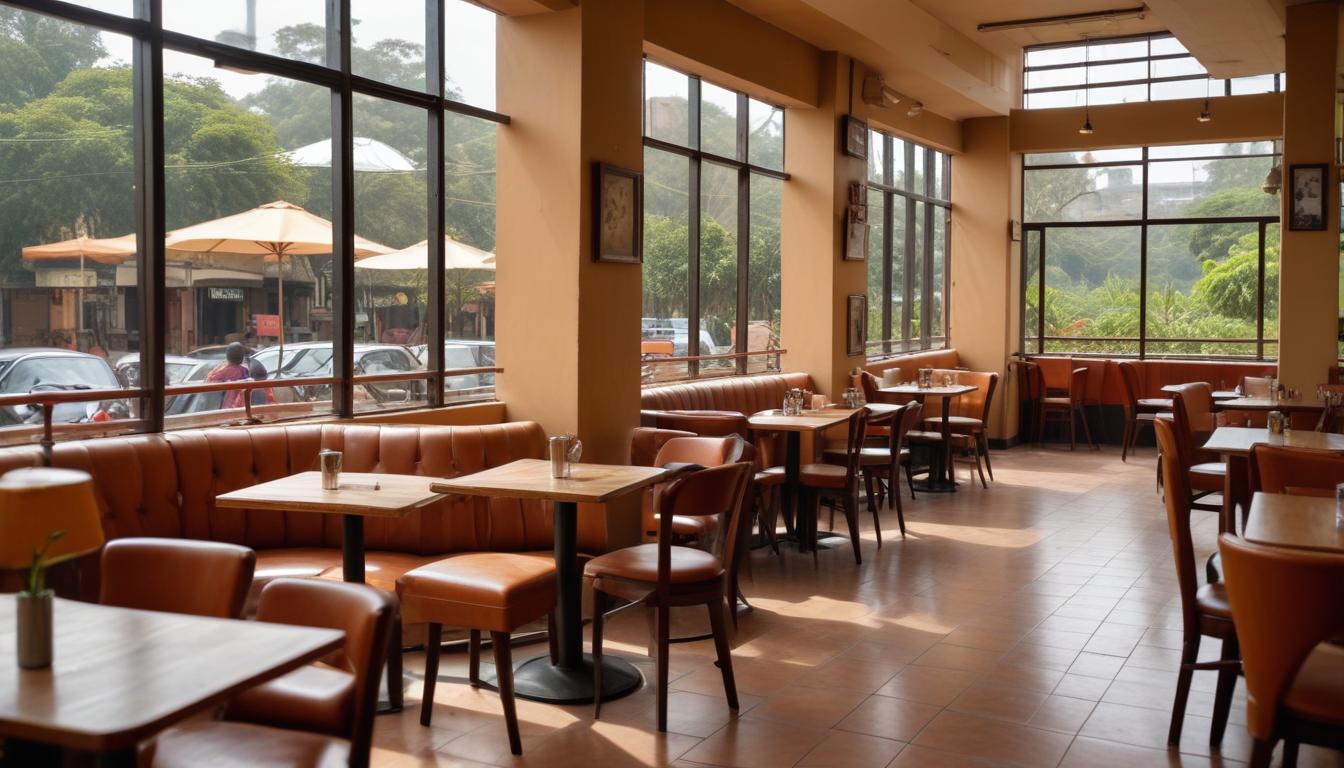
Walk into any establishment along Woodvale Grove or Karen Road on a Friday night, and you'll witness something distinctly Nairobi: a seamless fusion of live traditional music, craft cocktails, and a demographic as diverse as the city itself. While Lagos dominates with brash energy and Accra offers cultural tourism appeal, Nairobi's nightlife scene operates on a different frequency—one that locals and returning diaspora consistently describe as more refined, more genuinely mixed, and remarkably accessible.
The distinction begins with infrastructure and geography. Nairobi's sprawling layout means nightlife doesn't concentrate in a single district. Westlands pulses with rooftop bars offering sunset views of the city's skyline, with venues typically charging between Ksh 800-1,500 for craft beers and carefully curated cocktails. Meanwhile, Kilimani's underground club scene—housed in converted colonial-era buildings—offers house and Afrobeats at fraction of London or New York prices. This decentralization creates organic communities rather than tourist traps. A night in Nairobi genuinely feels like you're navigating a living city, not consuming a packaged experience.
What truly sets Nairobi apart is the cultural synthesis. While international cities often segregate experiences—jazz here, nightclubs there—Nairobi's venues naturally blend them. It's common to find a single establishment hosting live Kenyan jazz fusion on the ground floor, with a rooftop DJ playing Amapiano to a mixed crowd of tech workers, creatives, and international visitors. This reflects the city's actual composition: over 40% of Nairobi's population is under 25, with education levels that make conversations as engaging as the drinks.
The social infrastructure differs too. Unlike strictly commercial venues in many global cities, Nairobi's bar culture remains embedded in community spaces. Breweries and lounges frequently host art exhibitions, film screenings, and networking events. This transforms bars from mere drinking establishments into genuine social anchors—places where ideas circulate as freely as alcohol.
Price accessibility is another crucial factor. A night out in Nairobi—including premium venues—remains substantially cheaper than comparable experiences in London, Dubai, or even Cape Town. This democratizes the social scene, allowing broader sections of society to participate, which inevitably makes the atmosphere more vibrant and authentic.
As global travelers increasingly seek experiences beyond Instagram clichés, Nairobi's nightlife offers exactly that: complexity, genuine mixing, affordability, and an undeniable sense of being somewhere culturally significant. It's a scene still finding itself, which paradoxically makes it far more interesting than many cities that have already arrived.
This article was compiled by AI from the sources linked above and screened before publishing. See our editorial standards.