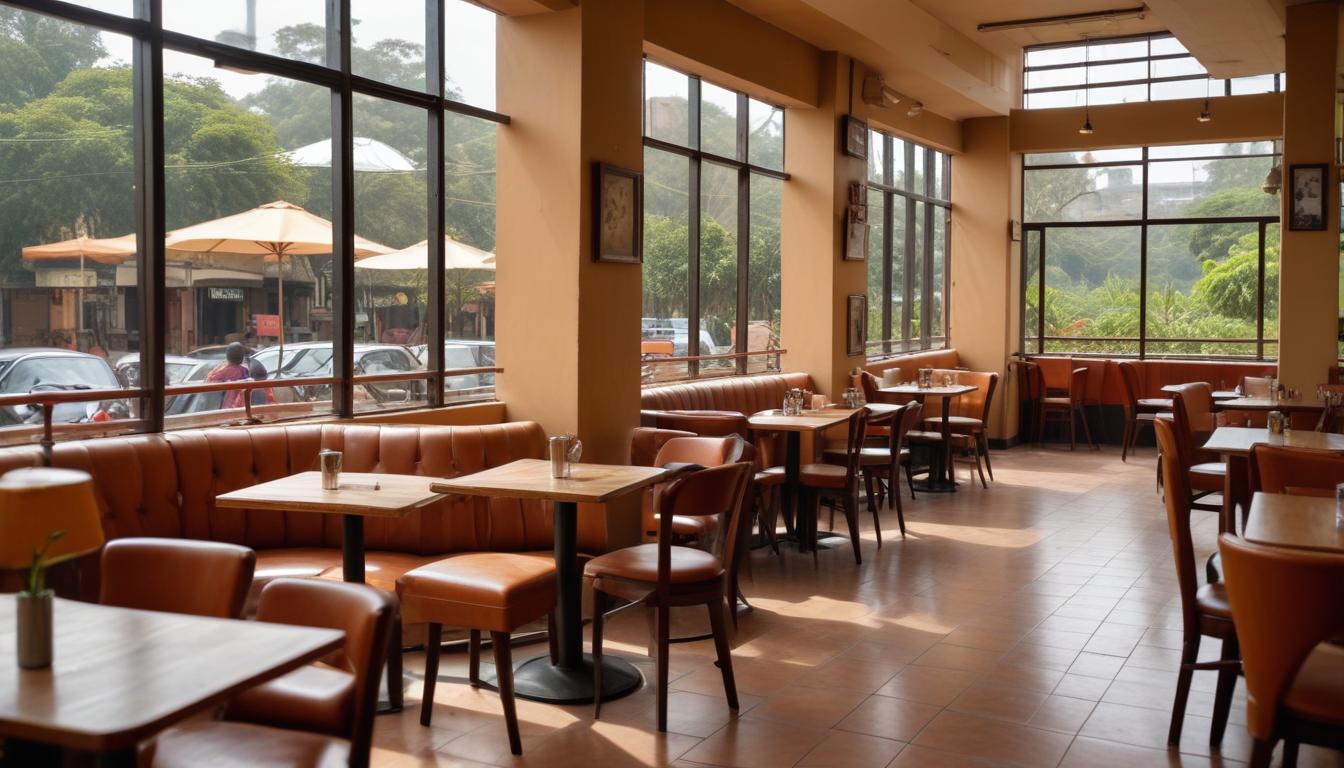
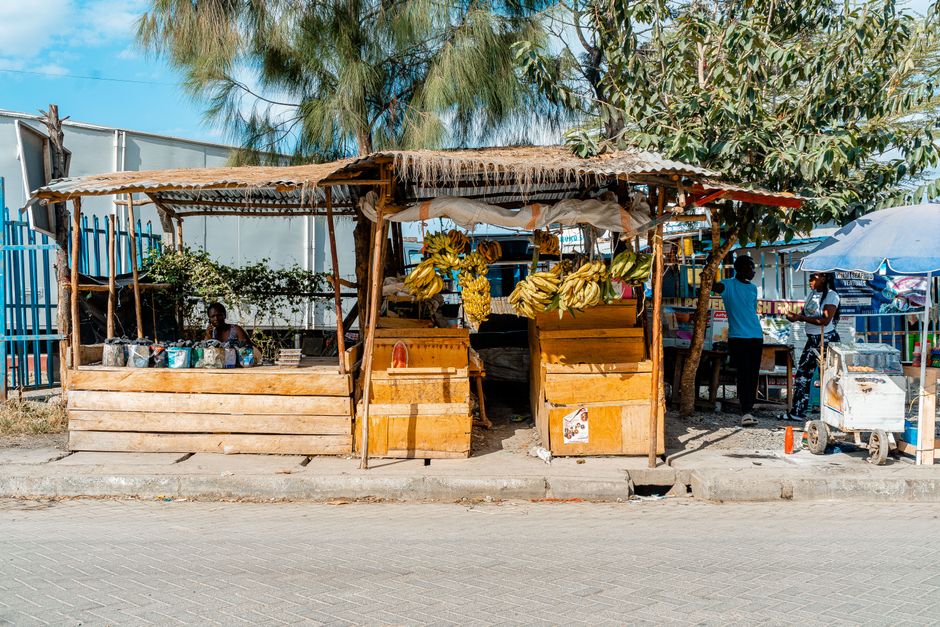
Five years ago, a typical Nairobi weekend meant a predictable loop: brunch in Westlands, shopping on Kimathi Street, perhaps dinner in Karen. Today, the city's leisure landscape is undergoing a quiet but unmistakable transformation. Weekend warriors are venturing further, seeking experiences that feel increasingly experiential and locally rooted rather than cookie-cutter corporate.
The shift is most visible along the Nairobi-Limuru corridor. What were once sleepy tea-farming villages are now dotted with agritourism ventures, farm-to-table restaurants, and wellness retreats. Data from Nairobi's tourism board suggests weekend trips to this region have grown 40% in the past two years, with younger professionals (25-40) driving much of that demand. The draw? Picking tea leaves at Limuru Tea Estate in the morning, then lunching at one of the increasingly sophisticated farm restaurants that have sprouted around Kikuyu and Limuru towns—a far cry from the standardized hotel buffet experience.
The Ngong Hills, long a jogger's domain, are being repositioned as adventure tourism hotspots. New operators have introduced guided sunset treks, paragliding experiences, and camping packages that charge between Sh3,500 and Sh8,000 per person. Local entrepreneurs have recognized that Nairobi's growing middle class is hungry for weekend activities that blend physical challenge with cultural storytelling—guides now often weave in Maasai history alongside the hiking experience.
Meanwhile, the Nairobi National Park is experiencing a renaissance. Where once it catered primarily to tourists, weekend visitation by locals has tripled since 2023, buoyed by improved accessibility from the Southern Bypass and new game-viewing packages starting at Sh2,000 per vehicle. Families are reclaiming what was always theirs but felt somehow foreign.
Even within the city proper, neighborhoods are evolving. Parklands and Gigiri, traditionally quiet residential zones, now anchor weekend foot traffic with emerging craft breweries, farmer's markets, and pop-up cultural events. Karura Forest remains a constant, but its infrastructure—new cycling trails, guided nature walks—reflects how leisure is becoming more structured, more intentional.
What's driving this shift? Partly, a post-pandemic desire for open spaces and authenticity. Partly, social media's democratization of previously hidden gems. But fundamentally, Nairobi's weekend culture is maturing: the city's residents increasingly expect their leisure time to offer meaning, movement, and connection to something beyond themselves—whether that's a tea farm, a forest, or a sunset from the hills.
This article was compiled by AI from the sources linked above and screened before publishing. See our editorial standards.