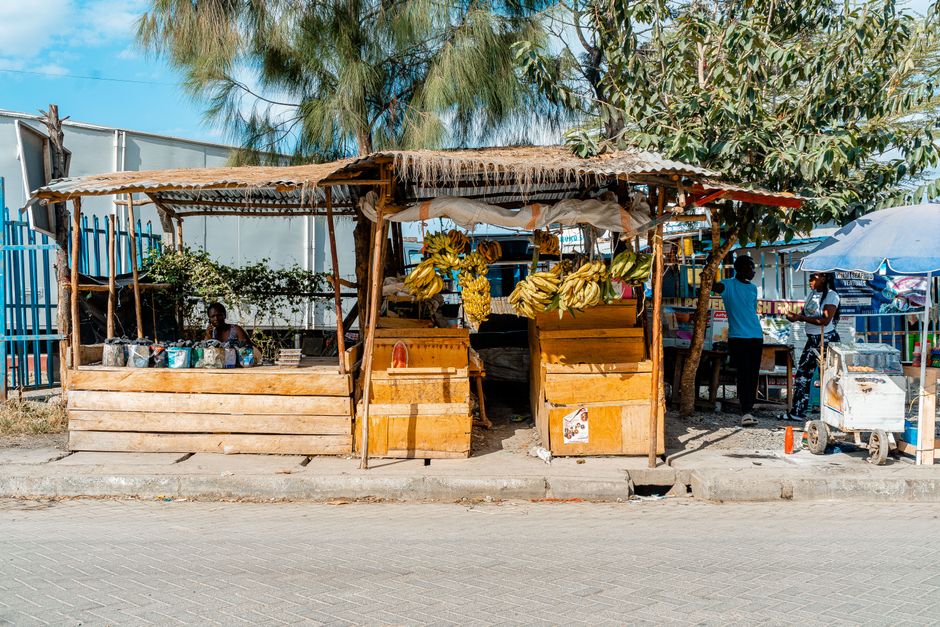
Walk through Gikomba Market on any Saturday morning and you'll notice something has shifted. Alongside the familiar stalls hawking secondhand clothes and electronics, a new breed of vendor has set up shop—young entrepreneurs with Instagram handles displayed prominently, offering carefully styled vintage finds and upcycled fashion at prices that would've seemed unthinkable just three years ago. A vintage leather jacket that might fetch 800 shillings at the wholesale end now commands 2,500 shillings when paired with proper branding and a social media presence.
This evolution isn't isolated to Gikomba. Across Nairobi's traditional shopping districts—from the bustling corridors of Westlands' riverfront vendors to the reimagined sections of Tom Mboya Street—retailers are navigating a profound transformation. The shift reflects broader changes in how Nairobi's middle class shops, but also reveals tensions between authenticity and commercialisation that define the city's retail landscape in 2026.
Data from the Nairobi Chamber of Commerce suggests that foot traffic in established markets increased by 23 percent over the past 18 months, but the composition of shoppers has changed markedly. Whereas these spaces were traditionally dominated by budget-conscious consumers seeking deals, they're now attracting affluent young professionals hunting for sustainable fashion and unique finds. Some traders have responded by upgrading their stall aesthetics and accepting M-Pesa payments through QR codes—basics that seemed unnecessary five years ago.
Yet not everyone welcomes the shift. Traditional vendors in Akasya Lane and around the Central Business District express concern that rising rents and increased competition from formal retail outlets like the newly expanded outlets malls in Nairobi West are gradually pricing out longtime operators. Several established stall owners report a 15-20 percent increase in monthly fees over the past two years.
The most visible transformation, however, is happening in curated retail spaces. Markets like those in Kilimani and around Kilimani Lane have begun hosting pop-ups featuring local designers and artisans, blending the spontaneity of street shopping with the polish of boutique retail. These hybrid spaces are drawing weekend crowds who might never have ventured into traditional markets previously.
What's emerging is a fascinating duality: Nairobi's shopping markets are simultaneously becoming more sophisticated and more diverse. Whether this evolution strengthens or dilutes their cultural significance remains hotly debated among traders, shoppers, and urban planners alike.
This article was compiled by AI from the sources linked above and screened before publishing. See our editorial standards.