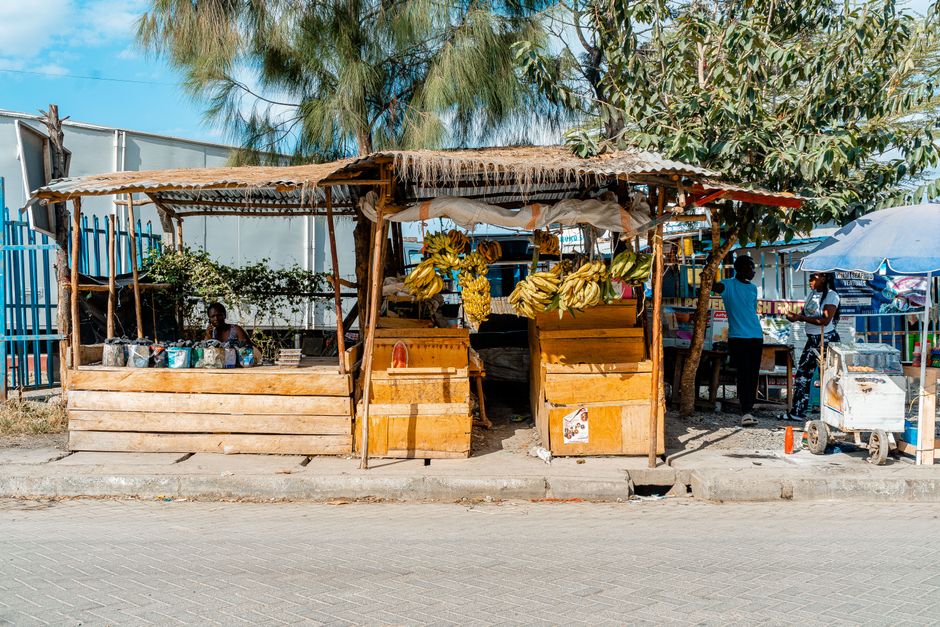
When expats arrive in Nairobi, they often expect a predictable transition: find an apartment in Westlands, visit the usual expat haunts, settle into a comfortable expatriate bubble. Within weeks, most discover something entirely different—a city that refuses to fit into international templates.
Unlike Dubai's manufactured perfection or Singapore's calculated efficiency, Nairobi thrives on organised chaos. You might spot a giraffe from your office tower in Kilimani, negotiate with matatu drivers who've memorised every pothole on Langata Road, and attend a tech conference where the next African unicorn is being born. This unpredictability isn't a bug; it's the feature that makes the city magnetic.
The startup ecosystem deserves particular mention. Nairobi's tech scene—centred around areas like Westlands and the Konza Technopolis corridor—has birthed companies like Flutterwave and Andela, attracting venture capital and talent globally. Unlike established tech hubs where entry barriers are astronomical, Nairobi remains accessible. Co-working spaces charge between 15,000-40,000 KES monthly, and the collaborative energy feels genuinely innovative rather than performative.
Then there's the outdoor lifestyle. Karen and Langata residents wake to birdsong; the Nairobi National Park's animals graze just kilometres from the CBD. Weekend options span from hiking Mount Kenya (a morning's drive) to sunset drinks at venues like Giraffe Centre, where you're literally at eye level with endangered Rothschild giraffes. No other major global city offers this proximity to wildlife.
The food scene tells another story. Upper Hill and Westlands host everything from Michelin-trained chefs to legendary street food vendors. Prices—roughly 800-3,000 KES for quality meals—remain reasonable compared to comparable cities. The local coffee culture, anchored in Kenya's farming heritage, attracts serious enthusiasts.
Socially, the expat community here differs markedly from elsewhere. Rather than insular compounds, integration happens organically through churches, gyms, and neighbourhood associations. Karura Forest offers morning running routes where you'll meet everyone from diplomats to entrepreneurs. The rhythm feels less transactional than cities like Hong Kong or Dubai.
That said, newcomers should acknowledge real challenges: traffic congestion rivals Bangkok's worst days, infrastructure gaps persist, and security awareness remains essential. Healthcare costs and school fees demand serious budgeting.
What ultimately separates Nairobi is this: it doesn't pretend to be another Dubai or London. It's aggressively, unapologetically itself—a sprawling, ambitious African city where possibility feels tangible, where your neighbours run NGOs and cryptocurrencies with equal passion, and where you might literally cross paths with wildlife while checking emails. For expats seeking that authenticity, that edge, that genuine frontier feeling, Nairobi delivers what no other global city can.
This article was compiled by AI from the sources linked above and screened before publishing. See our editorial standards.