On a Tuesday morning in Kilimani, Esther navigates the school run with the precision of an air traffic controller. Two children, two different curricula, drop-offs spanning from Nairobi School to Karura Forest Academy—it's a logistics puzzle that plays out across the city's clogged arteries every dawn. She's one of thousands of working parents balancing careers, school fees averaging between Sh500,000 and Sh2.5 million annually at top institutions, and the guilt that comes with compromised bedtimes.
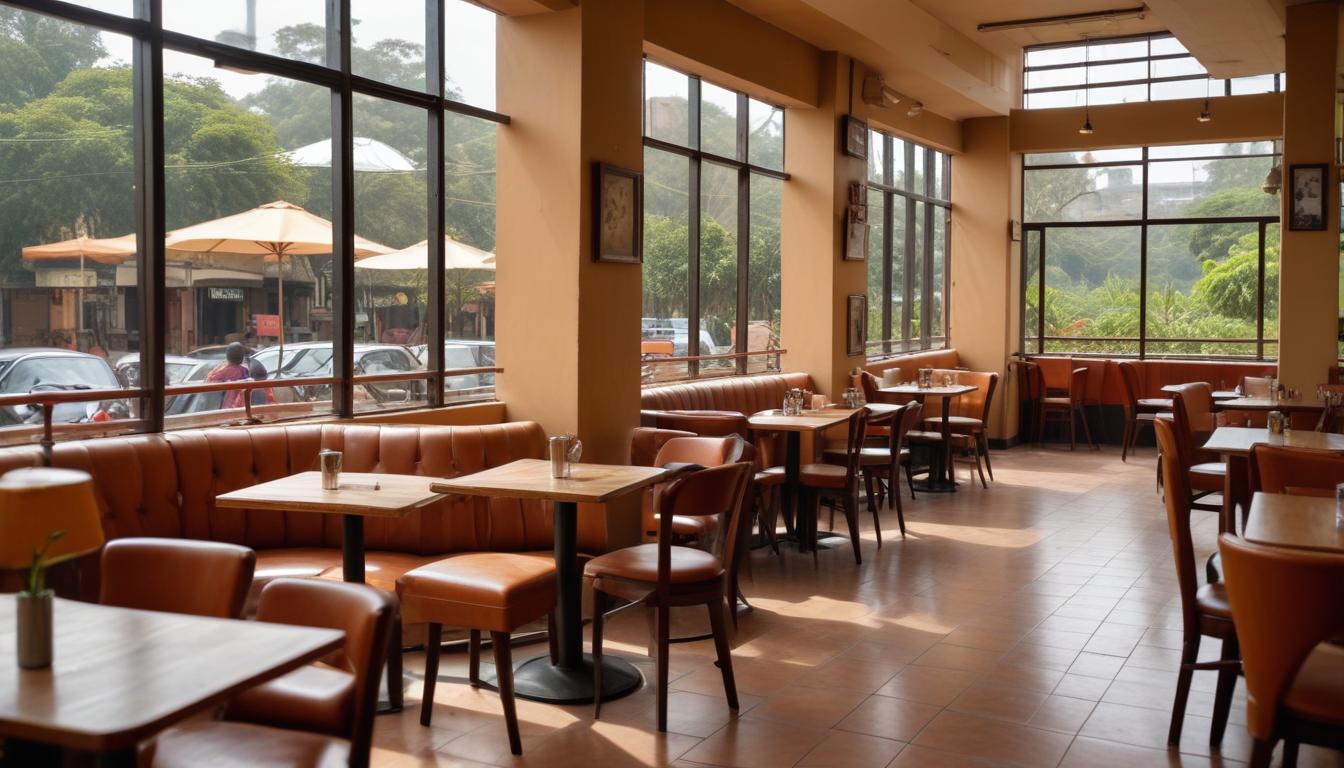
Parenting in Nairobi, 2026, is a story told in traffic jams and WhatsApp groups, in weekend tutoring sessions and midnight homework crises. It's told in the faces of guardians queuing at Westgate or Junction Mall before school holidays, hunting for uniforms and stationery. It's told in the conversations at Java House in Sarit Centre, where parents swap school recommendations like currency.
Yet beneath the familiar urban strain lies something distinctly Nairobian: a fierce, resourceful community determined to carve out space for childhood amid the chaos. Visit any playground in Spring Valley or Riverside, and you'll find networks of parents who've created informal support systems—shared drivers, group tutoring, bulk school supplies orders that shave hundreds off the monthly budget.
The diversity of Nairobi's parenting landscape is itself remarkable. In Eastleigh, families navigate schooling against economic headwinds, with many opting for affordable private schools or public institutions, creating tight-knit networks of mutual aid. In Lavington and Karen, the concerns shift toward international curricula and university placement, yet the underlying anxiety remains universal: Am I doing enough?
What stands out, walking through Nairobi's residential corridors, is the refusal to accept easy answers. Parents are questioning traditional approaches—exploring homeschooling cooperatives in Kilimani, advocating for mental health support in schools, demanding accountability from institutions charging premium fees. Online forums dedicated to Nairobi schooling hum with thousands of daily posts, from curriculum comparisons to recommendations for child psychologists.
The real story isn't found in statistics about school rankings or fee structures. It's in the single mother managing two jobs while her child attends Precious Talent in Kahawa Sukari. It's in the grandparent raising grandchildren in Kibera while navigating the informal education sector. It's in the families who've chosen smaller, community-based learning spaces over elite names.
Nairobi's parents aren't simply surviving school years; they're reimagining what childhood and education can look like in a city that demands everything and gives space for little. That's the real headline.
This article was compiled by AI from the sources linked above and screened before publishing. See our editorial standards.