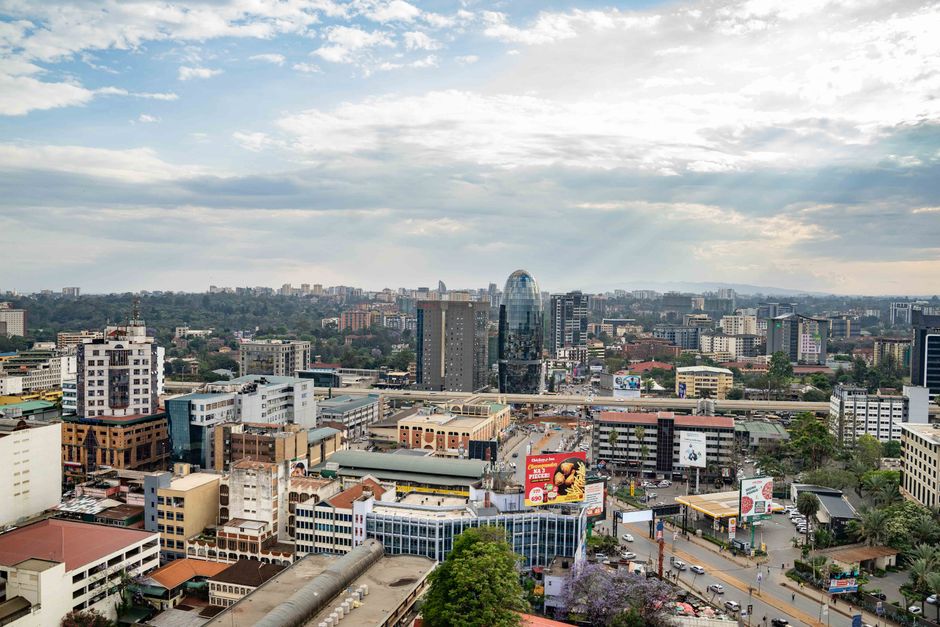
Why Nairobi's Expat Experience Stands Apart: A Relocation Guide to Africa's Most Dynamic City
From its thriving tech ecosystem to unmatched natural proximity, Nairobi offers newcomers a cosmopolitan lifestyle few cities worldwide can match.
From its thriving tech ecosystem to unmatched natural proximity, Nairobi offers newcomers a cosmopolitan lifestyle few cities worldwide can match.

Listen to this article · 3:52
For relocating professionals, Nairobi presents a paradox that few global cities can replicate: cosmopolitan sophistication meets raw African dynamism, all within a city that has quietly become one of the world's most important tech hubs outside Silicon Valley.
Unlike Singapore's carefully curated modernity or Dubai's artificial gleam, Nairobi's appeal lies in its authenticity. The city functions as East Africa's undisputed capital—a place where your career genuinely matters in shaping continental conversations around fintech, climate innovation, and digital infrastructure. The presence of tech giants like Google, Microsoft, and countless African unicorns across the Westlands and Upper Hill districts creates a professional ecosystem that rivals established global metros, yet with significantly lower cost barriers and genuinely ground-level impact opportunities.
The neighbourhood hierarchy here differs fundamentally from Western cities. While expats typically gravitate toward Westlands, Karen, or the newly vibrant Kilimani district, proximity to work matters less than access to community. A two-bedroom apartment in Karen—Nairobi's most coveted residential area—averages around 150,000-200,000 KES monthly (roughly $1,150-1,540 USD), a fraction of comparable London or Toronto neighbourhoods, yet with superior security infrastructure and garden space.
What genuinely distinguishes Nairobi is its geographical magic. Within two hours, you're in the Rift Valley's dramatic landscapes; within four, the Maasai Mara's wildlife awaits. No other major global business centre offers this natural proximity without sacrificing urban amenities. The city's restaurant scene—from Carnivore on Langata Road to the innovative dining along Kileleshwa—reflects genuine culinary diversity rather than imported Western templates.
The expat community itself feels different. Unlike established diaspora networks in London or New York, Nairobi's international residents actively shape the city's trajectory. Professional networks through organisations like the Nairobi Business Forum or British-East Africa chamber aren't just social; they're entrepreneurial ecosystems where newcomers quickly gain influence.
Security considerations are real and require local intelligence—something no relocation guide can fully prepare you for—but established expat enclaves maintain robust community systems. Learning basic Swahili accelerates integration more meaningfully here than language study elsewhere, signalling respect for the local context rather than mere tourism.
For professionals seeking career growth, cultural immersion, and authentic engagement with a truly emerging market, Nairobi offers something rare: the chance to build meaningful work while remaining geographically rooted in one of Africa's most consequential cities. That combination remains genuinely uncommon in today's global relocation landscape.
This article was compiled by AI and screened before publishing. See our editorial standards.
How does this story make you feel?
Spread the word
About this article
Published by The Daily Nairobi
Daily brief
Free, in your inbox before 7am. Weekdays.
More in lifestyle