Nairobi's Top 5 Neighborhoods: Rent Prices, Transport, Amenities Compared
From Westlands to Kilimani, here's the complete breakdown of rent, transport, amenities and neighbourhood character before you commit.
From Westlands to Kilimani, here's the complete breakdown of rent, transport, amenities and neighbourhood character before you commit.

Listen to this article · 4:05
Nairobi's residential landscape has shifted dramatically over the past three years. Young professionals and families are no longer defaulting to the same old postcodes, and neighbourhoods once considered peripheral are now thriving cultural hubs with their own distinct personalities—and price tags to match.
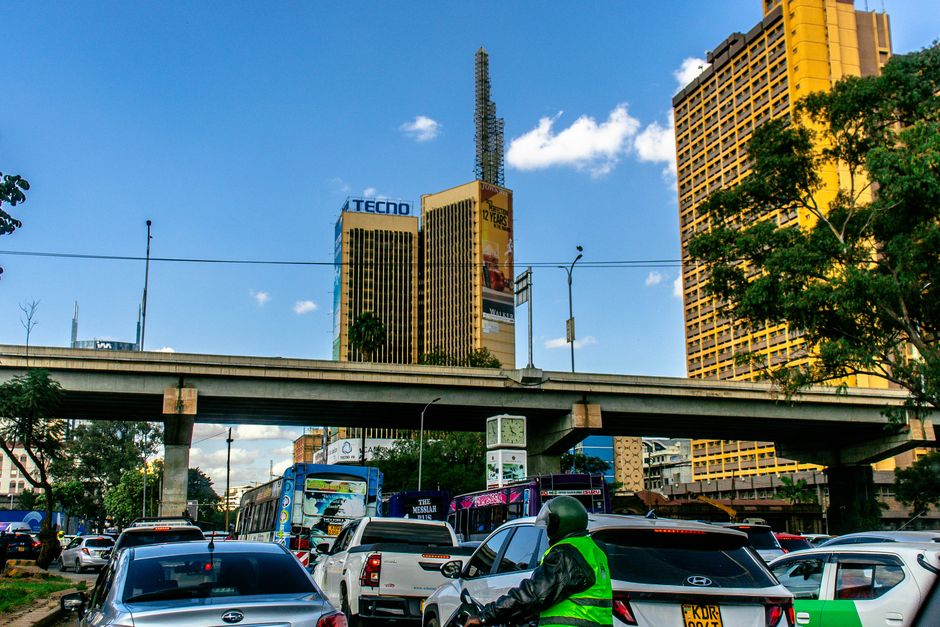
Let's start with the math. In Westlands, one-bedroom apartments now average between Sh80,000 and Sh120,000 monthly, with two-bedroom units hitting Sh150,000 to Sh220,000. It remains the go-to for those prioritising proximity to business districts around Upper Hill and the Nairobi CBD, though traffic on Limuru Road during peak hours can add an hour to your commute. The trade-off: world-class restaurants, reliable utilities and a genuinely mixed community. Most residents walk to shops along Westlands Avenue or catch rides via ride-hailing apps.
Kilimani presents an interesting middle ground. One-bedroom flats rent for Sh60,000 to Sh90,000, while two-bedroom units range from Sh100,000 to Sh160,000. The neighbourhood has exploded with cafés, co-working spaces and independent bookshops, particularly around Ngong Road. Public transport via matatu on Ngong Road is efficient and cheap—Sh50 to the CBD—though many residents opt for personal vehicles or ride-sharing given security considerations after dark.
For budget-conscious professionals, Eastleigh and Pangani offer surprising value. One-bedroom apartments start at Sh30,000 to Sh50,000 monthly. These areas host vibrant informal economies, excellent street food scenes, and genuine neighbourhood character. However, access to formal leisure amenities, reliable internet and secure parking requires research. The Nairobi County government has been improving road infrastructure here, making them increasingly accessible via matatu routes.
Accessibility matters equally. Neighbourhoods along the Nairobi Commuter Rail corridor—like Kikuyu, Kahawa and Juja—offer cheaper housing (Sh25,000 to Sh60,000 for one-bedroom) but demand significant time investment; trains run predictably but infrequently. Conversely, areas near the Southern Bypass like Nyayo Estate offer moderate pricing (Sh45,000 to Sh85,000) with reasonable matatu access to multiple city corridors.
Before committing, visit prospective neighbourhoods at different times: weekend mornings reveal community vibe, weekday evenings show transport realities, and nights expose security dynamics. Talk to residents at local matatu stations or in neighbourhood WhatsApp groups—these offer unfiltered insights about water supply reliability, garbage collection and neighbourhood safety patterns that online listings won't reveal.
The cost-access equation ultimately depends on your priorities: premium amenities with commute pain, or neighbourhood authenticity with infrastructure uncertainty. Nairobi rewards those who do their homework.
This article was compiled by AI and screened before publishing. See our editorial standards.
How does this story make you feel?
Spread the word
About this article
Published by The Daily Nairobi
Daily brief
Free, in your inbox before 7am. Weekdays.
More in lifestyle