lifestyle
Nairobi Arboretum: Trees, History and a Green City Walk
Kenya Forest Service describes Nairobi Arboretum as a 30.4-hectare protected forest reserve three kilometres from the city centre.
Listen in English · 3 min
How we reported this
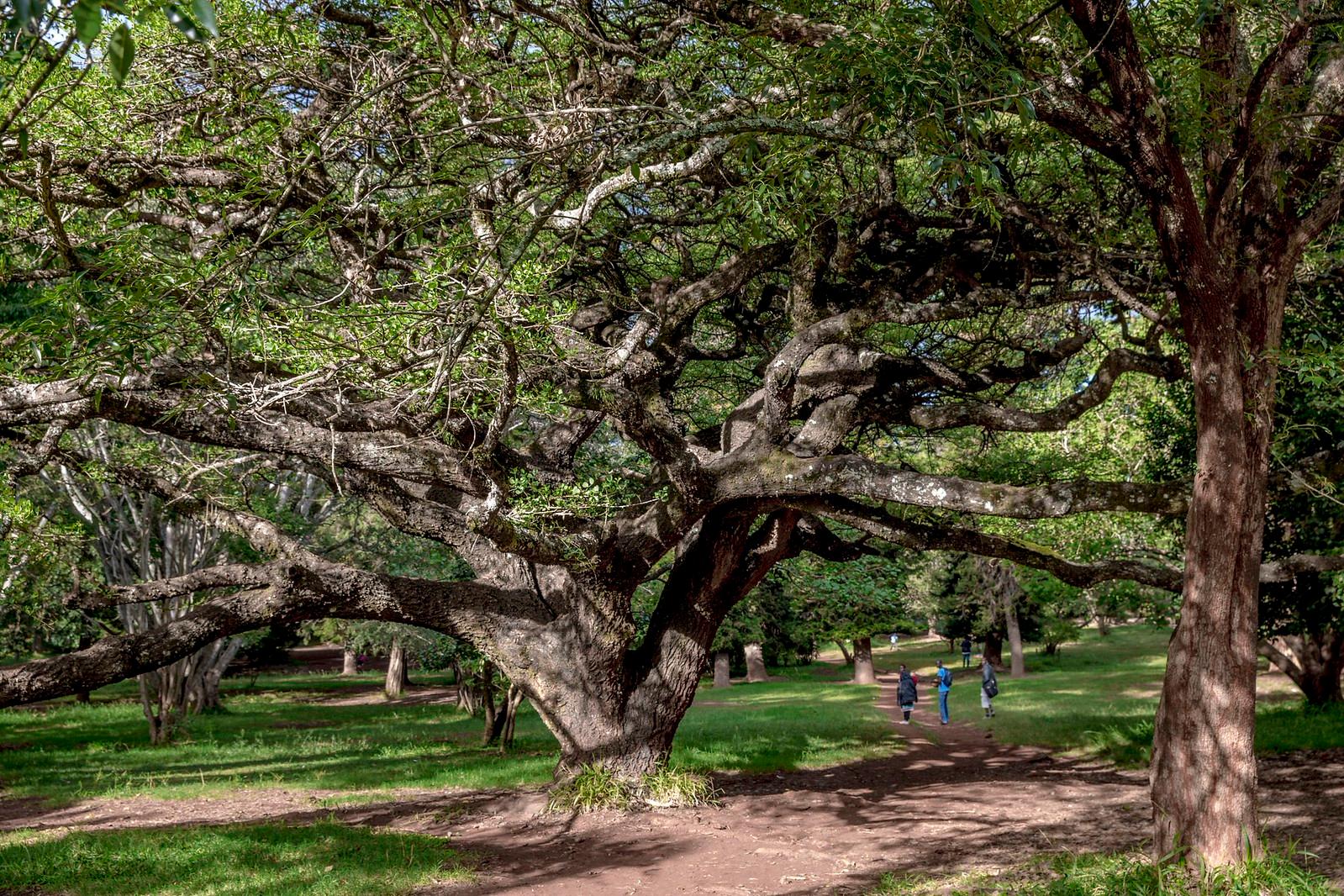
Nairobi Arboretum is a green space close to the city centre and managed within Kenya’s public-forest system. Kenya Forest Service says the Arboretum occupies 30.4 hectares and is situated three kilometres from the centre. It is therefore an accessible place to spend time among trees while learning how forestry shaped the city.
Why the Arboretum was established
The Kenya Forest Service account says the Arboretum was established in 1907 by Mr Battiscombe, then Deputy Conservator of Forests, mainly as a site for trials of exotic tree species. Foresters had become concerned that indigenous trees relied on by the railway were being depleted faster than they could regenerate.
The same history explains why the site matters beyond recreation. A public arboretum can act as living infrastructure: it preserves plant collections, supports learning and gives residents a place to encounter trees that would otherwise be easy to miss in an expanding city. That is why the 30.4-hectare space still has relevance today.
From station to protected reserve
Kenya Forest Service says Nairobi Arboretum Forest Station was gazetted as a protected forest reserve in 1932 and is managed by KFS. The official page also says the Arboretum hosts more than 300 species of exotic and indigenous trees. Those details are useful for visitors because they explain why the space contains such variety.
The site also fits Nairobi’s wider need for accessible urban nature. Because it sits close to the centre, it can work as a short walk, a lunch break or a weekend reset. The important thing is to move through it slowly enough to notice the different species and the forestry story behind them.
How to plan the visit
Check the Kenya Forest Service website for current access information, fees and visitor guidance. The site includes links to its ecotourism information and a code of conduct for visitors. Plan to stay on permitted paths, avoid damaging plants and leave the Arboretum clean.
- The relationship between the Arboretum and railway-era forestry concerns.
- The mixture of exotic and indigenous plant species.
- The distance from Nairobi’s centre and the contrast with surrounding development.
- The role of a protected reserve in an urban setting.
Nairobi Arboretum is a quiet history lesson as much as a place for a walk. Its trees reflect the work of Kenya’s forestry institutions and the continuing need to protect green spaces within a growing city.