lifestyle
Nairobi National Park: A Practical Guide to a Wildlife Day Near the City
A grounded guide to using Kenya Wildlife Service information when planning a low-impact visit to Nairobi National Park.
Listen in English · 3 min
How we reported this
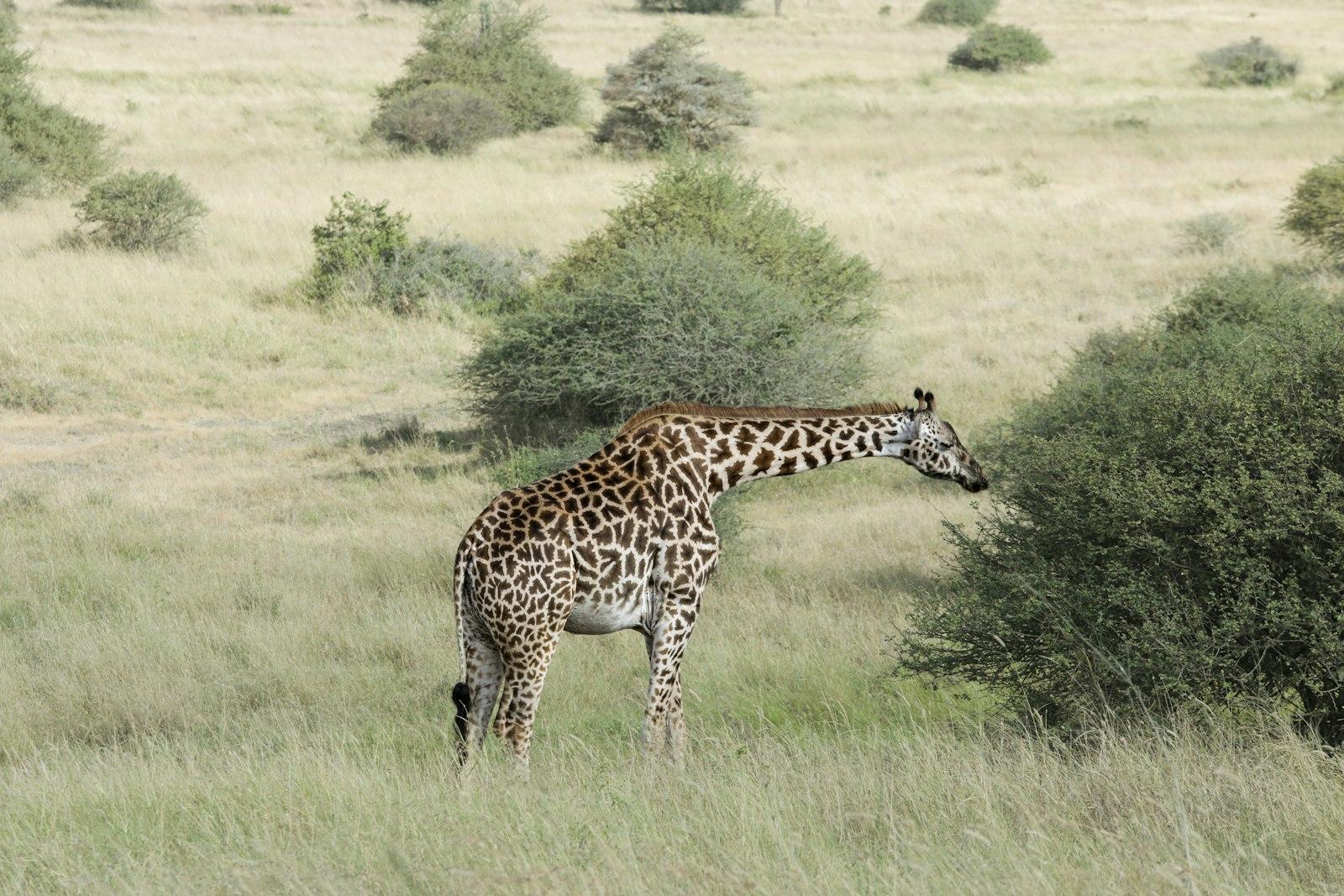
Nairobi National Park offers a wildlife outing without requiring a long journey away from the capital. The Kenya Wildlife Service describes the park as part of its protected-area network and publishes the visitor rules, contacts and entry information that should shape any visit. Because conditions, access arrangements and charges can change, check the Kenya Wildlife Service website before leaving.
Start with the official information
The Kenya Wildlife Service park page is the best starting point for a visit. It provides the current visitor guidance and links to the official payment route. Rather than relying on an old social-media post or an informal list of charges, use the official page to check the current position and any requirements for the day you plan to travel.
Wildlife viewing rules
KWS asks visitors to remain in their vehicles except in designated areas, keep doors closed and stay on established roads and trails. Off-road driving is prohibited. The published rules also say that visitors should observe a maximum speed of 40 km/h and view wildlife from a minimum distance of 20 metres. These are not optional suggestions: they protect visitors, other vehicles and the animals being watched.
Feeding wildlife is prohibited because it can disrupt animals’ diets and create dependency. Visitors are also asked to carry out their rubbish. The practical lesson is simple: bring what you need, keep the vehicle tidy and leave the park as you found it.
Plan a respectful day
A useful Nairobi National Park plan is deliberately unhurried. Read the current KWS information, confirm the route and payment instructions, allow time for traffic, and keep the vehicle on the designated network once inside. Wildlife sightings are never guaranteed, so the value of the outing is the protected landscape as well as any animals seen along the way.
Keep the KWS contacts saved in case you need assistance. The official page lists a customer-service hotline, a toll-free number, WhatsApp contact and an email address. Check those details directly before travelling, since contact information can be updated.
What to take
- Drinking water and any food you need for the day.
- A charged phone and the current KWS contact details.
- Binoculars or a camera, used without disturbing wildlife.
- Clothing suitable for sitting in a vehicle and changing weather.
Nairobi National Park works best as a low-impact day out: follow the rules, keep a safe distance, avoid feeding animals and use current information from Kenya Wildlife Service rather than assumptions.