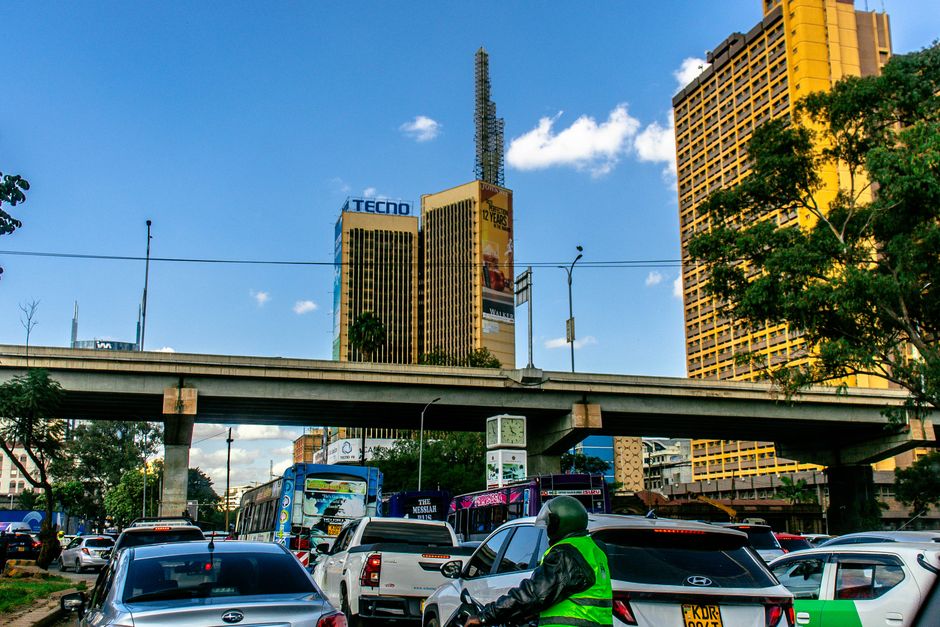
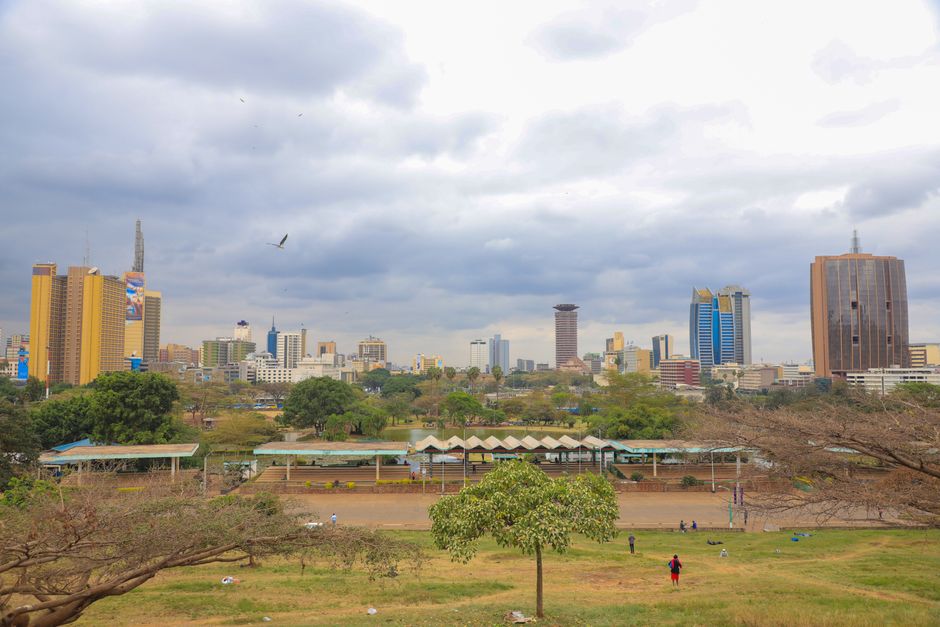
In 2016, a journey from Westlands to the Central Business District during rush hour could consume ninety minutes across just four kilometres. Matatus jostled with private vehicles on streets designed for a city half Nairobi's size. The Nairobi Metropolitan Area was home to nearly 5 million people, yet its transport skeleton remained frozen in the early 2000s. That congestion wasn't merely an inconvenience—it cost the economy an estimated 2% of GDP annually in lost productivity and fuel inefficiency.
The breaking point arrived quietly, documented in countless commuter complaints on social media and boardroom discussions at the Kenya Private Sector Alliance. By 2018, the average Nairobian spent 8.5 hours per week stuck in traffic. Businesses relocated from the CBD to Westlands and beyond, fragmenting the city's commercial heart. The situation demanded intervention at a scale the city had never attempted.
What followed was a convergence of three critical factors. First, devolved government structures under the 2010 constitution gave Nairobi City County genuine planning authority—a power previous centralised administrations lacked. Second, China's Belt and Road Initiative provided financing mechanisms that made previously unthinkable projects suddenly viable. The Standard Gauge Railway, completed in 2017, demonstrated that mega-infrastructure could reach Nairobi, even if early operational challenges tempered enthusiasm.
Third, a new generation of urban planners recognised that Nairobi's problem wasn't simply roads—it was fragmented, uncoordinated investment. The Nairobi Metropolitan Area Integrated Development Master Plan, launched in 2018, represented the first comprehensive attempt to thread together bus rapid transit corridors, commuter rail expansion, and strategic road networks across county boundaries.
The result: the Southern Bypass expansion linking industrial areas to the port-bound corridor; the Northern Bypass upgrade creating genuine orbital capacity; and crucially, the operationalisation of the Bus Rapid Transit system along Thika Road, which by 2023 was moving 65,000 daily commuters—people who previously clogged regular traffic lanes.
Yet the journey revealed persistent tensions. Environmental concerns about the Nairobi Expressway's impact on green spaces sparked fierce debate. Land acquisition for the proposed commuter rail to Kisumu displaced informal communities. Coordination between the county and national government remained imperfect, with project timelines slipping repeatedly.
Today, as Nairobi prepares to host expanded transport infrastructure that would have seemed impossible a decade ago, the city's transformation offers a cautionary lesson: infrastructure revolutions aren't born from absent visions—they emerge when crisis, governance capacity, and financing align. The question now is whether implementation matches ambition.
This article was compiled by AI from the sources linked above and screened before publishing. See our editorial standards.