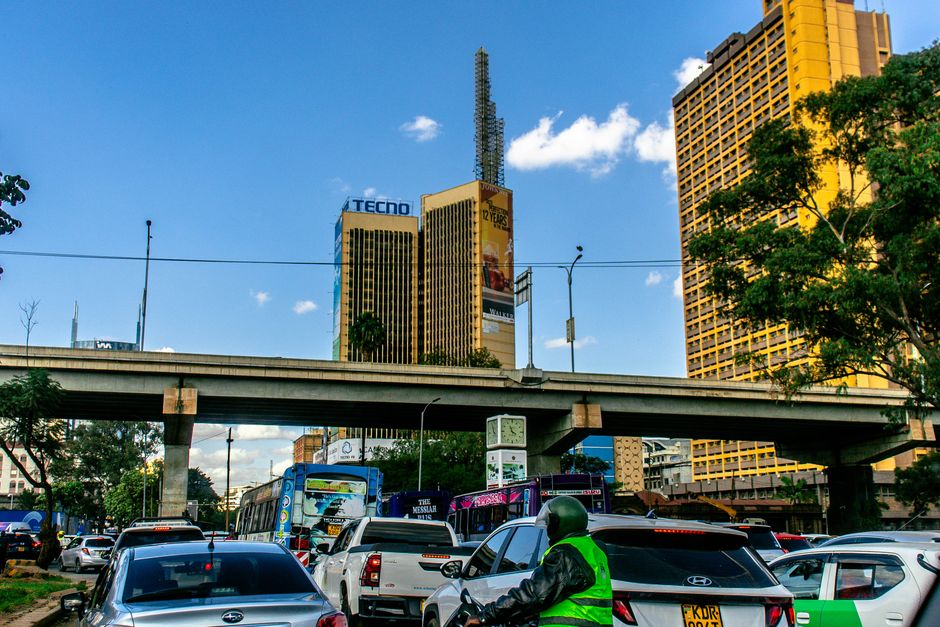
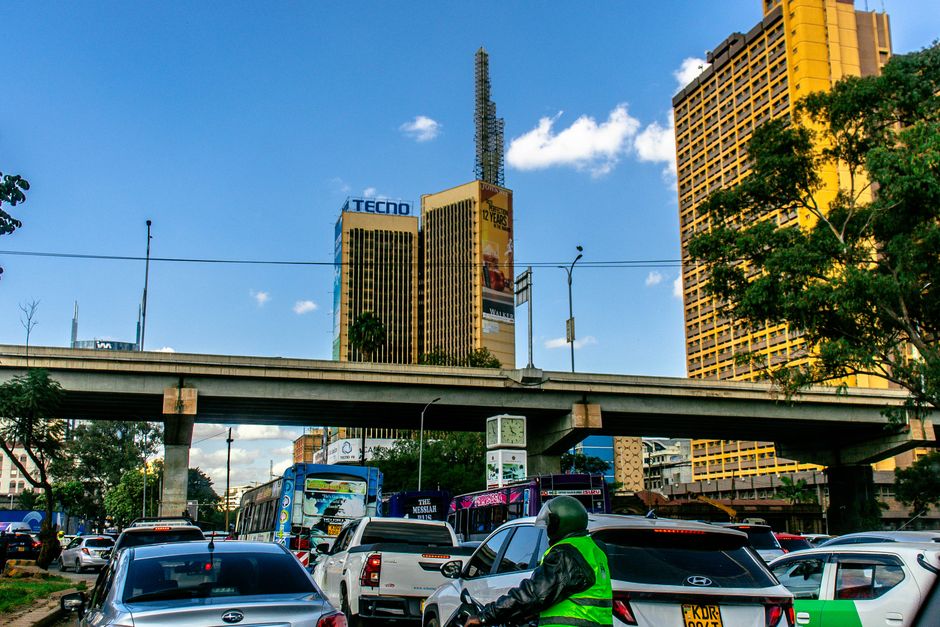
The coffee shop on Mama Ngina Street fills with its usual morning rush: Somali entrepreneurs reviewing shipping invoices, Ethiopian traders checking market prices, Pakistani accountants conducting Zoom calls. But beneath the hum of everyday commerce, a quieter anxiety has taken root in Nairobi's multicultural neighbourhoods.
Across the region, violent anti-foreigner protests have erupted in South Africa and other nations, forcing thousands to flee. While Nairobi has largely avoided such organised violence, the ripple effects are already visible—and residents across all communities should pay attention.
The city's estimated 800,000 foreign residents contribute roughly 12 percent of Nairobi's GDP, according to business sector analysis. From the Indian business community anchoring Eastleigh's commercial networks to West African traders operating from Industrial Area, from Somali remittance operators to Chinese manufacturing workers, these populations form essential threads in Nairobi's economic and social fabric.
"When confidence drops, investment follows," explains local economist observers. Already, business registrations in traditionally immigrant-heavy areas like Eastleigh and South C have shown signs of caution, with some entrepreneurs delaying expansion plans.
The community impact extends beyond economics. Schools like those in Westlands with substantial international enrolments face enrolment questions. Healthcare providers serving diverse populations report increased inquiries about relocation. The Kenya Red Cross and local NGOs operating in Nairobi have begun receiving calls from anxious families seeking security information.
For ordinary Nairobi residents—Kenyan-born and long-term immigrant alike—what happens in neighbouring countries should signal the importance of protecting the coexistence that has defined this city. The Nairobi that attracts talent, investment, and innovation is the Nairobi that welcomes people safely.
Local civil society organisations, religious leaders at institutions like the All Saints Cathedral, and business associations are quietly convening conversations about inclusive security and community cohesion. The Nairobi City County government has made public safety pledges, yet community-level vigilance remains essential.
The stakes are personal and practical: secure neighbourhoods, thriving businesses, schools that draw international families, hospitals attracting skilled workers. What happens across Africa's migration corridors doesn't stay there—it reverberates through every estate, every market, every office in Nairobi. Building active, visible solidarity today isn't charity; it's investing in the city's future stability and prosperity.
This article was compiled by AI and screened before publishing. See our editorial standards.