Nairobi Informal Settlements Need Better Planning: Officials Warn
Nairobi officials and housing experts warn rapid urbanisation in Kibera and Mathare demands urgent infrastructure investment, community governance, and policy reform.
Nairobi officials and housing experts warn rapid urbanisation in Kibera and Mathare demands urgent infrastructure investment, community governance, and policy reform.
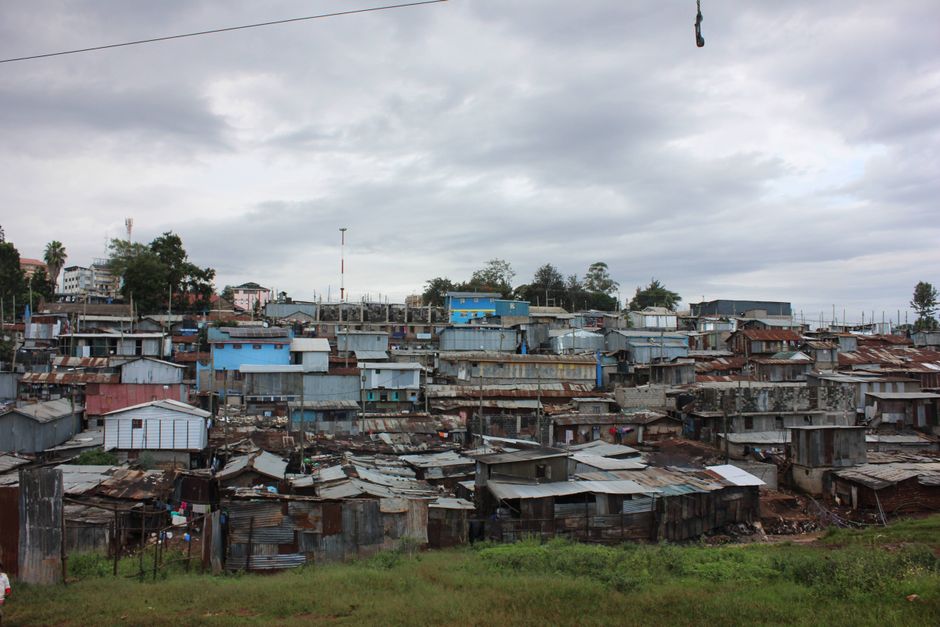
As Nairobi's population continues to swell—now exceeding 4.9 million residents—officials and urban planners are sounding the alarm about the city's capacity to support informal settlement residents without significant policy shifts and investment.
Speaking at a stakeholder forum last week in Westlands, representatives from the Nairobi City County highlighted the mounting pressure on water, sanitation, and waste management systems across densely populated neighbourhoods. Kibera, home to an estimated 250,000 people across just 2.4 square kilometres, remains among the most critical flashpoints, they noted.
"We cannot continue with ad-hoc interventions," said a senior official from the county's Informal Settlement Upgrade Directorate during a public briefing. "The communities themselves must be part of designing solutions." The directorate has been piloting participatory planning approaches in Mathare and sections of Mukuru, where residents work directly with engineers to map infrastructure needs.
Dr. Jane Wanjiru, an urban planning specialist at the University of Nairobi's School of the Built Environment, emphasised the economic burden on households. "Residents in informal areas spend between 15 to 20 per cent of their income on water alone," she explained, citing her team's research across five neighbourhoods. "Formal supply would reduce that significantly."
The Nairobi-based Centre for Spatial Development has also flagged governance gaps. In a recent report, researchers pointed to inconsistent bylaw enforcement and weak coordination between county departments as barriers to sustainable improvement. They recommended establishing neighbourhood-level committees with real budgetary authority.
Community leaders from Kawangware, another densely populated area on the city's western edge, have begun their own initiatives. Groups operating through venues like the Kawangware Social Hall have mapped local priorities—from drainage systems to youth vocational training centres—and presented these to county officials. "We know what we need better than anyone," said one resident representative.
The housing shortage remains acute. With rental costs for a single room in areas like Kangemi averaging 4,500 to 6,500 shillings monthly, many families have no choice but to remain in cramped, informal structures. Officials acknowledge that formal affordable housing remains limited; the Nairobi City County's recent housing survey found only 12,000 units added annually against an estimated demand for 200,000.
Experts stress that without coordinated action—combining infrastructure investment, inclusive planning, and livelihood support—Nairobi risks deepening inequality and service collapse. The coming months will test whether officials and communities can move from consultation to concrete change.
This article was compiled by AI and screened before publishing. See our editorial standards.
How does this story make you feel?
Spread the word
About this article
Published by The Daily Nairobi
Daily brief
Free, in your inbox before 7am. Weekdays.
More in News