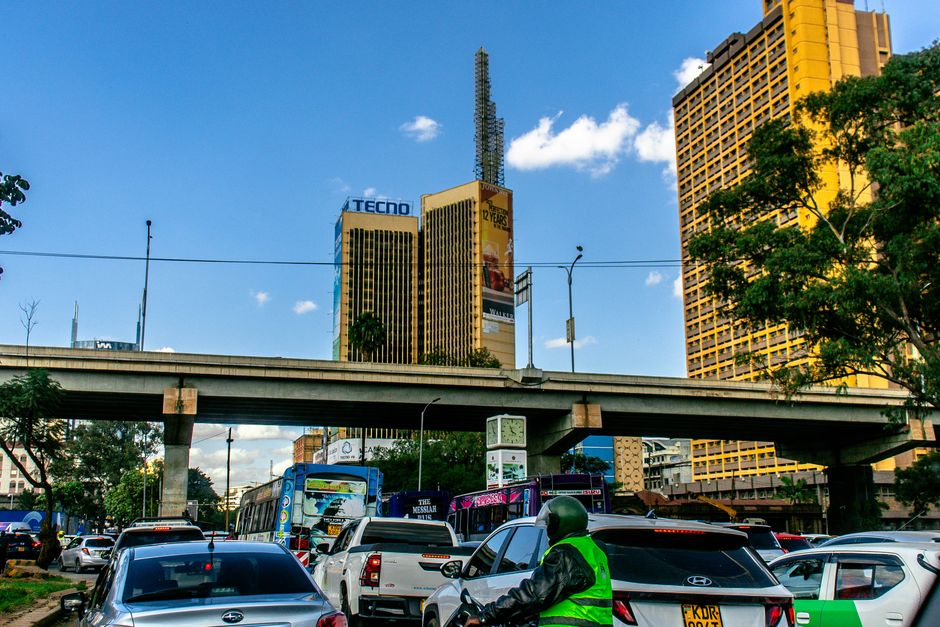
Nairobi's housing crisis has become the defining policy battleground of 2026, with officials and urban development experts locked in a contentious debate over whether the Capital County's new building codes and zoning restrictions will ease the city's shortage or worsen an already desperate situation.
The tension centres on proposals being debated at City Hall and the Urban Development Ministry offices in Nairobi's Upper Hill district. While some officials argue that stricter regulations on building heights and density in central business zones will preserve the city's character and prevent overcrowding, housing advocates warn these same measures could reduce the supply of affordable units and push low-income residents further into informal settlements on the city's periphery.
"The market has spoken," said one senior urban planner at a recent forum in Parklands, speaking on condition of anonymity. "Without relaxing density restrictions in areas like South B and Kilimani, we are pricing out an entire generation of middle-class Nairobians." Current data shows median apartment prices in these neighbourhoods have climbed by 28 percent in the past 18 months, with three-bedroom units now routinely fetching between Sh8 million and Sh12 million.
However, county administrators pushing the new zoning framework counter that uncontrolled development in Nairobi's established residential zones has strained infrastructure—from the water systems serving Eastleigh to the traffic congestion on Uhuru Highway. "We cannot build our way out of this crisis without planning," representatives from the Nairobi Metropolitan Services told journalists this week, emphasising the need for integrated transport and utilities planning alongside housing policy.
The disagreement extends to informal settlements. While some officials view regularisation programmes in areas like Kibera and Mathare as essential to inclusive urban development, others worry that formalising these neighbourhoods without adequate infrastructure investment will cement poverty rather than alleviate it. A housing rights organisation operating from offices near the University of Nairobi estimates that over 60 percent of Nairobi's residents live in informal housing, yet receive minimal attention in major policy discussions.
Real estate developers have largely stayed silent publicly, though industry sources suggest they are lobbying privately for faster approvals on mixed-income projects along the Nairobi-Kiambu corridor and in emerging areas like Ruai. Government officials have given no indication they plan to accelerate the approval process in the short term, leaving the city's fundamental supply-demand imbalance unresolved as the debate drags on.
This article was compiled by AI and screened before publishing. See our editorial standards.