Nairobi Officials Launch Ambitious Green Plan to Cut Emissions, Expand Parks
Senior government figures and environmental leaders outline ambitious plans to tackle waste management, green spaces, and emissions across East Africa's largest metropolis.
Senior government figures and environmental leaders outline ambitious plans to tackle waste management, green spaces, and emissions across East Africa's largest metropolis.

Listen to this article · 3:37
As Nairobi confronts mounting pressure from rapid urbanization and climate concerns, city planners and environmental experts are laying out a vision for transforming Africa's fourth-largest city into a continental sustainability hub—though implementation challenges loom large.
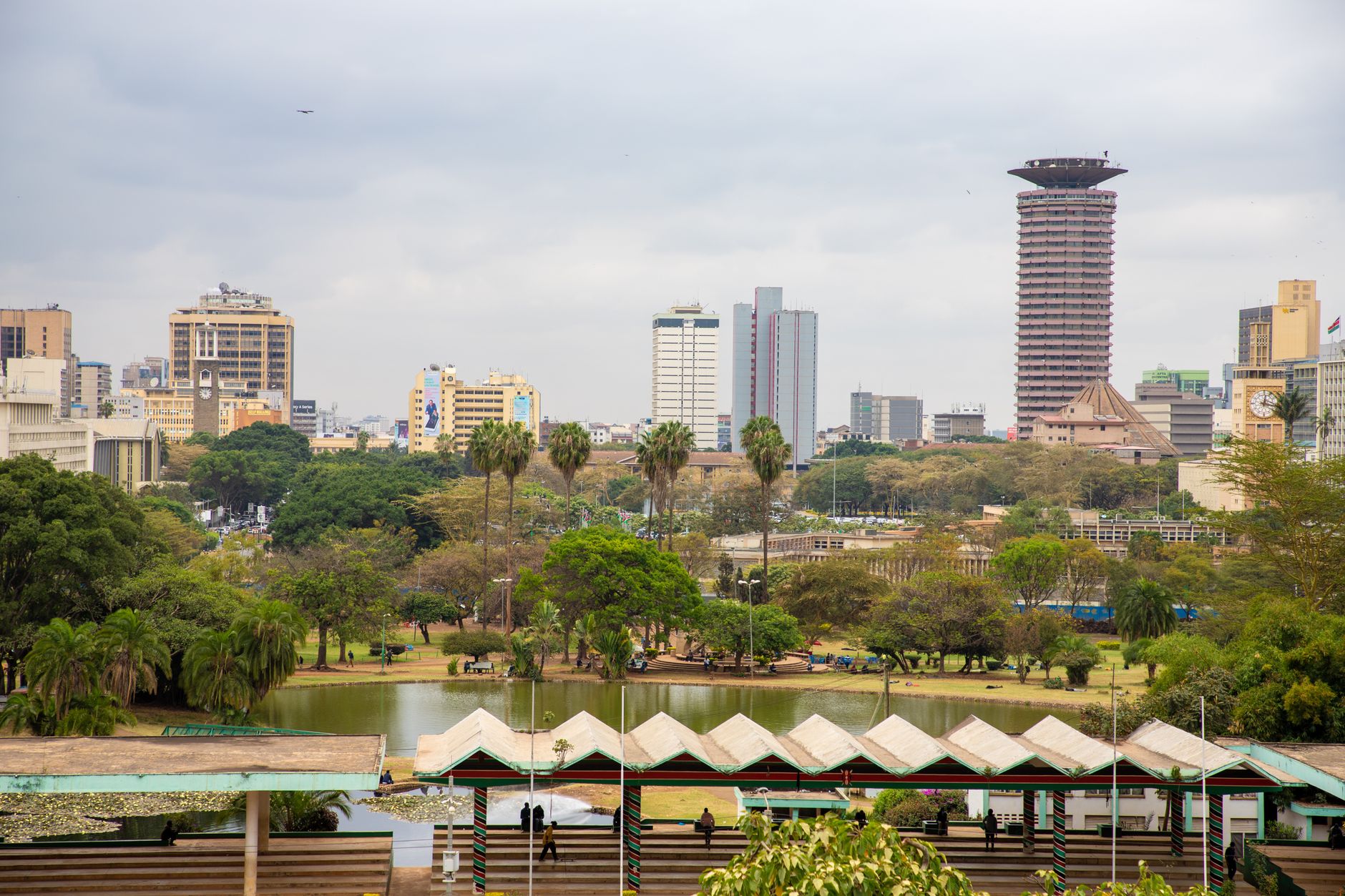
The County Government of Nairobi has pledged to increase green cover from its current 5.6 percent to 10 percent by 2030, according to statements from officials overseeing the Urban Forestry Programme. Key initiatives include planting 5 million trees across residential zones in Westlands, Parklands, and Karen, while rehabilitating the Nairobi River corridor—a critical environmental asset that has deteriorated significantly over the past two decades.
Dr. Jane Njihia, director of the Nairobi-based Centre for Environmental Justice, emphasized the urgency of waste management reform. "The city generates approximately 11,000 tonnes of solid waste daily, with only 60 percent reaching formal disposal sites," she stated in recent remarks. The remaining waste typically ends up in informal settlements like Kibera and Mathare, creating serious public health risks. Officials have signalled plans to establish three new recycling hubs across the metropolitan area, targeting a 40 percent reduction in landfill waste by 2029.
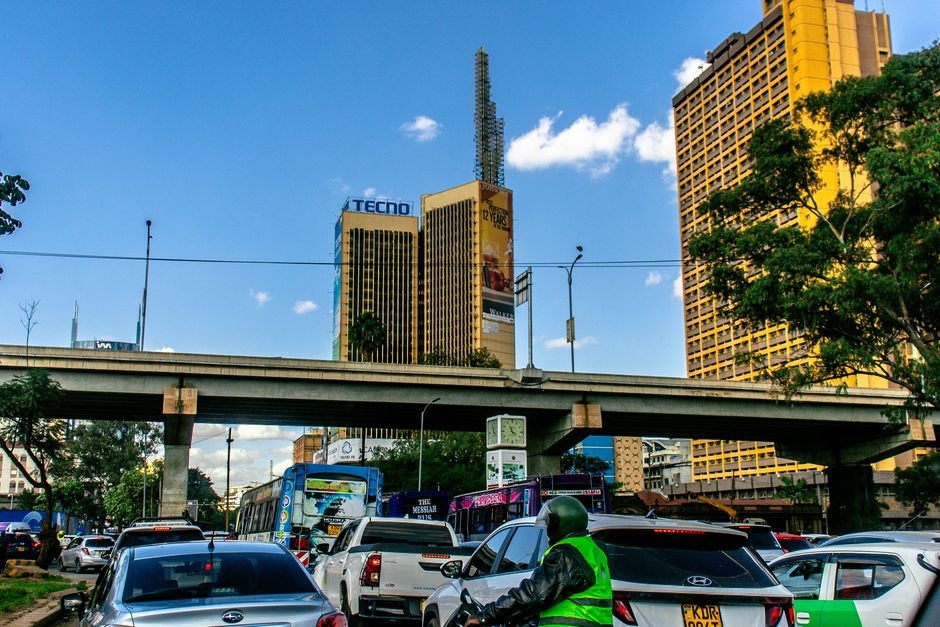
Transportation represents another critical focus. Transport planners have indicated that the ongoing Bus Rapid Transit system expansion along Thika Road and into Eastlands aims to reduce personal vehicle reliance and cut transport-related emissions by approximately 15 percent within five years. Stakeholders have also flagged the potential for expanded e-motorcycle and bicycle infrastructure, particularly in high-density neighbourhoods.
However, experts caution against over-optimism. Climate analyst James Kipkemboi noted that previous sustainability pledges in Nairobi have frequently stalled due to funding constraints and bureaucratic delays. "The commitment is there, but coordination between county departments and national government remains inconsistent," he observed.
Private sector engagement is viewed as essential. Major corporations operating from Nairobi's central business district have begun adopting carbon-neutral targets, with several committing to renewable energy procurement. The Kenya Green Building Council has certified 47 buildings across the city, demonstrating market appetite for sustainable construction standards.
Officials at the City Hall offices have also highlighted the role of community participation, launching neighbourhood environmental committees across areas including Lavington and Limuru to drive grassroots sustainability actions. Success will ultimately depend on whether these municipal initiatives can translate rhetoric into visible environmental outcomes across Nairobi's sprawling landscape.
This article was compiled by AI and screened before publishing. See our editorial standards.
How does this story make you feel?
Spread the word
About this article
Published by The Daily Nairobi
Daily brief
Free, in your inbox before 7am. Weekdays.
More in News