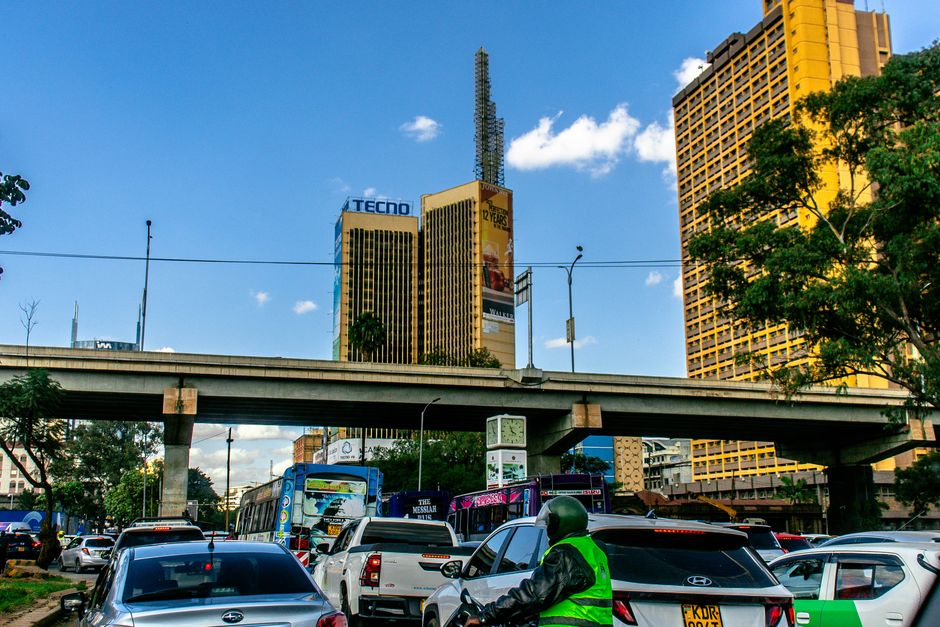
Nairobi's multicultural heartland faced fresh pressures this week as global migration crises reverberated through Westlands, Kilimani, and the bustling corridors of the Nairobi Central Business District. Community leaders and immigration advocates say the convergence of international instability—from Venezuelan humanitarian disasters to Middle Eastern military escalations—has triggered urgent conversations about Kenya's immigrant protection frameworks and economic security for foreign residents.
At the Nairobi Immigrant Advocacy Centre in Parklands, organisers reported a 34% spike in consultation requests between Monday and Wednesday, primarily from Latin American and Iranian nationals reassessing their residency plans. The centre's weekly briefing noted that concerns centred on visa renewal timelines, work permit validity, and access to banking services—issues exacerbated by global financial volatility linked to cryptocurrency market swings and currency fluctuations affecting remittance corridors.
"People are understandably anxious," explained one advocacy worker, requesting anonymity. "We're seeing families in Kilimani and Upper Hill recalculating their financial positions. When cryptocurrency volatility affects wealthy diaspora investors, it has downstream effects on small business communities here."
Data from Nairobi's Chamber of Commerce revealed that migrant-owned enterprises—concentrated in Nairobi West, Lavington, and around River Road's import-export zones—contribute approximately 12% to the city's informal and formal economy. This week, several chambers reported heightened member inquiries about alternative banking channels and investment hedging strategies amid global uncertainty.
The timing coincides with Kenya's review of its immigration policy framework, which immigration officials say will be tabled before Parliament by August. Current regulations governing work permits and residency visas remain largely unchanged since 2015, creating gaps in addressing contemporary migration patterns.
At the UN Habitat headquarters in Gigiri, representatives from international organisations working with migrant populations held emergency consultations Wednesday to assess support mechanisms. Sources indicated discussions focused on expanding legal aid access and streamlining documentation processes for vulnerable migrants—areas where Nairobi currently lags peer East African capitals.
Meanwhile, anti-migrant sentiment observed in neighbouring regions has not significantly materialised in Nairobi's public sphere, though community leaders say vigilance remains essential. The city's established multicultural identity—spanning decades of coexistence across neighbourhoods like Eastleigh, Parklands, and Karura—appears to buffer against polarisation, though economic pressures could test this resilience.
Immigration advocates have called on the Nairobi City County government to commission a comprehensive audit of migrant welfare services and workplace protections before the August policy review concludes, warning that inadequate frameworks risk driving vulnerable populations toward exploitative informal arrangements.
This article was compiled by AI and screened before publishing. See our editorial standards.