Nairobi Officials and Experts Weigh In on Duplicate Image Replacement
Key figures share their thoughts on the impact of duplicate image replacement on the city's digital landscape
Key figures share their thoughts on the impact of duplicate image replacement on the city's digital landscape
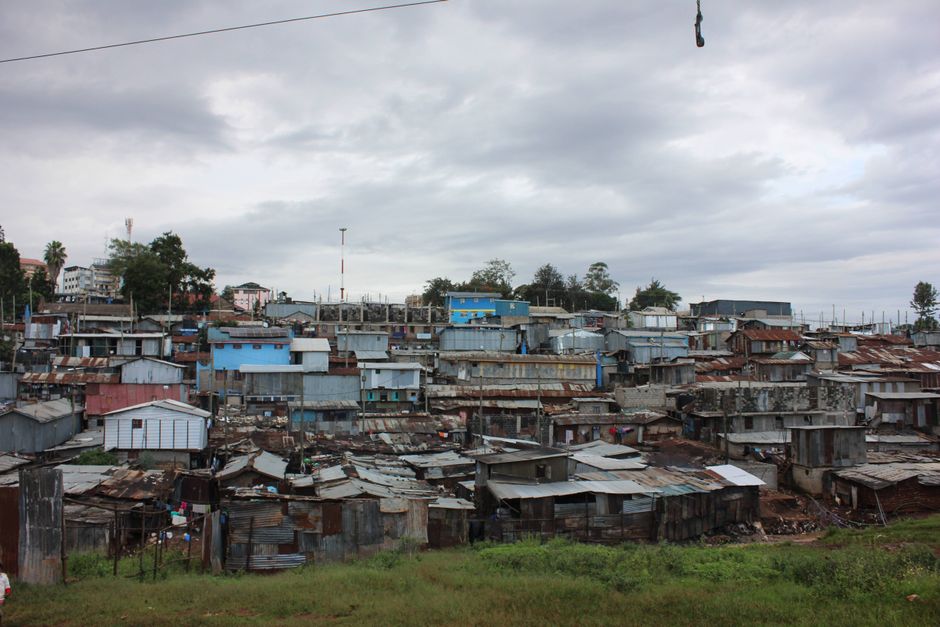
Nairobi's digital community is abuzz with the recent discussion on duplicate image replacement, a phenomenon where identical images are uploaded multiple times to various online platforms.
This issue matters now because it affects the city's growing tech industry, particularly in the Silicon Savannah, where startups and entrepreneurs rely on efficient digital systems to operate. With the William Ruto UDA government under fiscal pressure, any unnecessary strain on the digital infrastructure could have far-reaching consequences. The Gen Z protest movement and tax revolt legacy have also highlighted the need for prudent management of digital resources.
In Nairobi, specific areas such as Kilimani, Westlands, and the Nairobi Central Business District are hubs for tech companies and startups, including organisations like the iHub and the Nairobi Garage. These areas are also home to numerous coworking spaces, like the Nairobi Cowork and the Pawa54 Hub, which cater to the city's growing community of digital entrepreneurs. The Nairobi Metro commuter rail investment has also improved connectivity in these areas, making them more attractive to businesses and individuals alike.
According to data from the Kenya National Bureau of Statistics, the country's digital economy has been growing at a rate of 10% annually, with the ICT sector contributing around 4.5% to the GDP. A report by the Communications Authority of Kenya found that the number of internet users in the country increased by 12.5% in 2025, reaching a total of 22.8 million users. This growth underscores the importance of efficient digital systems, including the management of duplicate images. As of January 2026, the cost of internet data in Nairobi averaged KES 1,200 per month for a 10GB package, making it a significant expense for individuals and businesses.
Experts from organisations like the Kenya ICT Authority and the Nairobi-based tech firm, BRCK, have emphasized the need for better digital management practices to mitigate the effects of duplicate image replacement. They recommend implementing image compression algorithms and using content delivery networks to reduce the strain on digital infrastructure. The Kenya ICT Authority has also launched initiatives like the Digital Economy Strategy, which aims to promote the development of the digital economy and improve the country's digital infrastructure.
As the city moves forward, it is essential for officials, experts, and key figures to continue discussing and addressing the issue of duplicate image replacement. By implementing efficient digital management practices and investing in the city's digital infrastructure, Nairobi can maintain its position as a hub for tech and innovation in the region. The city's residents and businesses can also take practical steps, such as using image compression tools and being mindful of their internet data usage, to contribute to a more efficient digital ecosystem. With the right strategies and practices in place, Nairobi can continue to thrive as a major player in the global digital landscape.
How does this story make you feel?
Spread the word
About this article
Published by The Daily Nairobi
Daily brief
Free, in your inbox before 7am. Weekdays.
More in News