Nairobi's Land Registry Crisis: What Happens Next and the Key Decisions Ahead
Duplicate title images are clogging property transactions across the city — and the government's next moves will determine whether the mess gets fixed or deepens.
Duplicate title images are clogging property transactions across the city — and the government's next moves will determine whether the mess gets fixed or deepens.
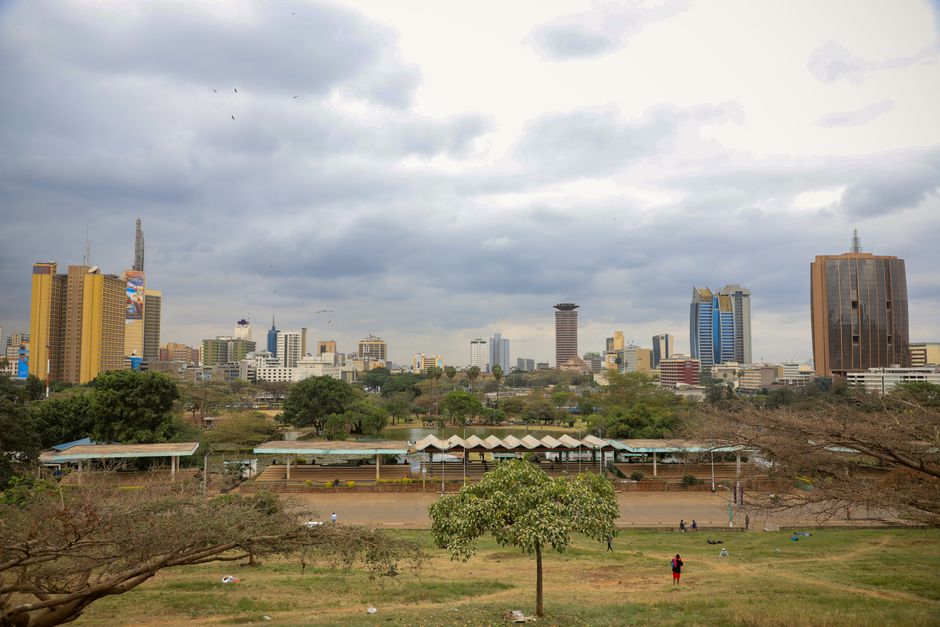
Kenya's land administration system is sitting on a ticking problem. Thousands of properties across Nairobi carry duplicate title deed images in the national registry — scanned records that were filed more than once, sometimes under different parcel numbers, sometimes with conflicting ownership details. The National Land Commission confirmed earlier this year that a digital migration exercise, which began in 2021 under the National Titling Centre, produced a significant number of redundant image entries that have never been formally purged.
The timing matters. The Ruto administration is under IMF-backed pressure to shore up revenues and broaden the tax base — and property remains one of the most under-taxed asset classes in Kenya. The Kenya Revenue Authority's Land Rental Income compliance drive, which targeted Nairobi landlords from Westlands to Embakasi, cannot function cleanly if the underlying registry data is compromised. Duplicate images mean duplicate uncertainty: banks will not lend against titles they cannot verify, buyers stall, and the informal economy fills the gap.
The problem is most acute in two zones. In Eastlands — particularly Kayole and Komarock, where the Nairobi Metropolitan Services ran a plot regularisation programme between 2019 and 2023 — legacy paper records were scanned in batches by different contractors at different resolutions. Some parcels ended up with three or four image files in the system, each slightly different. Along Ngong Road, where rapid commercial redevelopment has driven a surge of title transfers since 2022, conveyancing lawyers at firms operating out of Upper Hill report that title searches at the Ardhi House registry office on Community Hill sometimes return conflicting results for the same parcel reference.
The Kenya Bankers Association has noted, without attaching a precise figure, that title verification delays are among the top three reasons mortgage applications stall before disbursement. The average mortgage processing time in Kenya stood at 47 days as of the Central Bank of Kenya's 2024 financial stability report — roughly double the regional benchmark for comparable markets. A clean registry would shave that figure considerably.
The Ministry of Lands sits at the centre of the decision matrix. Three calls are due in the coming months. First, the ministry must decide whether to run a full image deduplication exercise in-house using the existing Ardhisasa platform — Kenya's digital land management system launched in 2021 — or to contract an external technology firm. A procurement notice for technical services was expected in the first quarter of 2026 but has not yet appeared on the Public Procurement Regulatory Authority portal.
Second, Parliament's Committee on Lands must determine what legal weight to give to the cleaned registry once the deduplication is done. Without a gazette notice or a statutory amendment, any corrected record could be challenged in court by a party holding a physical title that predates the digital version. Nairobi's courts already carry a backlog of land disputes estimated in the tens of thousands of cases — a figure the Environment and Land Court has cited in previous annual reports.
Third, and most politically sensitive, is who pays for the exercise. The National Land Commission's annual budget allocation for the current fiscal year ending June 2027 is under pressure from Treasury's austerity targets. The Gen Z protest movement that shook Nairobi in mid-2024 was partly animated by frustration at public money disappearing into opaque government IT projects. Any fresh technology contract tied to Ardhisasa will face scrutiny.
Property owners with pending transfers should file a formal title search at Ardhi House on Community Hill and request a full parcel history printout — not just the current folio. Conveyancers advise requesting the search twice, at least seven days apart, to see whether results are consistent. If they differ, the discrepancy should be flagged in writing to the National Land Commission's Nairobi office on Lenana Road before completing any transaction. The window to shape this process is narrow. The decisions made at the ministry and in Parliament over the next six months will set the terms of Nairobi's property market — and its tax base — for a generation.
How does this story make you feel?
Spread the word
About this article
Published by The Daily Nairobi
Daily brief
Free, in your inbox before 7am. Weekdays.
More in News