Nairobi's Duplicate Image Replacement: What Happens Next and the Key Decisions Ahead
As the city's tech scene continues to grow, duplicate image replacement poses a significant challenge for local businesses and residents
As the city's tech scene continues to grow, duplicate image replacement poses a significant challenge for local businesses and residents
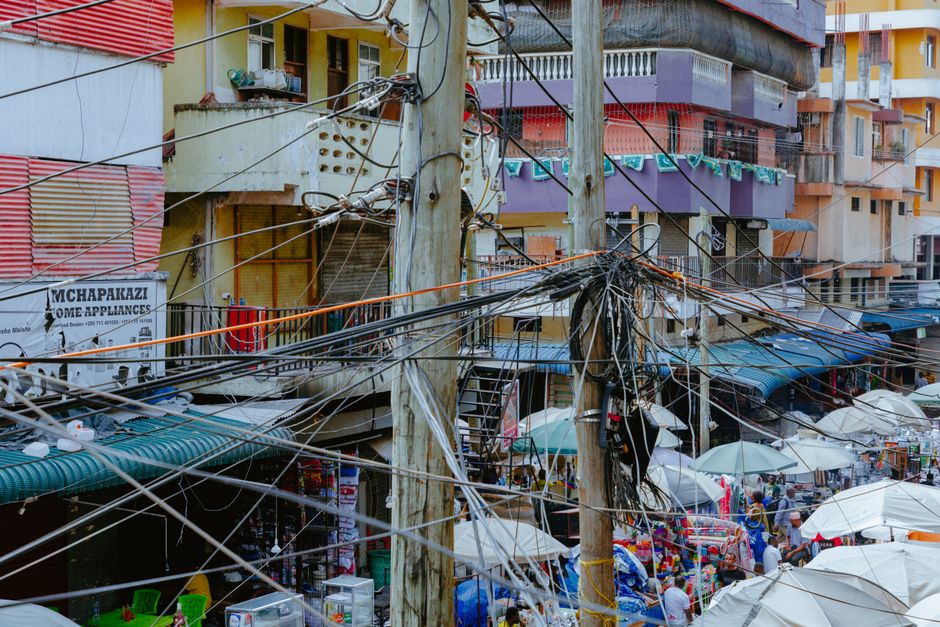
Nairobi's Silicon Savannah is facing a new challenge: duplicate image replacement. This issue has been affecting local businesses and residents, particularly in areas with high foot traffic such as Moi Avenue and Kimathi Street.
The duplicate image replacement issue matters now because it affects the city's ability to effectively manage its digital identity. With the growing number of startups and tech companies in the city, it is essential to address this issue to maintain Nairobi's reputation as a hub for innovation and technology. The city's informal settlement upgrading program, which aims to improve living conditions in areas such as Kibera and Mathare, is also being impacted by this issue.
In Nairobi, duplicate image replacement is being felt in various neighborhoods, including Westlands and Kilimani. The Nairobi Metro commuter rail investment, which aims to improve transportation in the city, is also being affected by this issue. Organisations such as the Kenya National Chamber of Commerce and Industry and the Nairobi City County Government are working together to address the duplicate image replacement challenge. For example, the Kenya National Chamber of Commerce and Industry has launched an initiative to provide training and support to local businesses affected by this issue.
According to data from the Kenya National Bureau of Statistics, the number of startups in Nairobi has increased by 25% in the past year, with many of these startups operating in the tech sector. The cost of addressing duplicate image replacement can be significant, with some estimates suggesting that it can cost up to KES 100,000 (approximately USD 850) per incident. As of June 2026, the Nairobi City County Government has reported 500 incidents of duplicate image replacement, resulting in a total cost of KES 50 million (approximately USD 425,000).
As the city moves forward, it is essential to make key decisions about how to address the duplicate image replacement issue. This includes investing in digital infrastructure, providing training and support to local businesses, and implementing policies to prevent and mitigate the effects of duplicate image replacement. Residents and businesses can take practical steps to protect themselves, such as regularly updating their software and being cautious when clicking on links or downloading attachments from unknown sources. By working together, Nairobi can overcome the challenge of duplicate image replacement and continue to grow and thrive as a hub for technology and innovation.
How does this story make you feel?
Spread the word
About this article
Published by The Daily Nairobi
Daily brief
Free, in your inbox before 7am. Weekdays.
More in News