news
Fraudsters Cost Nairobi Residents Millions in Fake Land Document Scams
A surge in duplicate and doctored title deed images is costing ordinary Nairobians their life savings, and the problem is getting worse.
How we reported this
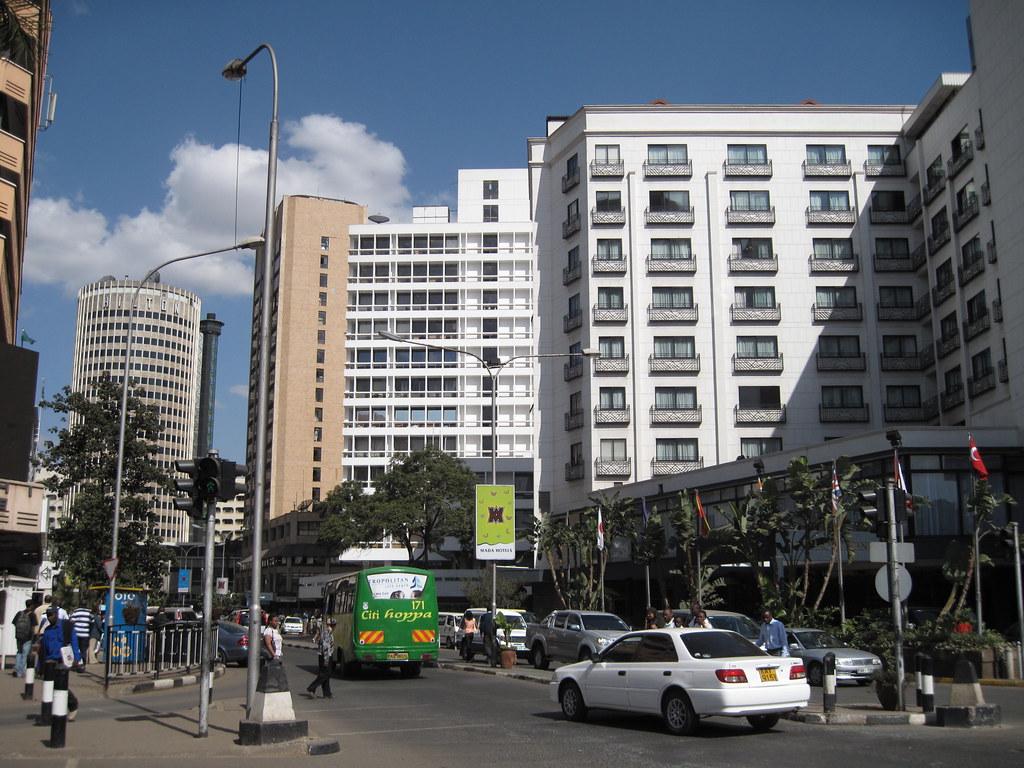
Nairobi's land registry offices processed thousands of title deed verification requests in the first half of 2026, yet fraudsters are still managing to circulate near-perfect digital copies of legitimate property documents across WhatsApp groups, Facebook Marketplace listings, and low-cost property portals targeting buyers in Eastlands and the Westlands corridor. The scam is old. The technology enabling it is new.
The specific fraud, duplicate image replacement, where a genuine scanned title deed has its parcel number, owner name, or map reference digitally swapped before being reshared as a clean PDF, has escalated sharply since affordable image-editing tools became widely available on smartphones. For a city where an estimated 60 percent of residents either rent informally or are actively trying to buy land, the stakes could not be higher.
Why Nairobi Is Particularly Exposed Right Now
Three pressures are converging at once. The Ruto government's IMF-backed austerity programme has squeezed middle-income households hard since 2023, pushing more buyers away from formal real estate agents, whose commission fees many can no longer afford, toward peer-to-peer listings where document verification is minimal. At the same time, the ongoing informal settlement upgrading programme in areas like Mukuru kwa Njenga and Mathare has created genuine confusion about which parcels carry legitimate title, making it easier for fraudsters to pass off fabricated documents as recently regularised land.
The third pressure is digital. Silicon Savannah's boom has put high-quality smartphone cameras and editing applications in the hands of nearly every adult in Nairobi, while the Kenya Revenue Authority's push toward digital land transaction records, part of the broader e-citizen platform rollout, has meant that more people now expect to receive property documents electronically, lowering suspicion when a title deed arrives as a JPEG or PDF attachment.
The Ministry of Lands office on Community Hill in Upper Hill remains the official point of verification for Nairobi County title deeds. Staff there can cross-reference a document against the physical register. Yet the office typically operates Monday to Friday, 8 a.m. to 5 p.m. only, and queue times during peak months routinely stretch beyond three hours. Many buyers, particularly those purchasing plots in satellite towns like Ruiru or Athi River under time pressure from sellers, skip the step entirely.
What the Fraud Looks Like on the Ground
The pattern is consistent. A buyer in, say, Kayole or South B sees a plot advertised on a Facebook group at a price roughly 20 to 30 percent below the going rate for the area. The seller sends over a scanned title deed that looks legitimate, correct typography, an identifiable LR number, a plausible map reference. What has been altered is often a single data field: the registered owner's name swapped to match a fake identity card the fraudster holds. By the time a buyer attempts to transfer the title at the Ardhi House registry on Ngong Road, the mismatch surfaces, and the deposit money, typically between Ksh 50,000 and Ksh 500,000, is long gone.
Kenya's Land Registration Act, which was substantially amended in 2012, does provide a framework for compensation through the Land Compensation Fund, but access is slow and awareness among low-income buyers remains limited. The National Land Commission, headquartered in Nairobi, has the mandate to investigate such fraud but has historically been under-resourced for enforcement work at the individual transaction level.
Nairobi-based legal aid organisations, including the Kituo cha Sheria office on Ralph Bunche Road in Upperhill, have flagged a rise in clients presenting duplicate-image title deed cases since early 2025, though firm annual totals have not been published publicly.
The practical advice for any buyer right now is straightforward: before paying any deposit, physically visit the Ministry of Lands' official search desk at Ardhi House with a copy of the title deed number and request a formal official search, which costs Ksh 500 and returns results within two to three working days. Cross-check the LR number against the parcel map. If a seller refuses to wait for that search result, that refusal is itself the warning sign.