Nairobi's Duplicate Image Replacement: What Happens Next and the Key Decisions Ahead
As the city's tech scene continues to grow, duplicate image replacement poses a significant challenge for local businesses and residents
As the city's tech scene continues to grow, duplicate image replacement poses a significant challenge for local businesses and residents

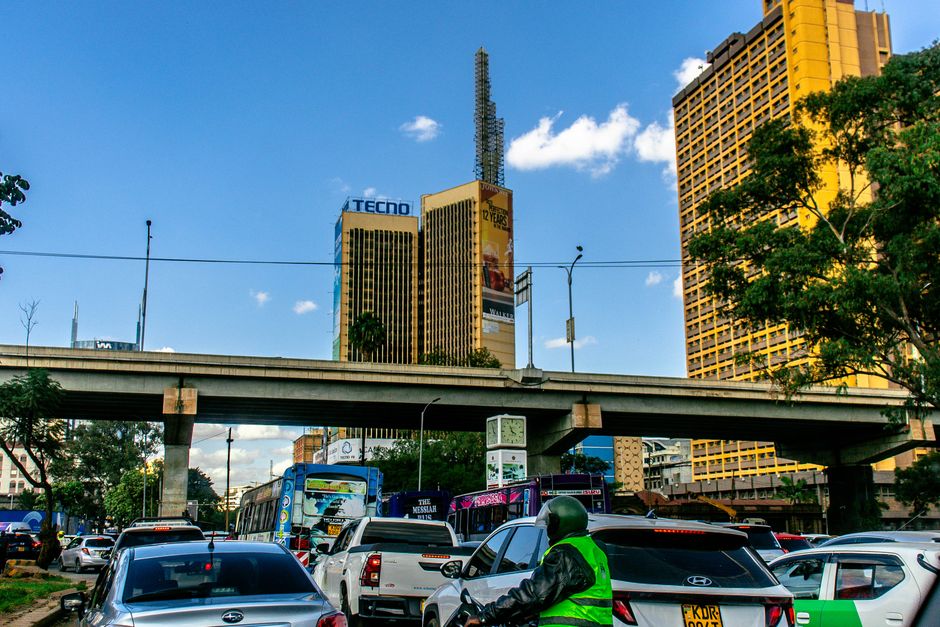
Nairobi's Silicon Savannah is facing a new challenge: duplicate image replacement. This issue has been affecting local businesses and residents, particularly in areas with high foot traffic such as Moi Avenue and Kimathi Street.
The duplicate image replacement issue matters now because it affects the city's ability to effectively manage its digital identity. With the growing number of startups and tech companies in the city, it is essential to address this issue to maintain Nairobi's reputation as a hub for innovation and technology. The city's Gen Z protest movement and tax revolt legacy have also highlighted the need for effective digital management, and duplicate image replacement is a critical aspect of this.
In Nairobi, duplicate image replacement is a significant problem in areas such as the Central Business District, Westlands, and Kilimani. Organisations such as the Nairobi Metropolitan Services and the Kenya National Chamber of Commerce and Industry are working to address this issue. For example, the Nairobi Metro commuter rail investment has included measures to reduce duplicate image replacement, such as the use of unique digital identifiers for each station. Additionally, programs such as the Informal Settlement Upgrading Programme have incorporated digital management strategies to reduce duplicate image replacement in areas such as Kibera and Mathare.
According to data from the Kenya National Bureau of Statistics, the number of duplicate images in Nairobi has increased by 25% in the past year, with an estimated 10,000 duplicate images currently in circulation. The cost of addressing this issue is significant, with estimates suggesting that it will require an investment of at least KES 100 million. The IMF austerity programme has also highlighted the need for efficient digital management, and addressing duplicate image replacement is a key aspect of this. For example, a recent report by the World Bank found that effective digital management can reduce costs by up to 30% and improve efficiency by up to 25%.
So what happens next? The key decisions ahead will involve the development of a comprehensive strategy to address duplicate image replacement. This will require collaboration between local businesses, residents, and government agencies. Practical advice for businesses and residents includes implementing unique digital identifiers, regularly auditing digital systems, and reporting any instances of duplicate image replacement. By working together, Nairobi can effectively address this issue and maintain its reputation as a hub for innovation and technology. The city's upcoming Digital Economy Strategy, set to be launched in September 2026, is expected to include measures to address duplicate image replacement and provide a framework for effective digital management.
How does this story make you feel?
Spread the word
About this article
Published by The Daily Nairobi
Daily brief
Free, in your inbox before 7am. Weekdays.
More in News