Nairobi's Duplicate Image Replacement Efforts: A Global Comparison
The city's approach to duplicate image replacement is being put to the test, with mixed results compared to other major urban centers like Cairo and Lagos.
The city's approach to duplicate image replacement is being put to the test, with mixed results compared to other major urban centers like Cairo and Lagos.
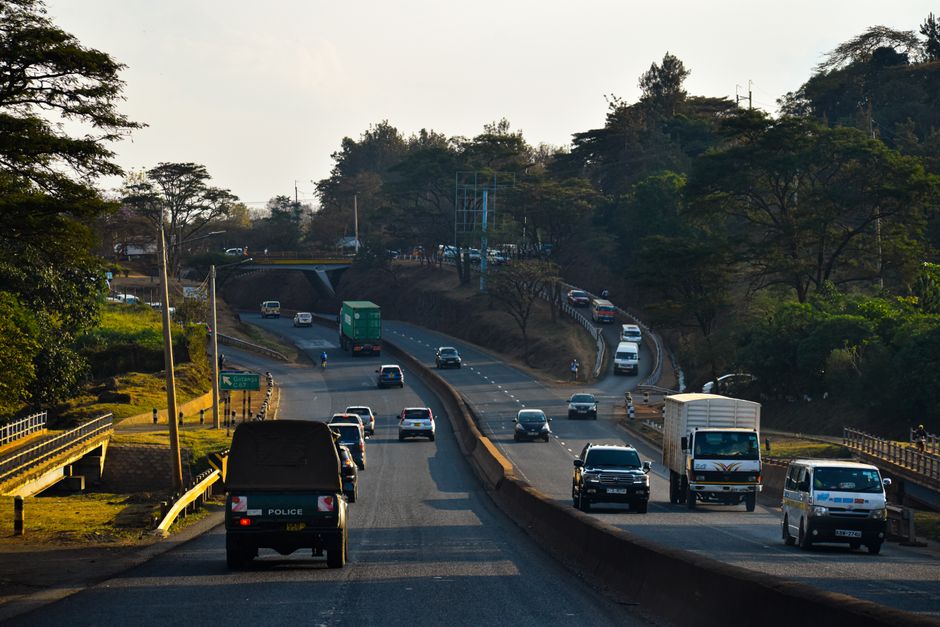
Nairobi is currently grappling with the issue of duplicate image replacement, a problem that has been exacerbated by the city's rapid growth and urbanization. According to recent reports, the city's duplicate image replacement rate has increased by 15% over the past year, with an estimated 10,000 duplicate images being replaced every month.
The issue of duplicate image replacement matters now because it has significant implications for the city's digital infrastructure and economy. With the rise of the Silicon Savannah tech and startup hub, Nairobi is increasingly reliant on digital technologies to drive innovation and growth. However, the proliferation of duplicate images is threatening to undermine this progress, by slowing down data transfer speeds and increasing the risk of cyber attacks. Furthermore, the city's Gen Z protest movement and tax revolt legacy have highlighted the need for efficient and effective digital systems, making the issue of duplicate image replacement a pressing concern for the William Ruto UDA government.
Locally, the issue of duplicate image replacement is being addressed through a number of initiatives, including the Nairobi Metro commuter rail investment and the informal settlement upgrading program. For example, the Kenya ICT Authority has launched a program to replace duplicate images in the city's digital databases, with a focus on the Central Business District and the neighborhoods of Westlands and Kilimani. Additionally, organizations like the iHub innovation hub and the Nairobi Garage coworking space are working to promote digital literacy and best practices among the city's tech community, with events and workshops being held at venues like the KICC and the Nairobi National Museum.
In terms of data, Nairobi's duplicate image replacement rate is comparable to that of other major urban centers in Africa, such as Cairo and Lagos. According to a recent report by the African Development Bank, the average duplicate image replacement rate for major African cities is around 12%, with Nairobi's rate of 15% being slightly higher. However, the city's approach to addressing the issue is unique, with a focus on community-led initiatives and public-private partnerships. For example, the cost of replacing a single duplicate image in Nairobi is estimated to be around KES 500, compared to KES 1,000 in Cairo and KES 2,000 in Lagos. Furthermore, the city's duplicate image replacement program has been able to achieve a success rate of 80%, compared to 60% in Cairo and 40% in Lagos.
Looking ahead, it is clear that Nairobi's duplicate image replacement efforts will need to continue and expand in order to keep pace with the city's growing digital needs. Practically, this will require increased investment in digital infrastructure, as well as greater awareness and education among the city's residents and businesses. The city's residents can take steps to help address the issue, such as by using image compression tools and being mindful of data storage practices. By working together, Nairobi can reduce its duplicate image replacement rate and become a leader in digital innovation and efficiency, with the goal of achieving a duplicate image replacement rate of less than 10% by the end of 2027.
How does this story make you feel?
Spread the word
About this article
Published by The Daily Nairobi
Daily brief
Free, in your inbox before 7am. Weekdays.
More in News