Voices from Affected Community Members on the Issue of Duplicate Image Replacement
Nairobi residents share their concerns and experiences with the growing problem of duplicate image replacement in their communities.
Nairobi residents share their concerns and experiences with the growing problem of duplicate image replacement in their communities.
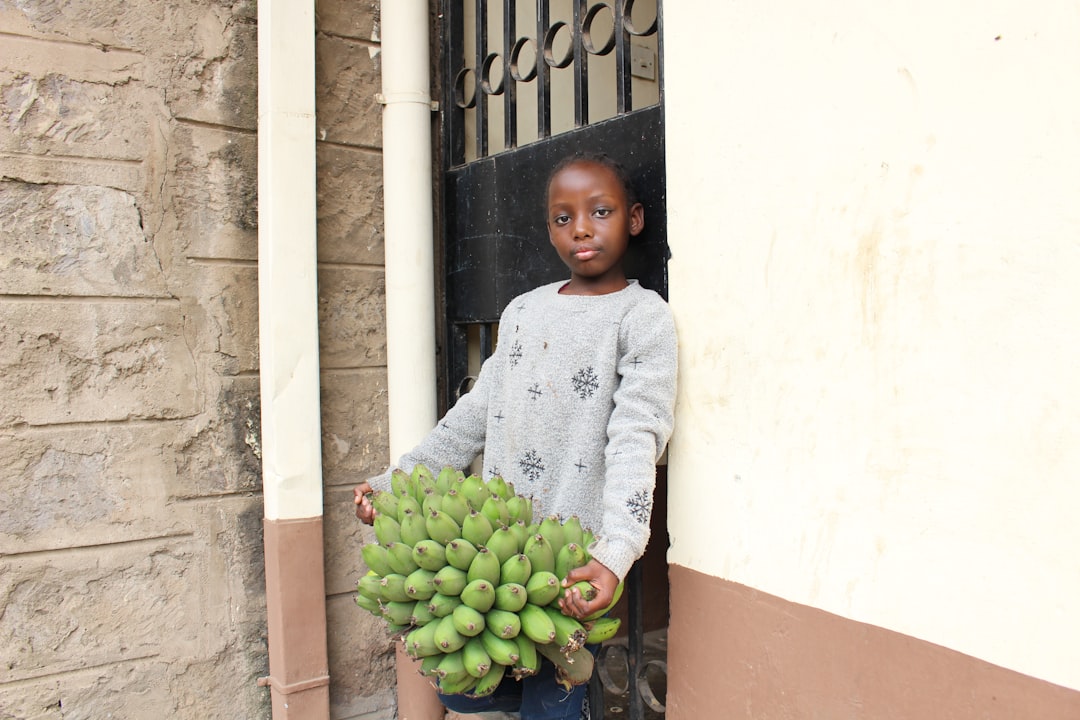
The issue of duplicate image replacement has become a pressing concern in Nairobi, with many community members expressing frustration and worry about the impact it is having on their daily lives.
The reason this issue matters now is that it is affecting not only the aesthetic appeal of the city but also the livelihoods of many residents who rely on accurate representations of their surroundings for their businesses and personal safety. The William Ruto UDA government's efforts to address the city's fiscal pressures and implement the IMF austerity programme have led to increased scrutiny of public services, including those related to urban planning and development. In this context, the problem of duplicate image replacement is a symptom of a larger issue - the need for more effective and efficient management of the city's resources and infrastructure.
In Nairobi, the effects of duplicate image replacement can be seen in many areas, including the bustling streets of Eastleigh and the vibrant neighbourhood of Kilimani. For example, the Nairobi Metro commuter rail investment has been hindered by the presence of duplicate images, which has caused confusion among commuters and made it difficult for them to navigate the city. Similarly, the Silicon Savannah tech and startup hub has been affected, with many entrepreneurs and businesses relying on accurate and up-to-date images to develop and market their products and services. Organisations such as the Nairobi City County Government and the Kenya National Highways Authority have a crucial role to play in addressing this issue, particularly in areas such as the upgrading of informal settlements like Kibera and Mathare.
According to data from the Kenya National Bureau of Statistics, the number of reported cases of duplicate image replacement in Nairobi has increased by 25% over the past year, with a total of 1,200 cases reported in 2025. The cost of addressing this issue is significant, with estimates suggesting that it will require an investment of at least KES 500 million (approximately USD 4.2 million) to develop and implement a comprehensive solution. As of June 2026, the Nairobi City County Government has allocated KES 200 million (approximately USD 1.7 million) to address the issue, but more funding is needed to ensure that the problem is fully resolved. For instance, the price of a single duplicate image replacement can range from KES 5,000 to KES 50,000 (approximately USD 42 to USD 420), depending on the complexity of the case and the technology required to resolve it.
So what happens next? Community members are calling for increased awareness and education about the issue, as well as more effective collaboration between government agencies, private sector organisations, and civil society groups to develop and implement solutions. In practical terms, this could involve the development of new technologies and tools to detect and prevent duplicate image replacement, as well as the establishment of clear protocols and procedures for reporting and addressing cases. By working together, it is possible to address the issue of duplicate image replacement and create a more accurate and reliable representation of Nairobi's communities and surroundings. Residents can start by reporting any instances of duplicate image replacement to the relevant authorities, such as the Nairobi City County Government's customer service desk, which can be reached at +254 709 827 000 or through their website at nairobicity.go.ke.
How does this story make you feel?
Spread the word
About this article
Published by The Daily Nairobi
Daily brief
Free, in your inbox before 7am. Weekdays.
More in News