news
Nairobi's Land Registry Battles Ghost Images, Lags Behind Lagos
Duplicate and corrupted property images in Nairobi's land registry are stalling titling reforms, costing owners money, and leaving informal settlements in a bureaucratic limbo.
How we reported this
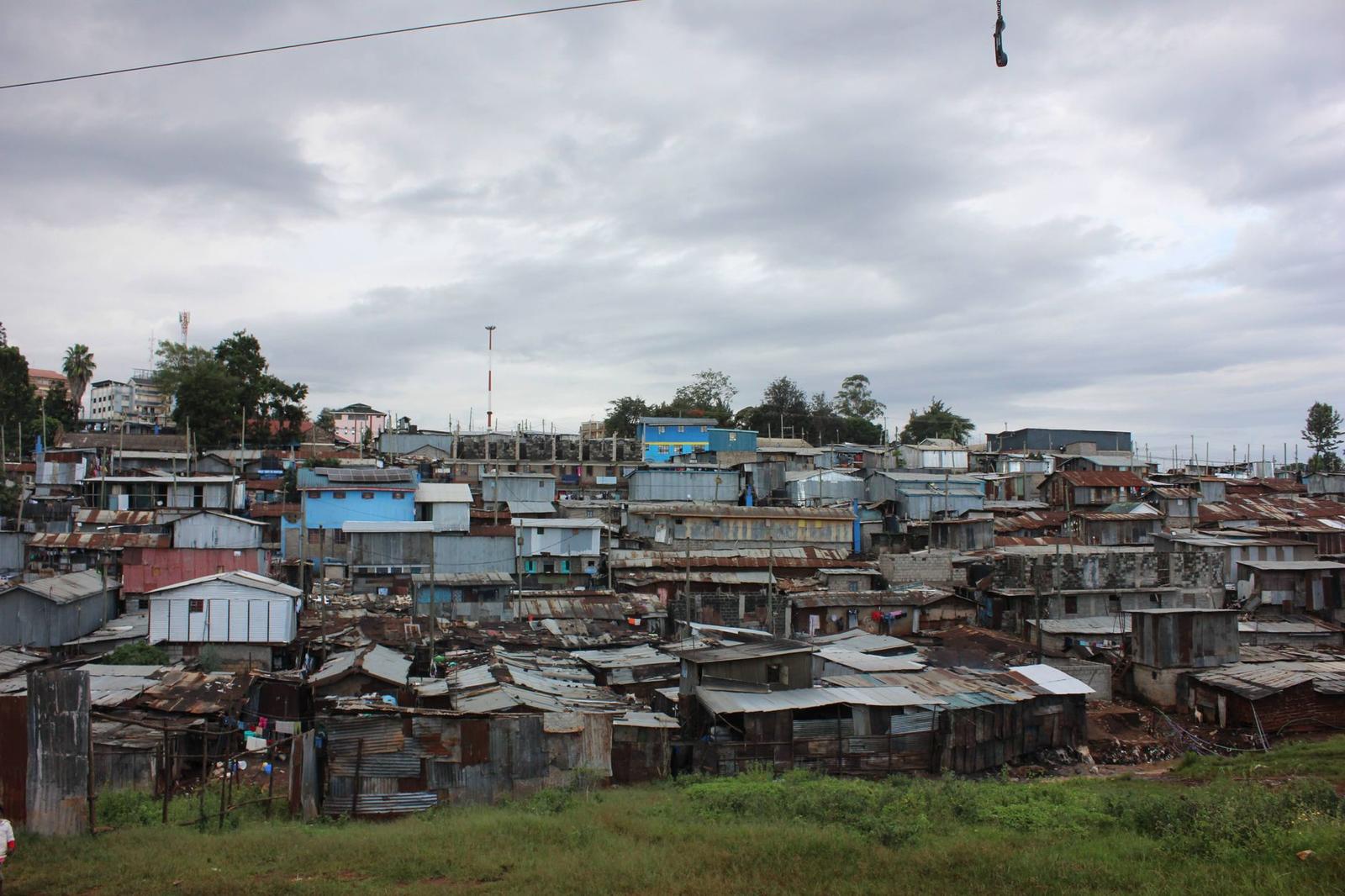
Kenya's capital is sitting on a digitisation crisis it has not yet named in public. Thousands of property records held by the Nairobi City County and the Ministry of Lands offices along Ngong Road contain duplicate scanned images, the same photograph or document filed twice, sometimes under different parcel numbers, jamming a titling system the government has spent years and significant public funds trying to modernise.
The problem matters now because the IMF-backed fiscal consolidation programme has pushed the Ruto administration to monetise public assets and broaden the property tax base. You cannot reliably tax what you cannot reliably identify. And in a city where roughly 60 percent of residents live in informal settlements such as Mathare, Korogocho, and Mukuru kwa Njenga, neighbourhoods currently at the centre of the government's informal settlement upgrading drive, a corrupted image registry is not a minor IT glitch. It is a barrier to tenure security.
What the Duplication Problem Actually Looks Like
Duplicate image replacement is the technical process of identifying, flagging, and substituting repeated or corrupted scanned files inside a land information system. In Nairobi, the primary system in use is the National Land Information Management System, known as NLIMS, which the Ministry of Lands rolled out from its Ardhi House headquarters on Ngong Road beginning in 2021. The system was meant to replace the old manual registry and eliminate fraud. It did not eliminate the underlying data quality problems from the analogue era, it imported many of them.
When a clerk scanned a stack of title documents and the scanner misread a page, or when the same document was scanned at two different quality settings on different days, both images entered NLIMS. Deduplication, the automated or manual process of removing the redundant file and replacing it with the correct, canonical image, requires both software capable of hash-matching or pixel comparison and human review for ambiguous cases. The Ministry of Lands has not publicly disclosed how many records contain confirmed duplicates, and requests to Ardhi House for comment had not been answered by the time this article went to press.
Lagos offers an instructive contrast. Nigeria's Lagos State government launched a dedicated data-cleaning exercise for its Land Use Charge database in 2023, contracting a local firm to audit roughly 300,000 digital property records and flag duplicate or conflicting imagery before a new valuation roll took effect. The exercise was tied directly to a revenue deadline, which gave it political urgency Nairobi's equivalent efforts have so far lacked. Kampala, similarly, completed a digital parcel audit for its central business district with support from UN-Habitat's Global Land Tool Network by late 2024, covering approximately 18,000 parcels in the city centre. Nairobi has no equivalent publicly documented milestone.
The Cost of Doing Nothing
Property owners in Nairobi already feel the friction. Conveyancing lawyers working around Milimani Law Courts and the Registry offices off Upper Hill Road report that land search processes, which should take three days under the NLIMS promise, routinely stall when a parcel's digital file contains image conflicts a registry officer must resolve manually. Some transactions have taken eight weeks or longer to clear title. Each week of delay carries a cost: bridging finance from Nairobi's mortgage lenders currently prices at rates above 17 percent per annum, meaning time lost in a registry queue is money lost at the bank.
The Gen Z protest wave of 2024, which forced the withdrawal of the Finance Bill, left the government acutely sensitive to any policy that looks like it is squeezing ordinary Kenyans while public systems underperform. A land registry that loses documents, duplicates files, and delays title transfers is precisely that kind of story. The informal settlement upgrading programme being administered through the State Department for Housing cannot deliver bankable titles in Mathare or Mukuru if the upstream data is unreliable.
The practical path forward is not complicated, even if it is expensive. The Ministry of Lands needs to publish a deduplication audit scope, contract it with a verifiable timeline, and connect it explicitly to the NLIMS Phase Two rollout that officials have referenced without detailing. Property owners with pending land searches should keep physical copies of all original title documents and any receipts from Ardhi House counters. Until the digital record is clean, the paper trail remains the only certain proof of what you own.