news
Nairobi Residents Lose Photos to Identity Theft Epidemic Across Social Media
From Mathare to Kilimani, community members describe the distress of finding their photographs duplicated across fake social media profiles, fraudulent loan apps and scam advertisements without their knowledge or consent.
How we reported this
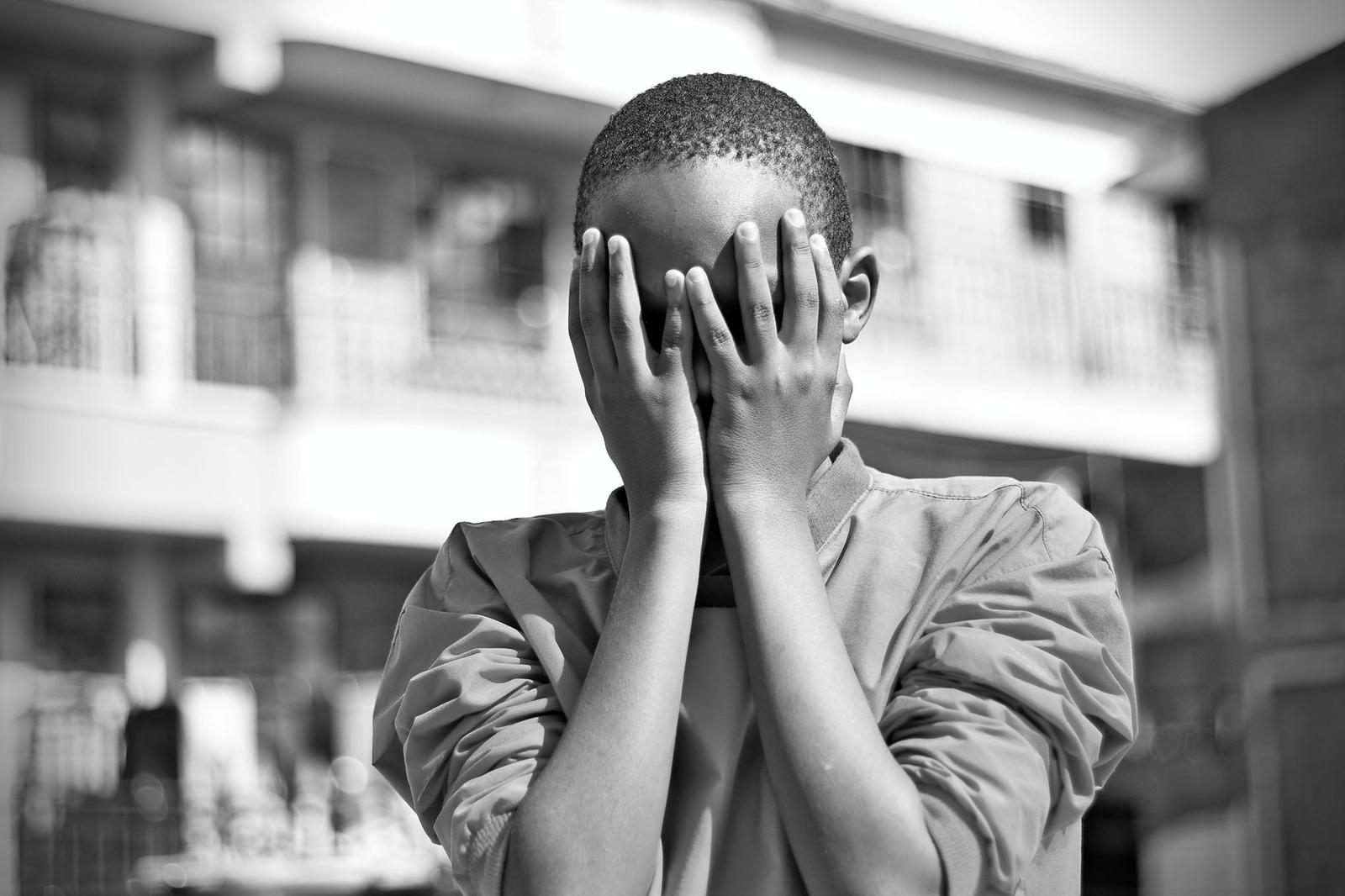
Grace Achieng had been dead for three months, according to strangers messaging her relatives on Facebook. Her photograph, lifted from a WhatsApp profile picture she had set in 2024, was circulating on at least four fake accounts, two of them posing as mobile loan brokers operating out of Westlands. She is alive, works as a tailor on Kirinyaga Road, and only found out when a cousin in Kisumu called to offer condolences.
Her story is not unusual. Across Nairobi's informal settlements and middle-class estates alike, residents are grappling with a surge in duplicate image fraud: the unauthorised copying and reuse of personal photographs to construct fake identities for financial scams, social engineering attacks, and political misinformation. The problem has sharpened in 2026, feeding off the same fiscal anxiety that has defined public life under the Ruto government's IMF-backed austerity programme, fraudsters are exploiting a population already stretched thin and hungry for quick income solutions.
The Neighbourhoods Hardest Hit
Community digital literacy volunteers at the Mathare Social Justice Centre on Mau Mau Road say they have fielded an increasing number of complaints this year from residents whose images have appeared on fake Fuliza and M-Shwari impersonator pages. The centre runs monthly digital safety workshops, and facilitators say attendance doubled between January and May 2026 compared to the same period the previous year. In Kibera, the Muungano wa Wanavijiji network, which has long organised around land rights and settlement upgrading, has begun incorporating image theft awareness into its community meetings after members reported finding their faces on fraudulent rental listings for properties they have never seen.
The mechanics are straightforward and brutal. A profile picture downloaded in seconds can be run through free AI face-swapping tools, embedded in a loan application screenshot, or used to create a bogus Telegram account that then targets the victim's own contacts. Several residents in Eastlands described receiving calls from relatives who had been approached for emergency cash by someone using a loved one's face and a convincing backstory. One woman in Umoja Estate said she lost Sh 4,500 to a cousin who was not her cousin at all, but a scammer wielding a cropped photograph taken from a family WhatsApp group.
The Nairobi Metropolitan Area has an estimated 6.5 million mobile internet users, according to the Communications Authority of Kenya's most recent sector statistics report. That reach, combined with the density of group chats, church circles, chama savings groups, estate residents' associations, creates an enormous pool of images that never pass through any platform privacy filter before they are harvested.
What Victims Are Being Told to Do
The Directorate of Criminal Investigations maintains a cybercrime unit at its Kiambu Road headquarters, and residents can file reports there or through the e-citizen portal. Reporting, however, does not guarantee swift action. Community paralegals at Sheria Mtaani, a legal aid outfit operating out of an office near the Kenyatta National Hospital roundabout, advise victims to screenshot every instance of the fake account, note the platform URL, and file simultaneously with the DCI and with the relevant platform's abuse reporting tool. They also recommend sending a formal written notice to the platform's regional trust and safety team, citing Kenya's Computer Misuse and Cybercrimes Act of 2018, which criminalises identity fraud and unlawful interference with computer systems.
For people who cannot easily navigate those steps, the most practical immediate action is to audit privacy settings on WhatsApp, setting profile pictures to contacts only, and to remove personal images from public Facebook albums. In Mathare and Kibera especially, where smartphone ownership often means sharing a handset within a household, volunteers are pushing the message that every photograph shared in an open group is effectively public. The Silicon Savannah reputation Nairobi carries globally has not yet translated into widespread digital self-defence at street level. Until it does, Grace Achieng and thousands like her remain vulnerable to waking up dead on the internet.