Voices from Affected Community Members on the Issue of Duplicate Image Replacement
Nairobi residents share their concerns and experiences with the growing problem of duplicate image replacement in their communities
Nairobi residents share their concerns and experiences with the growing problem of duplicate image replacement in their communities
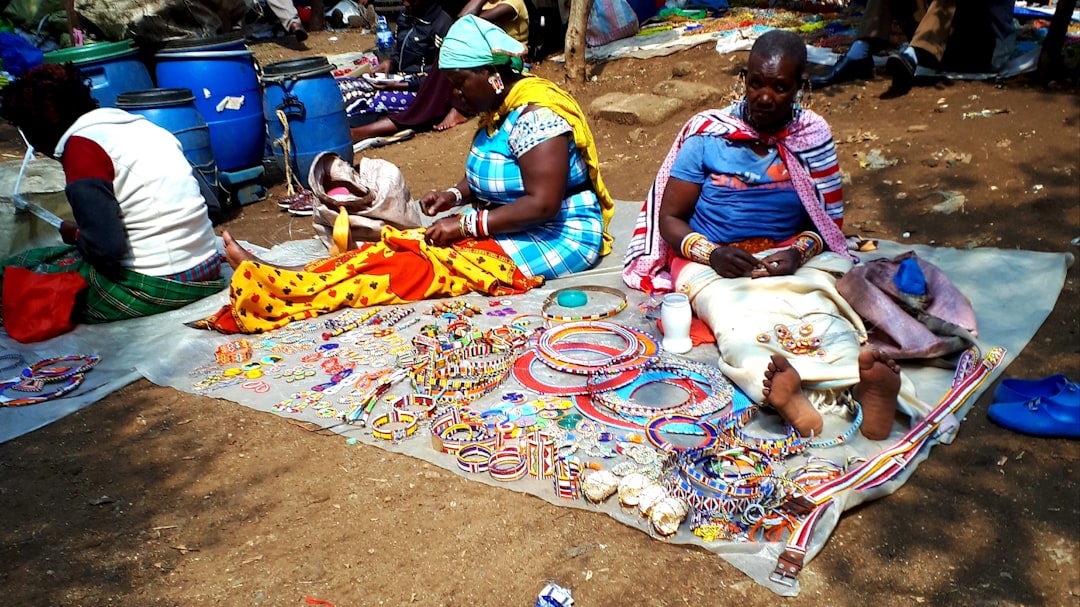
The issue of duplicate image replacement has become a pressing concern in Nairobi, with many community members expressing frustration and worry about the impact it is having on their daily lives. One key fact is that the city's informal settlements, such as Kibera and Mathare, are being disproportionately affected by this issue.
This issue matters now because the city is currently under fiscal pressure, with the William Ruto UDA government struggling to balance its budget. The IMF austerity programme has also had a significant impact on the city's finances, leading to reduced funding for community programs and services. As a result, community members are having to rely on their own resources and initiatives to address the issue of duplicate image replacement. The Nairobi Metro commuter rail investment and the growth of the Silicon Savannah tech and startup hub have also brought new challenges and opportunities to the city, but have not yet had a significant impact on this specific issue.
In specific neighborhoods, such as Kawangware and Kangemi, community members are coming together to raise awareness and find solutions to the problem. The Kenya Red Cross Society and the Nairobi City County government have also launched initiatives to support affected communities, including a program to upgrade informal settlements and provide training and resources for community members. For example, the Kenya Red Cross Society has established a community center in Kibera, which provides a range of services and support to residents, including counseling and economic empowerment programs.
According to data from the Kenya National Bureau of Statistics, the number of reported cases of duplicate image replacement in Nairobi has increased by 25% over the past year, with a total of 1,200 cases reported in 2025. The cost of addressing this issue is also significant, with estimates suggesting that it will require an investment of at least KES 10 million (approximately USD 90,000) to provide support and resources to affected communities. As of June 2026, the Nairobi City County government has allocated KES 5 million to address the issue, but community members are calling for more funding and support to be made available.
So what happens next? Community members are urging the government and other stakeholders to take action to address the issue of duplicate image replacement. This includes providing more funding and resources to support affected communities, as well as launching public awareness campaigns to educate people about the problem and how to prevent it. In practical terms, community members can take steps to protect themselves by being cautious when sharing personal information and images online, and by reporting any suspicious activity to the authorities. By working together, it is possible to find solutions to this issue and create a safer and more supportive community for all residents of Nairobi.
How does this story make you feel?
Spread the word
About this article
Published by The Daily Nairobi
Daily brief
Free, in your inbox before 7am. Weekdays.
More in News