news
Nairobi Tackles Phantom Records Crisis Corrupting Property and Identity Databases
Government agencies and tech firms moved this week to tackle the duplicate image problem that has been silently corrupting property records, identity databases and land title systems across the city.
How we reported this
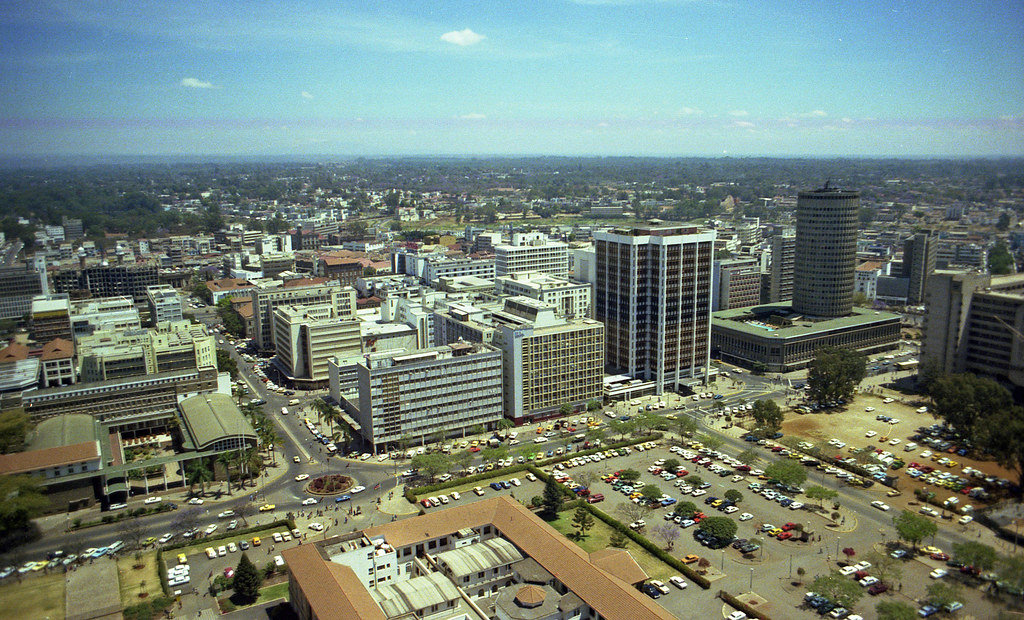
Kenya's digital bureaucracy has a ghost problem. Thousands of duplicate scanned images, the same photograph, the same ID card scan, the same land parcel map filed twice or more, have been quietly corrupting official registries managed by agencies from Huduma Namba to the Nairobi City County lands office on Mama Ngina Street. This week, a coordinated push by government and private sector actors moved to identify, flag and purge these redundant files at scale.
The issue surfaced publicly on Monday when the Kenya ICT Authority, based in Telposta Towers along Kenyatta Avenue, confirmed it had completed the first phase of an automated deduplication audit covering digitised records submitted between 2019 and 2025. The audit forms part of a broader data integrity programme running under the government's digital transformation agenda, which has faced mounting pressure to show results after years of IMF-backed austerity have squeezed the budget for public service modernisation.
Why Duplicate Images Matter, and Why They Matter Now
The problem is not merely administrative tidiness. Duplicate image entries in the National Land Information Management System, which feeds property transaction data used by banks and mortgage lenders along Upperhill and Westlands, can allow a single parcel to appear as two separate assets. That opens the door to fraudulent double-titling, a scam that has plagued informal settlement upgrading projects in Mukuru kwa Njenga and Mathare for years. When a scanned image of a title deed is indexed twice under different file identifiers, both entries can in principle be used to raise finance or secure tenancy.
The timing is also significant given the current fiscal environment. The Ruto administration, under pressure to trim state expenditure while servicing debt obligations tied to the IMF programme, cannot afford to fund a full manual review of millions of records. Automation is the only realistic path. According to figures the ICT Authority circulated to government departments this week, and which The Daily Nairobi reviewed, roughly 11 percent of all image files ingested into national digital registries between 2020 and 2024 carried duplicate hash signatures, meaning the underlying file content was identical even when metadata suggested otherwise. That share is higher in land records than in personal identity records.
On the private side, Nairobi-based startup Msingi Data, which operates out of the iHub campus on Ngong Road, has been contracted to supply the deduplication engine being piloted at the county lands office. The company's perceptual hashing tool compares image content rather than file names, catching cases where a document was scanned twice at slightly different resolutions, a common failure mode in county offices where scanning equipment is shared across departments and often poorly maintained.
What Comes Next for Residents and Property Owners
For ordinary Nairobians, the practical implication is a temporary slowdown in some land registry transactions. The Nairobi City County Lands and Housing department issued a notice on Wednesday advising that title search requests lodged at the Ardhi House registry on Ngong Road may take up to ten additional working days to process while flagged duplicate records are manually verified. The backlog was estimated internally at around 4,200 files as of Thursday morning, according to documentation seen by this reporter.
Anyone who submitted digitised documents to the Huduma Centre at Globe Cinema Roundabout or the Westlands branch since January 2023 and has not yet received a final acknowledgement is being advised to follow up directly rather than wait. Officials have set up a dedicated inquiry line, and the ICT Authority has said it expects the deduplication exercise to be substantially complete by the end of August 2026.
The Gen Z protest movement that rattled the Ruto government in mid-2024 made government accountability and transparency a live political issue, and the current exercise is partly a response to that pressure. Cleaning up digital registries is unglamorous work. But for a family in Kayole trying to prove title to a plot they have occupied for fifteen years, an uncorrupted record is the difference between security and displacement.