news
Nairobi Residents Demand Justice After Fraudsters Steal Their Photos
From Mathare to Kilimani, community members describe the real damage done when their faces and livelihoods are hijacked by duplicate image fraud.
How we reported this
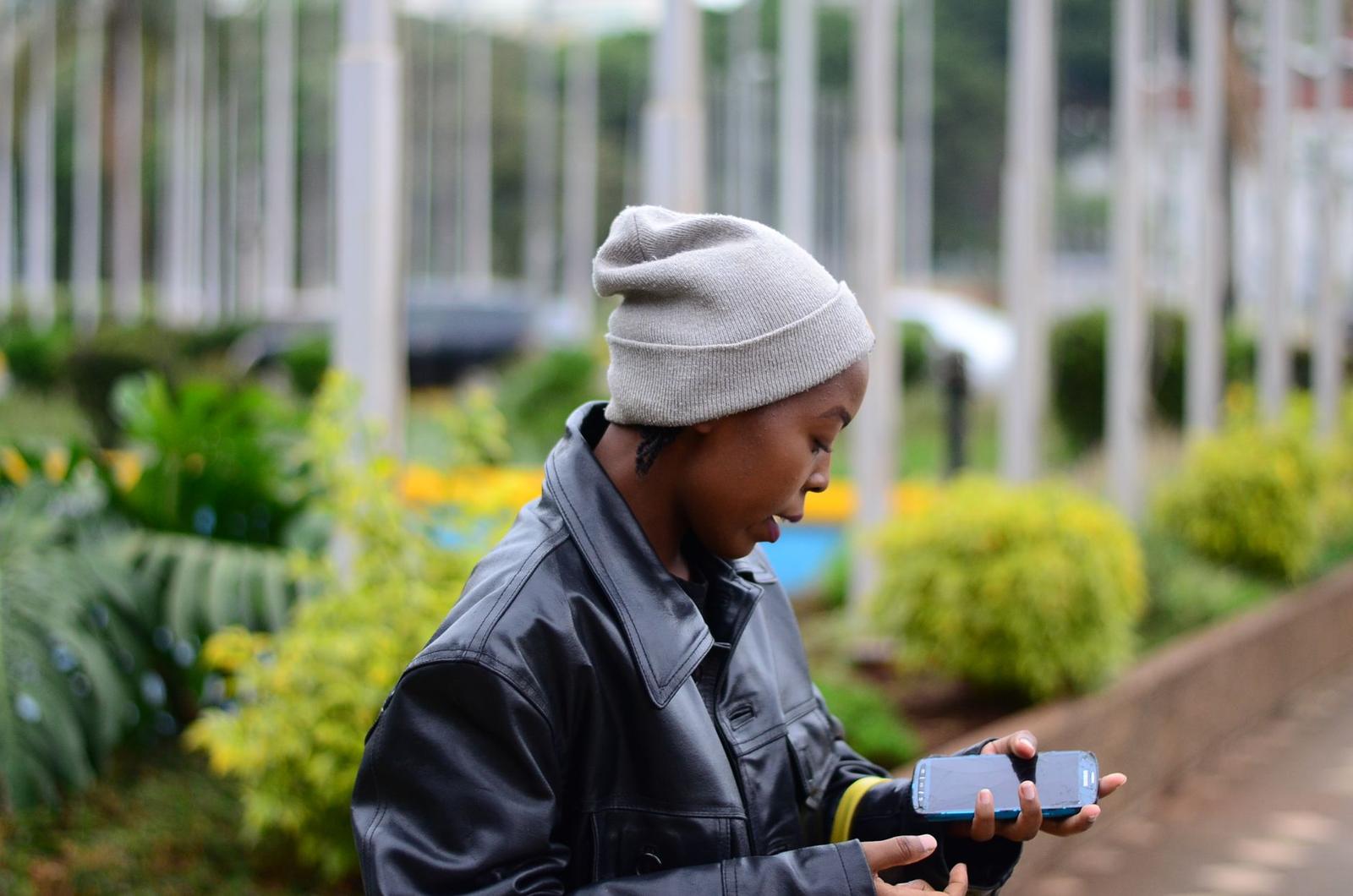
A hawker on River Road whose portrait appeared on at least three counterfeit mobile money agent boards she never licensed. A boda boda rider in Kayole who discovered a cropped version of his profile photo being used to advertise a loan app he had never heard of. A market vendor at Gikomba who found her image embedded in a fake Jumia seller profile offering goods she does not stock. These are not edge cases. Across Nairobi's lower- and middle-income neighbourhoods, the theft and duplication of personal photographs has become a routine grievance with almost no formal remedy available.
The issue is sharp right now for several reasons. Kenya's digital economy has expanded fast, mobile internet penetration crossed 45 percent of the population according to the Communications Authority of Kenya's sector statistics report for the financial year ending June 2025. That growth has pulled millions of Kenyans onto WhatsApp business pages, Facebook Marketplace, and micro-lending platforms, and each new profile photograph is a potential asset for bad actors. At the same time, the Ruto administration's fiscal tightening under the IMF programme has squeezed household incomes, pushing more people into informal digital commerce where identity verification is weak and legal recourse is expensive.
The Neighbourhoods Where It Bites Hardest
Mathare, Korogocho, and Kayole come up repeatedly when community organisers describe where complaints cluster. These are areas where residents rely heavily on reputation and trust to run micro-businesses, a face on a sign or a profile picture on M-Pesa Paybill float agent boards is not decorative; it is the business credential. When that face is copied and pasted onto a fraudulent operation, the real person absorbs the blowback: angry customers, blocked numbers, and in some cases threats.
The Nairobi-based digital rights organisation Zana Africa has been documenting cases involving women and girls whose images are stripped from educational programme materials and recycled in unrelated commercial or exploitative contexts. Similarly, the Korogocho-based community radio station Ghetto Radio has aired listener testimonies over the past six months about residents whose photographs, taken at public events or scraped from Facebook, have turned up on fake government services advertisements circulating on WhatsApp. The station has not published a formal count, but community coordinators say the volume of calls on the topic increased noticeably after the Gen Z protest cycle of 2024, when street demonstration photographs were widely shared and became a large, searchable pool of images.
What the Law Offers, and What It Doesn't
Kenya's Data Protection Act, which came into force in November 2019, gives individuals the right to object to unauthorised processing of their personal data, including photographs. The Office of the Data Protection Commissioner on Upper Hill Road is the formal complaints body. But filing a complaint requires internet access, literacy in legal procedure, and patience, commodities in short supply in Mathare or Korogocho. Enforcement actions against small-scale image thieves operating through anonymous WhatsApp numbers are, by the Commissioner's own public acknowledgment in its 2024 annual report, difficult to pursue.
A practical floor is emerging from the ground up rather than from regulation. Community savings groups in Kibera have begun advising members to watermark photographs before posting them to any public platform. Some Westlands-based graphic design shops now offer a basic watermarking service for between Ksh 50 and Ksh 150 per image, affordable for a formal business owner, but still a friction cost for someone setting up a Facebook page from a shared smartphone at a cybercafe on Luthuli Avenue.
The Data Protection Commissioner's office has said it plans to run a public awareness campaign targeting small traders in the second half of 2026, according to a notice published on its website in May. Whether that reaches residents in Korogocho or along the Kangemi market strip before more images are stolen is the practical question hanging over the issue. Community organisers say awareness is useful, but what affected residents are asking for is faster, cheaper, accessible reporting, a WhatsApp line, a USSD code, something that does not require a lawyer or a laptop to operate.