news
Nairobi Residents Lose Jobs, Loans Over Mismatched ID Photos
Across Mathare, Kibera and Eastleigh, Kenyans are losing government services, loans and jobs because their official records carry the wrong photograph, and the fix is anything but simple.
How we reported this
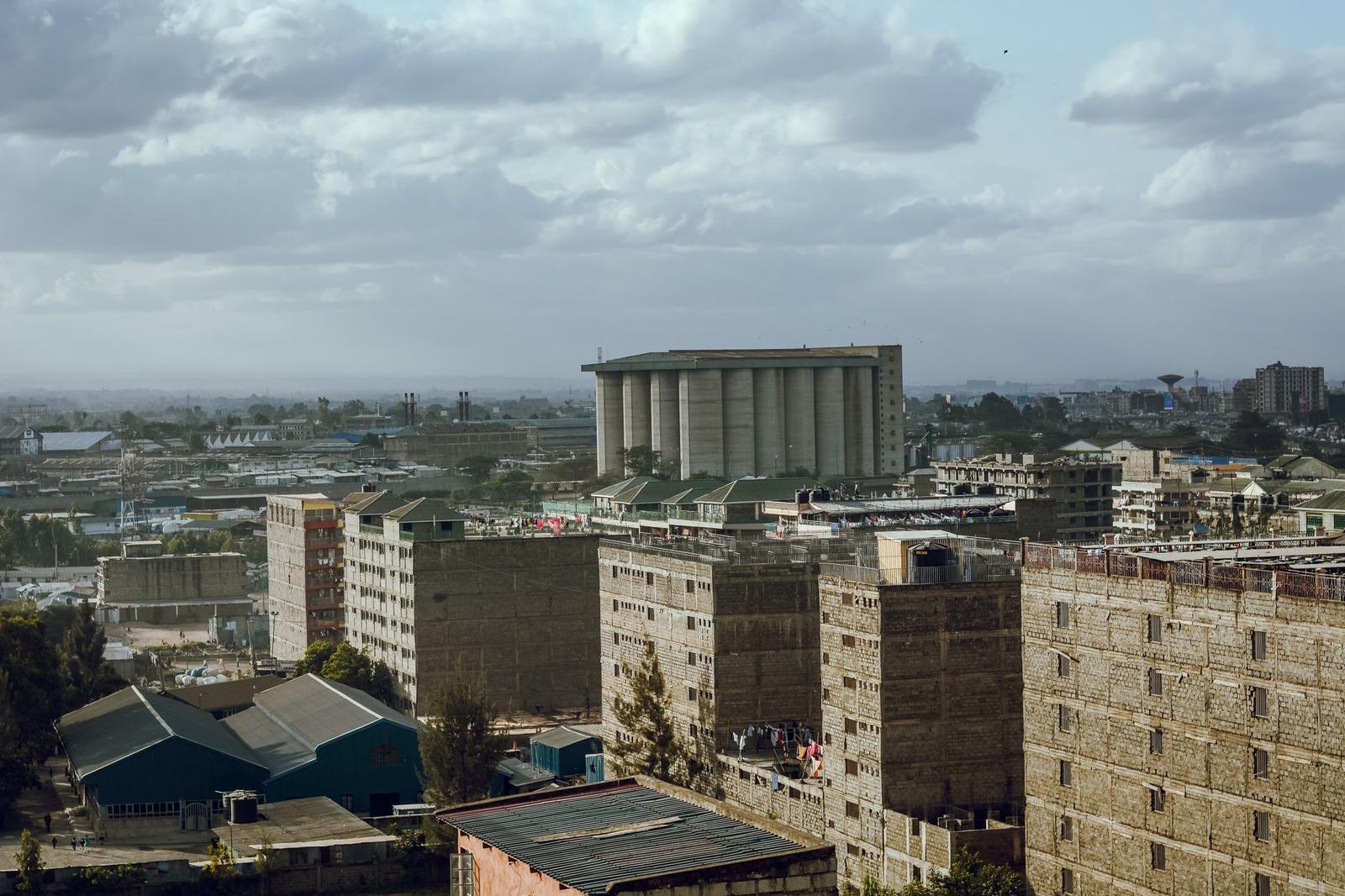
At least dozens of Nairobi residents have been turned away from government service counters, microfinance lenders and employers this year after discovering that their Huduma Namba or national identity card records contain a stranger's photograph attached to their personal details, a bureaucratic collision that strips them of access to housing loans, mobile money credit and formal employment at a stroke. The problem, known informally among affected residents as the duplicate image error, has surfaced with particular intensity in high-density wards where multiple registration drives overlapped between 2019 and 2022.
The timing is brutal. Kenya's government is midway through an IMF-backed fiscal consolidation programme that has pushed state agencies toward digital-first service delivery. The Huduma Kenya platform, which consolidates identity, tax and social protection records, is now a gatekeeper for everything from NHIF hospital access to Stawi business loans. A corrupted photograph in that system does not merely inconvenience, it effectively deletes a person from the formal economy.
Whose Face Is This? The Ground-Level Reality in Mathare and Kibera
In Mathare, along Juja Road near the Moi Air Base boundary, community paralegals at Kituo cha Sheria's outreach desk say they have handled a stream of cases since January 2026 involving residents whose biometric records were cross-contaminated during mass registration exercises. The pattern they describe is consistent: two individuals registered close together in time at the same Huduma Centre kiosk end up sharing a photograph in the backend database, while each retains their own name, ID number and fingerprint record. The mismatch only becomes visible when the person attempts a transaction that triggers a facial-verification step.
Kibera's Soweto East village, adjacent to the Lang'ata Road flyover, has seen similar complaints filter through the offices of Muungano wa Wanavijiji, the urban poor federation that has been mapping land and tenure records in the settlement for years. Residents there describe queuing at Huduma Centre Kibera on Olympic Estate Road, being told the correction requires a manual review by the National Registration Bureau headquarters on Teleposta Towers, and then waiting months without a resolution date.
The National Registration Bureau's own public guidance, last updated on its website in March 2025, states that duplicate-record corrections fall under a Category B amendment, which is supposed to be resolved within 21 working days of a formal application. Several affected residents interviewed by The Daily Nairobi described waiting well beyond that window, though we were unable to independently verify the total number of open cases across the city.
Practical Steps, and the Obstacles That Block Them
Kenya's digital identity infrastructure reached a significant milestone in late 2024 when the government reported registering more than 4 million unique Huduma Namba holders under Phase Two of the rollout. That scale of rapid enrolment, conducted across 47 counties simultaneously, created conditions where data-entry collisions became statistically probable even at a low error rate. An error rate of just 0.1 percent across 4 million records would translate to 4,000 corrupted files nationwide, enough to affect a meaningful slice of any single city ward.
For affected residents, the bureaucratic ladder starts at the Huduma Centre nearest to them, there are 52 across the country, with the Teleposta Towers branch at the corner of Kenyatta Avenue and Ngong Road among the most accessible in the CBD. From there, a formal NRB correction form, currently free of charge, must be submitted alongside the original ID card, a sworn affidavit from a Justice of the Peace, and a passport photograph. The 21-working-day clock, per official guidance, begins only once all documents are accepted, a threshold that has proved difficult for residents in informal settlements who lack certified copies of their original registration paperwork.
Community legal organisations including Kituo cha Sheria, based on Ralph Bunche Road in Milimani, are advising residents to document every step of the process in writing, request a stamped receipt at submission, and follow up in person at the 15-working-day mark rather than waiting for notification. For those whose livelihoods depend on mobile credit or employer background checks, the advice is to carry a court-certified letter from a JP confirming the pending correction as a stopgap measure while the formal review proceeds. The window for a clean resolution exists, but residents bear the entire burden of navigating it.