news
Nairobi tracks global tremors and conflicts as local fiscal strains persist
Residents in Kenya's capital follow international developments from the AP hub while balancing ongoing economic pressures at home.
How we reported this
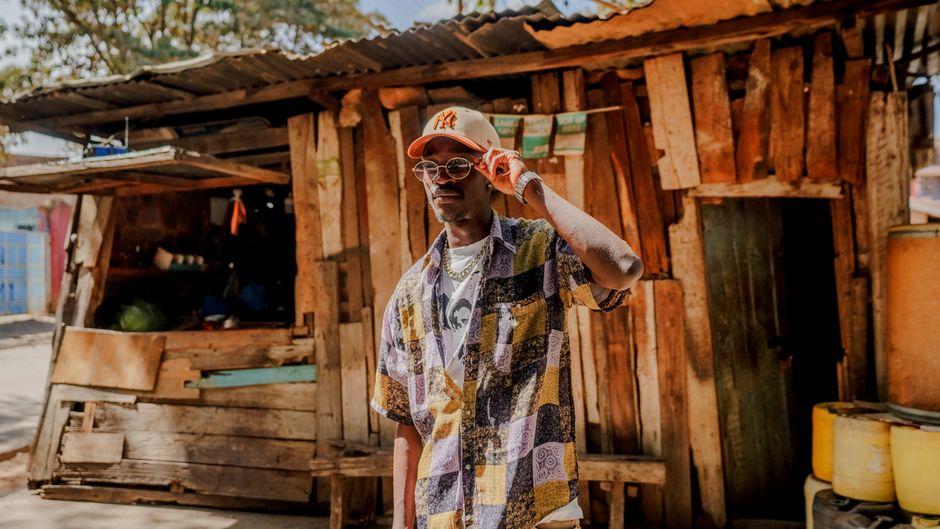
Nairobi residents are keeping close watch on reports of a major earthquake along the Mexico-Guatemala border and repeated strikes in the Middle East through the Associated Press Nairobi hub, even as the city contends with its own infrastructure and budget challenges.
The timing stands out because several of these events involve critical infrastructure and cross-border movement, issues that echo daily concerns in a capital where commuter rail upgrades and informal settlement work continue under tight national budgets. Local readers see parallels in how distant cities respond to sudden shocks, from water system vulnerabilities exposed in Kuwait to deportation logistics involving Jamaica and Eswatini.
Local responses mirror patterns elsewhere
Compared with cities facing similar resource limits, Nairobi leans on its Silicon Savannah networks and commuter rail links to keep information flowing during periods of external tension. Officials here have avoided the kind of automatic policy shifts seen in some other capitals, instead focusing on steady progress with metro investments and Gen Z-led discussions around tax measures. This approach keeps daily movement and startup activity stable while residents absorb updates on events such as the 7.3 magnitude quake that caused no immediate reported damage in Central America.
Analysts note that many cities under IMF-style programmes handle external news cycles by prioritising visible local projects over rapid reactions. Nairobi follows that pattern, directing attention to rail extensions and settlement upgrades rather than new external commitments.
Practical steps for readers
Those following the AP feed can cross-check updates against Nairobi Metro schedules and local radio summaries to separate distant events from immediate travel or market impacts. The pattern suggests the next few days will bring continued emphasis on steady infrastructure work rather than sudden policy changes.