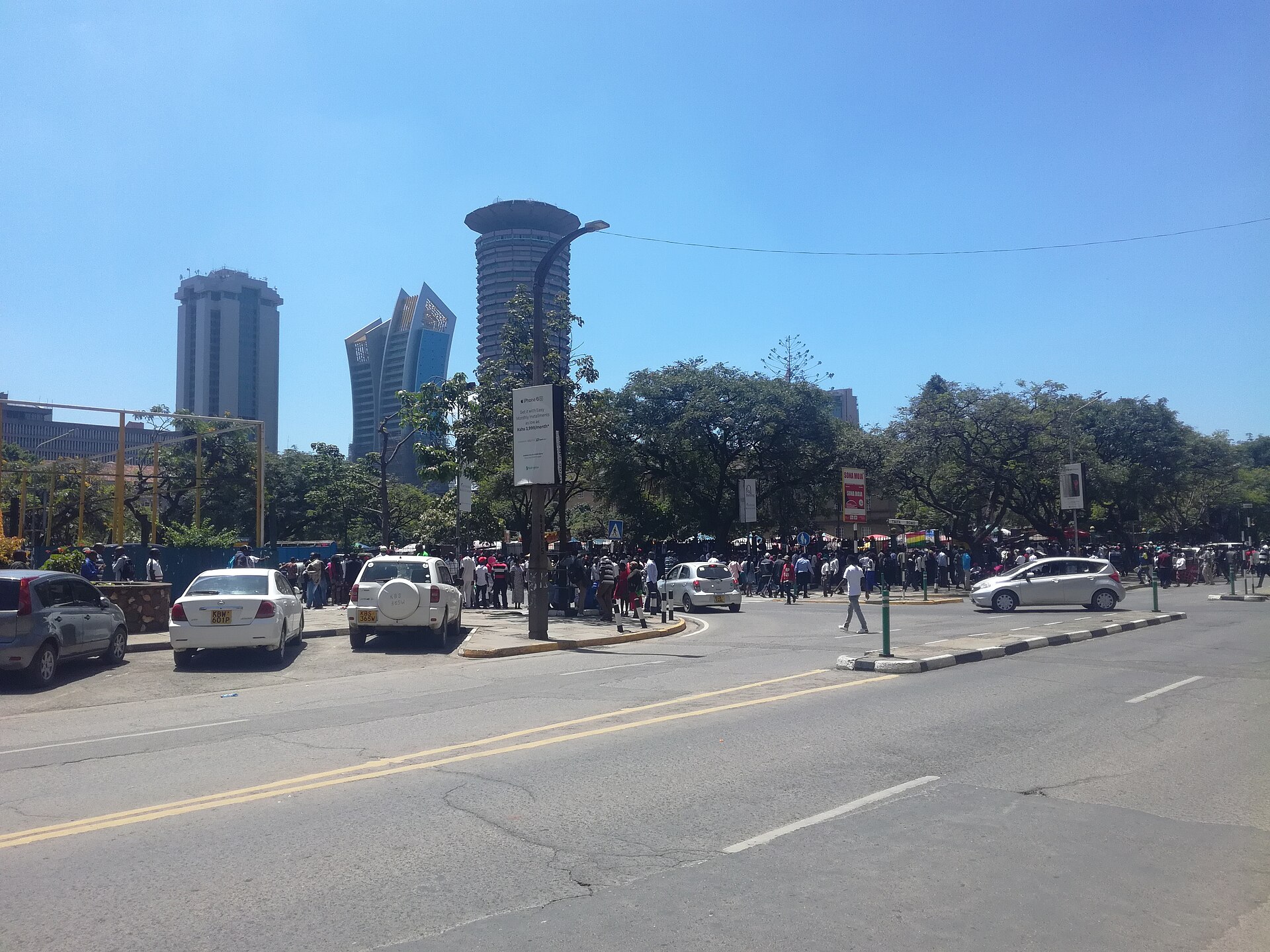
Nairobi Transport Fares Rise, Straining Household Budgets Across City
Revised fare caps under the county's public transport rules are projected to raise average commuting costs for residents in estates such as Kawangware and South C.
Revised fare caps under the county's public transport rules are projected to raise average commuting costs for residents in estates such as Kawangware and South C.
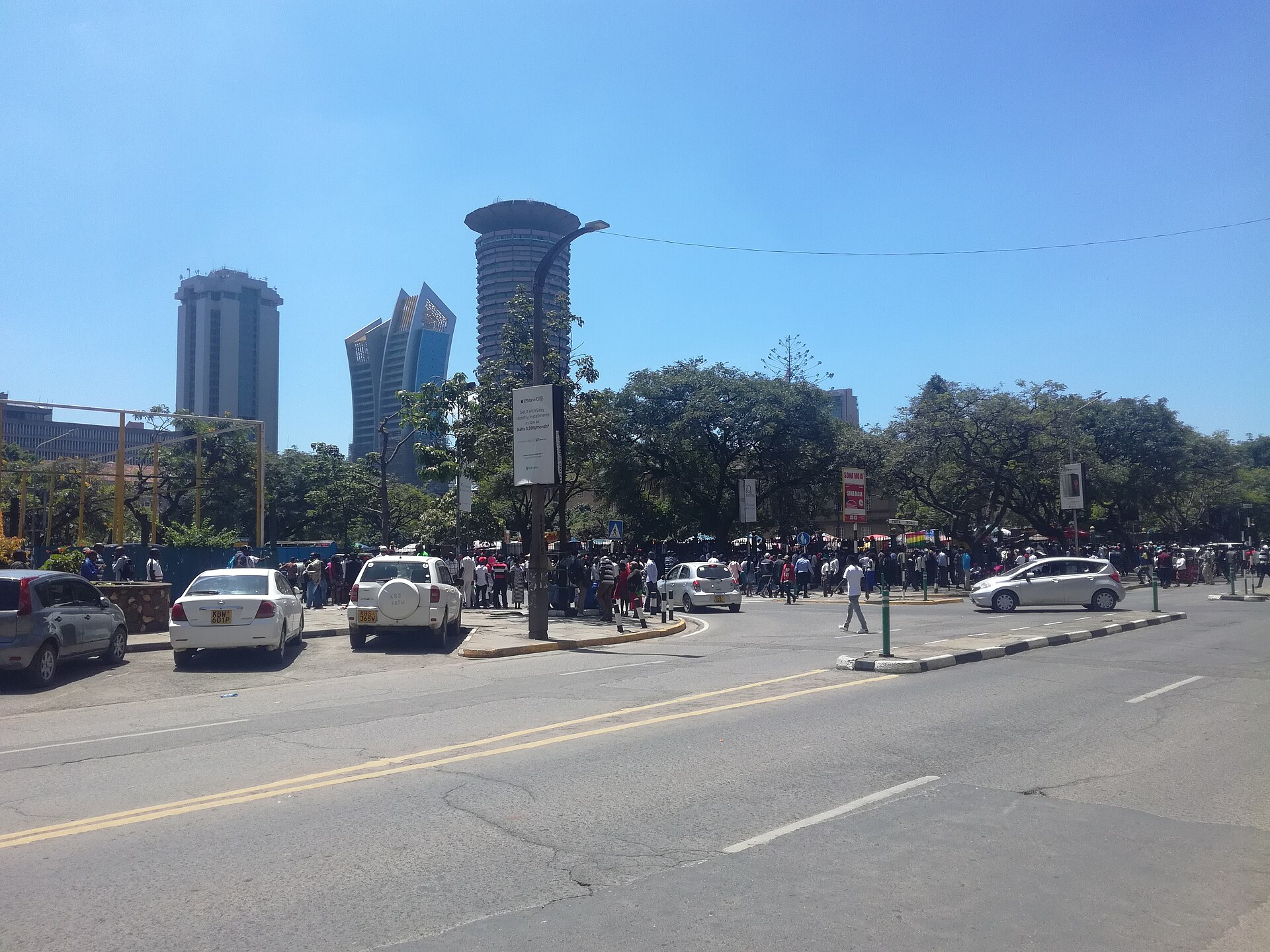
The Nairobi County government has implemented updated fare regulations for matatus and buses operating on routes within the metropolitan area, with changes taking effect from the start of the 2026/27 financial year. These rules set new maximum charges on 42 designated corridors and directly affect an estimated 1.8 million daily commuters who rely on public transport to reach jobs in the central business district and industrial zones. Candidates contesting county assembly seats have placed the regulations at the centre of their campaign materials distributed at markets and bus stages.
The adjustments follow the county assembly's passage of the Nairobi Public Transport Act amendments in June, which replaced earlier subsidy arrangements with a cost-recovery model tied to fuel price indices. National budget documents released by the Treasury in May allocated KSh 4.1 billion less to urban transport support than in the prior cycle, leaving county authorities to cover shortfalls through fare structures. This timing coincides with preparations for the August 2027 general election, when local representatives will be chosen alongside national posts.
Households in Nairobi now calculate transport as a larger share of weekly outlays. A family with two adults travelling from Embakasi to offices in Upper Hill faces an additional KSh 1,200 per month under the new caps, according to route data published by the county transport department. Traders at Wakulima Market report that suppliers have already added surcharges to vegetable deliveries, pushing retail prices for staples such as tomatoes and onions higher by an average of 8 percent in the first week of July.
County budget papers list the previous fare structure as having been subsidised at KSh 3.2 billion annually, a figure that covered peak-hour discounts for students and informal sector workers. The revised model removes those discounts on 19 routes and introduces electronic ticketing fees of KSh 5 per trip. Local advocates note that single-parent households in Mathare and Korogocho, where average monthly incomes hover near KSh 18,000, will have fewer options to absorb the difference without cutting spending on school fees or rent.
Implementation begins with enforcement checks at major termini including Machakos Bus Station and the Nyayo Stadium roundabout. The county directorate of transport has scheduled public meetings through the end of July to explain compliance requirements for operators. Residents can submit written comments on specific route impacts until 31 July via the county website or at sub-county offices.
Further adjustments remain possible once the Kenya Revenue Authority publishes its quarterly fuel price review in September. County officials have stated that any subsequent fare changes will be published in the Kenya Gazette at least 14 days before taking effect.
How does this story make you feel?
Spread the word
About this article
Published by The Daily Nairobi
Daily brief
Free, in your inbox before 7am. Weekdays.
More in policy