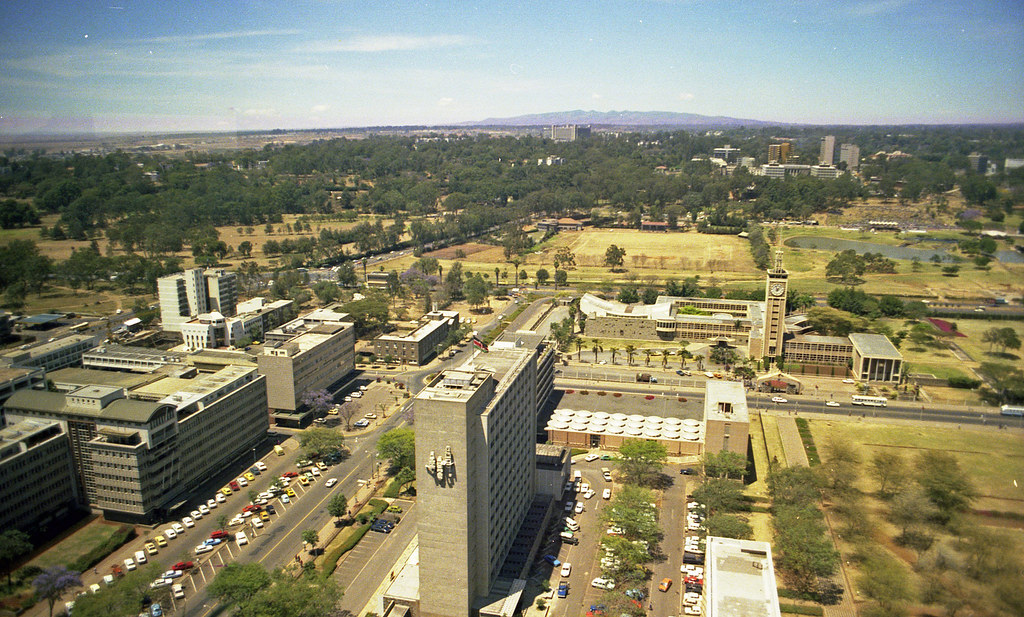
Nairobi Ballot Measures: Cost-of-Living Relief Vote
Nairobi residents vote on public transport, utility charges, and food subsidies. Learn how ballot measures aim to ease household budget pressures amid rising inflation.
Nairobi residents vote on public transport, utility charges, and food subsidies. Learn how ballot measures aim to ease household budget pressures amid rising inflation.
Nairobi residents will soon vote on a series of ballot measures aimed at addressing the city’s rising cost of living. These referendums cover issues such as adjustments to public transport fares, utility charges, and subsidies for essential goods. The measures are designed to respond directly to household budget pressures experienced by many in the city.
The push for these measures comes amid increased inflation rates impacting Nairobi and Kenya generally. According to the Kenya National Bureau of Statistics, inflation stood at 8.1 percent in May 2026, primarily driven by food and energy price increases. This trend has strained household finances, especially among lower and middle-income families. Local government officials have stated the ballot measures seek to offer relief and stabilize essential service costs.
One of the prominent proposals on the ballot concerns a cap on fare increases for matatus and city buses. The legislation states that if passed, maximum fares would be frozen for the next 12 months, which policy documents say is expected to shield commuters from fare hikes amid rising fuel prices. Nairobi residents who rely on public transport for daily work commutes, a significant proportion of the population, could see direct budgetary relief from this cap.
Another measure involves adjusting water and electricity tariffs through a local subsidy that aims to offset recent national utility hikes. The Nairobi Water and Sewerage Company estimates that without intervention, average household water bills would increase by 15 percent in the next fiscal year. If the subsidy referendum passes, these rates are projected to hold steady, easing household monthly costs for an estimated 1.5 million Nairobi water customers.
The Nairobi County Government’s 2026-2027 budget includes a KSh 1.2 billion allocation for targeted subsidies on water and transport utilities, conditional upon voter approval of the proposed referendums. The budget paper highlights that this spending aims to support vulnerable income groups while maintaining fiscal sustainability. Policy analysts caution that while subsidies may contain short-term cost pressures, longer-term financial effects will depend on overall economic conditions and government revenue.
Local consumer advocacy groups note that the ballot measures may not impact all households uniformly, with the greatest benefit expected among families spending a high proportion of income on transport and utilities. The legislation states that subsidies will be phased out gradually to align with broader economic recovery plans.
Following the July 30th referendum, the Nairobi County Electoral Commission will announce the results within two days. Should the measures pass, implementation of the fare caps and utility subsidies is expected to begin by September 1, 2026. Residents are encouraged to review official voter materials distributed by the county government for comprehensive details on each proposal’s text and projected impacts.
How does this story make you feel?
Spread the word
About this article
Published by The Daily Nairobi
Daily brief
Free, in your inbox before 7am. Weekdays.
More in policy