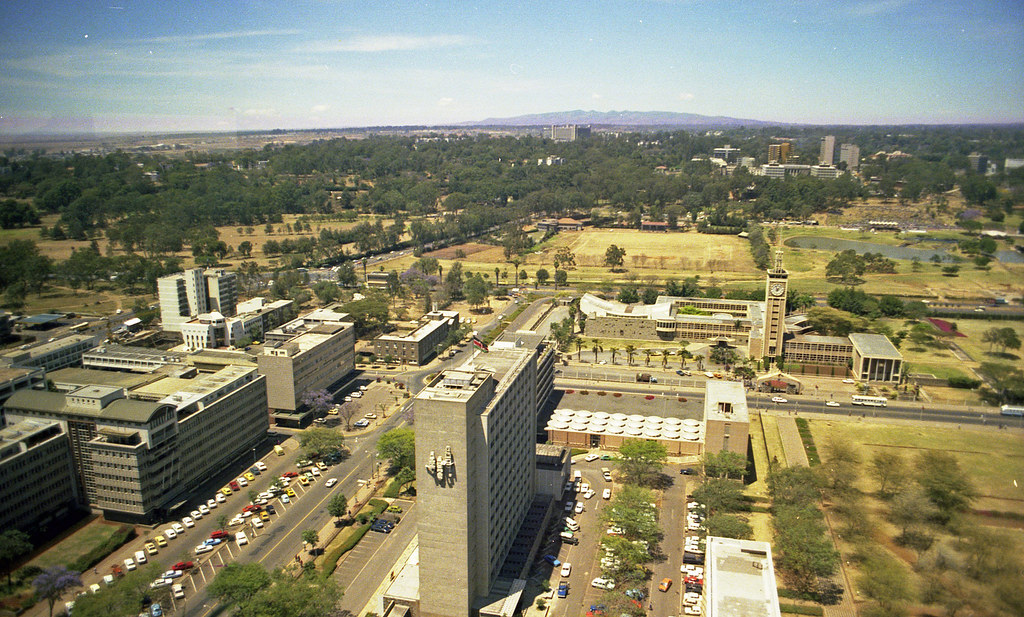
Nairobi County has launched a new bill tracking platform designed to monitor legislative proposals affecting jobs, public services, and infrastructure development within the city. The system allows residents, advocacy groups, and businesses to follow progress on county laws, amendments, and budgets in real time. It focuses on legislation aimed at expanding employment opportunities, improving service delivery, and managing the city’s growing infrastructure needs.
This initiative arrives amid Nairobi's rapid urban expansion and increased demand for essential amenities. With a current population estimated at 4.7 million, the county faces pressure to create jobs and improve infrastructure such as roads, water supply, and housing. The bill tracker comes as local government efforts intensify to align policy decisions with community priorities and ensure transparency in how public funds are allocated.
Impact on Nairobi Residents’ Jobs and Services
The legislation under review through the bill tracker includes proposals to expand the Nairobi Urban Jobs Programme, which aims to create 25,000 new positions in sectors like waste management, transport, and public safety by 2028. New bills also focus on enhancing water treatment infrastructure in Eastlands, a region home to over 1.2 million people, to reduce water shortages that have impacted households for years.
Another key focus is upgrading county-run health centers with upgraded medical equipment and staff recruitment, part of a broader plan to reduce patient waiting times. The tracker provides details on the progress of County Assembly motions that allocate funds for these health initiatives, which are projected to increase outpatient capacity by 15% within two years.
Budget and Data Illustrate Scale of Changes
According to the Nairobi County Integrated Development Plan (2023-2027), the county government has earmarked approximately 12 billion Kenyan shillings (roughly $90 million) in its 2026-2027 budget specifically for infrastructure improvement projects, including road rehabilitation and expansion of the sewer network. The bill tracker reveals that over 60% of currently proposed bills deal with infrastructure funding, with a particular emphasis on areas like Kibera and Mathare slums, where infrastructural deficits are most acute.
Policy analysts note that continuous updates on proposed ordinances empower local stakeholders to engage with the legislative process proactively. This is expected to improve accountability and ensure that public spending targets neighborhoods with urgent needs, impacting daily life by reducing commuting times and improving sanitation standards.
Moving forward, the county government plans to integrate the bill tracker with citizen feedback platforms, allowing residents to comment on specific bills and provide input on service delivery. The County Assembly's next session, scheduled for August 2026, will prioritize reviewing legislation flagged as high-impact on employment and infrastructure projects. For Nairobi residents, this means greater opportunity to understand how upcoming policies translate into real jobs, better roads, and more reliable public services in their neighborhoods.