Politics
Nairobi Mayor Launches Waste Management Overhaul to Transform City Sanitation
The new waste management strategy seeks to enhance collection services and reduce health hazards for Nairobi residents, with expanded community engagement and technology-driven tracking.
How we reported this
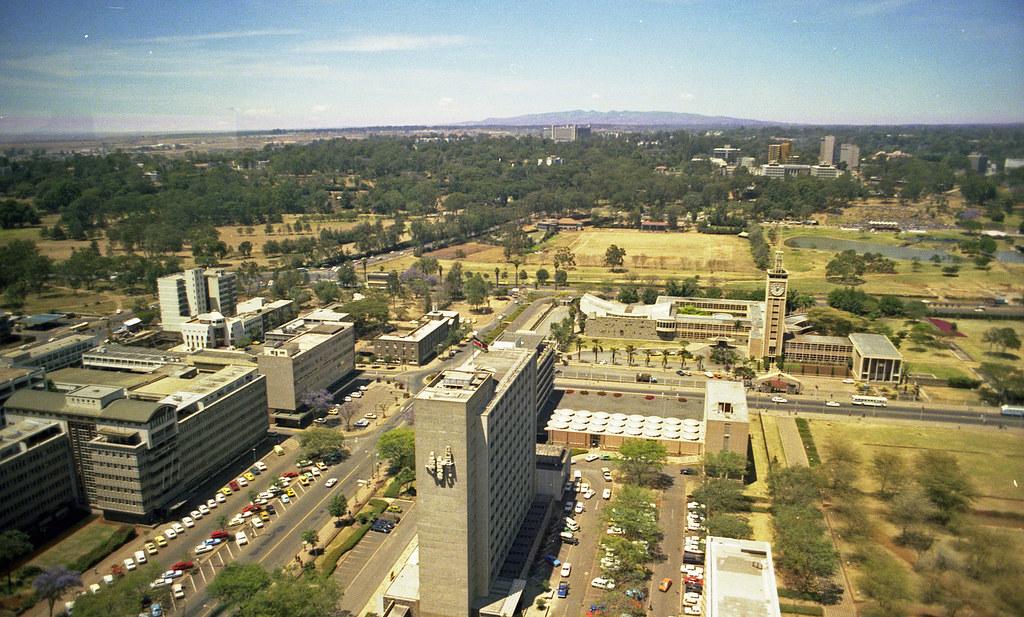
The Nairobi City County government has introduced a comprehensive waste management policy targeting improved collection services and environmental sanitation across the city. The policy, announced on July 10, is set to affect all Nairobi residents, particularly those living in informal settlements and densely populated neighborhoods where waste disposal challenges have been longstanding.
Increasing urban population and rapid growth of informal settlements have intensified waste management problems in Nairobi. City officials acknowledge that existing systems struggle to keep pace with waste volumes, contributing to clogged drainage, flooding risks during rainy seasons, and public health concerns linked to unmanaged garbage.
Impact on Residents and Service Delivery
The new policy outlines a framework for expanding door-to-door waste collection, particularly in underserved areas. It establishes partnerships with licensed waste collectors and promotes community-based waste sorting and recycling initiatives. These measures are expected to improve the frequency and reliability of waste pickups for thousands of households currently experiencing irregular or no service.
Local experts note that the policy's inclusion of mobile technology for real-time tracking of waste collection trucks aims to increase accountability and efficiency. Residents will be able to report missed collections via a city-developed phone app, enabling quicker response times from service providers. Additionally, planned public education campaigns seek to raise awareness of proper waste segregation, benefiting both environmental outcomes and informal recycling economies.
Budget and Next Steps
The Nairobi City County Budget 2026 allocates approximately KES 850 million (about USD 7.3 million) to support the initial phase of the waste management program. This funding covers procurement of collection vehicles, training for waste management staff, and the development of technological platforms for tracking and reporting.
The policy document specifies a phased rollout with priority given to high-density areas in Kibera, Mathare, and Mukuru slums. Officials have projected that improved waste collection can reduce the incidence of waterborne diseases related to poor sanitation by up to 20 percent within two years, citing previous studies conducted by the Nairobi Public Health Directorate.
Going forward, the county government plans to engage local community groups and environmental watchdogs to monitor implementation and provide feedback. Regular progress reports are expected to be published quarterly, allowing residents to track improvements in service delivery and sanitation outcomes across Nairobi's neighborhoods.