First-Time Buyers' Roadmap: How to Navigate Nairobi's Housing Market in 2026
With average prices hovering around KES 15 million and competition fierce, here's what new entrants need to know before making their move.
With average prices hovering around KES 15 million and competition fierce, here's what new entrants need to know before making their move.
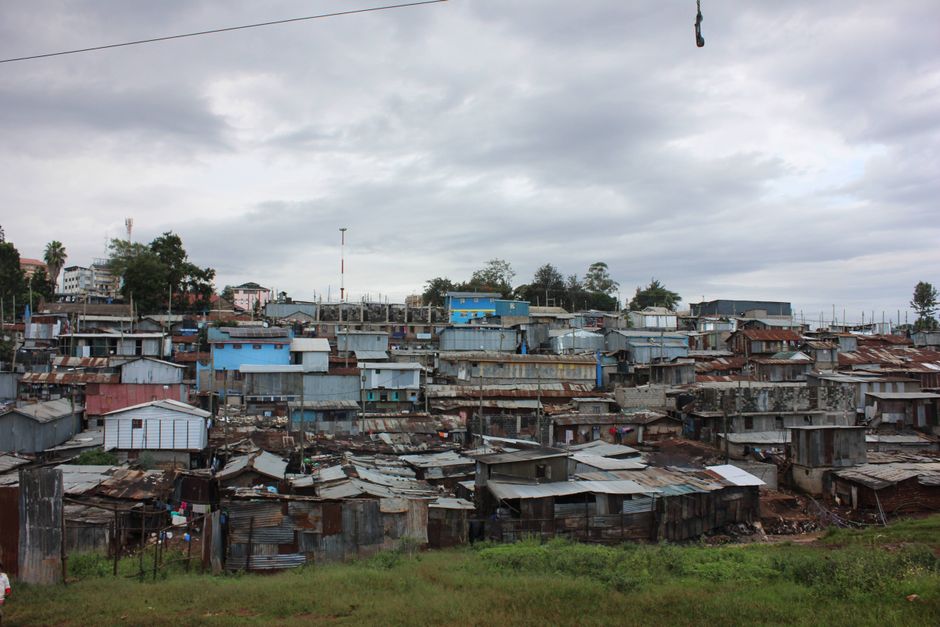
The Nairobi property market has shifted. While headlines celebrate mega-deals in Westlands and Lavington—where penthouses command premium rates—first-time buyers face a more nuanced landscape. Understanding where you can realistically enter the market has become essential.
Start by accepting your budget reality. The KES 15 million citywide average masks significant geographical variation. In prime zones like Westlands or Lavington along State House Road, expect to pay substantially more. But emerging corridors tell a different story. Ruaka and Syokimau, increasingly popular with young professionals, offer more accessible entry points without sacrificing commute viability to the Central Business District or Nairobi Tech Hub in Westlands.
Kileleshwa and Kilimani remain sweet spots for budget-conscious buyers. These neighbourhoods offer established infrastructure—proximity to schools like Nairobi Primary, shopping at Village Market, and healthcare facilities—while remaining more affordable than their northern counterparts. A one-bedroom apartment here typically ranges between KES 4-8 million, versus KES 10-15 million in premium zones.
Before committing, engage professionals. The Real Estate Institute of Kenya and local conveyancing firms can guide you through title verification—critical in a market where empty land transactions occasionally dominate headlines. Verify the property's ownership chain and ensure the land has proper planning permission. Don't skip this step.
Consider financing carefully. Banks now require 10-20% down payments, meaning you'll need liquid capital between KES 1.5-3 million for an average property. Factor in additional costs: legal fees, valuation, insurance, and council rates. This often adds 8-10% to your purchase price. Budget accordingly.
Timing matters. Market cycles fluctuate based on interest rates and regulatory shifts—Australia's recent experience shows how rate movements reshape affordability. Nairobi's market responds similarly. Monitor Central Bank announcements and mortgage rate trends before finalizing offers.
Finally, think strategically about location. Proximity to employment hubs—whether in Westlands' office parks, Upper Hill's financial district, or emerging tech spaces—affects both resale value and daily quality of life. A property in Syokimau might seem cheaper, but transport costs and time eat into savings.
The first-time buyer advantage? You're entering with fresh eyes. Avoid FOMO-driven decisions. Neighbourhoods like Kilimani and Kileleshwa aren't trendy; they're established. In property, stability often outperforms hype. Take your time, do your research, and enter when conditions suit your finances—not the market's narrative.
This article was compiled by AI from the sources linked above and screened before publishing. See our editorial standards.
How does this story make you feel?
Spread the word
About this article
Published by The Daily Nairobi
Daily brief
Free, in your inbox before 7am. Weekdays.
More in Property