Syokimau emerges as Nairobi's next investment frontier ...
Once a peripheral satellite town, the corridor south of the capital is attracting serious capital as transport links and commercial anchors transform long-term returns.
Once a peripheral satellite town, the corridor south of the capital is attracting serious capital as transport links and commercial anchors transform long-term returns.
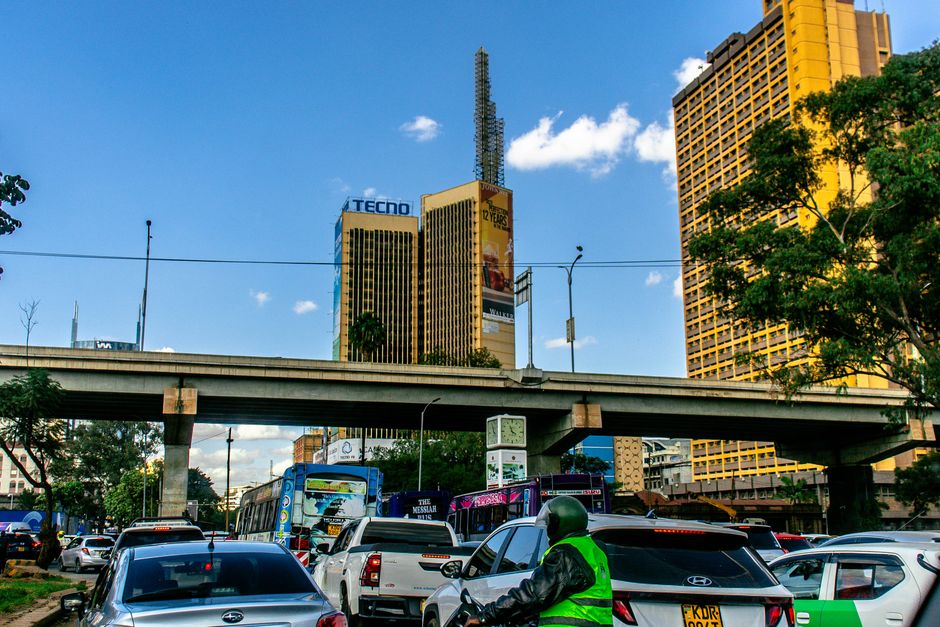
For years, Nairobi's property elite have clustered around predictable postcodes: Westlands' corporate towers, Lavington's tree-lined tranquility, Kilimani's middle-class stability. But a quiet shift is underway in Syokimau, the sprawling municipality straddling the Southern Bypass, where land prices have climbed 35–40% over the past 18 months and developers are racing to secure acreage ahead of what many analysts believe will be the next major correction in Nairobi's property cycle.
Syokimau's appeal lies partly in its brutal fundamentals. While average residential land in central Nairobi trades at KES 15 million per quarter-acre, comparable plots in Syokimau—particularly around the Athi River industrial zone and along the Mombasa Road corridor—command KES 4–7 million. For investors, the math is straightforward: buy now, wait for infrastructure, sell into scarcity.
Infrastructure is the lever. The Standard Gauge Railway terminus at Nairobi Central and the expanding container logistics hubs at Athi River have created genuine employment anchors. The Nairobi Expressway, completed in 2023, has trimmed commute times from Syokimau to the central business district to under 20 minutes during off-peak hours. More critically, the proposed Nairobi Metropolitan Area Development Plan has flagged Syokimau as a secondary commercial node, earmarking land for mixed-use development, light industrial parks, and residential estates.
On-the-ground activity reflects this shift. Developers like Cytonn Investments and Shelter Afrique have already broken ground on mid-income housing projects between Mlolongo and Athi River. Retail anchors—a nascent Carrefour outlet and multiple commercial strip developments—are beginning to coalesce around the Syokimau junction. The Nairobi Securities Exchange is also in discussions about decentralising certain operations to reduce congestion at the Upper Hill headquarters, further signalling institutional confidence in the corridor.
The demographic tailwind is equally important. Nairobi's middle class continues to swell—annual growth of roughly 4–5% in the KES 3–8 million annual income bracket—and younger professionals are increasingly willing to trade longer commutes for larger properties and lower entry prices. A three-bedroom detached home in Syokimau, fully finished, now runs KES 8–12 million; the same specification in Kilimani would exceed KES 25 million.
Risks remain. Land title disputes are endemic in Syokimau's fringe zones; due diligence is essential. Rainfall drainage and flooding during the long rains have historically plagued the lower-lying plots. And the corridor's identity as a secondary node depends entirely on government follow-through on infrastructure commitments.
Yet for investors with a 7–10 year horizon and stomach for some volatility, Syokimau now offers something central Nairobi stopped providing years ago: genuine upside.
This article was compiled by AI and screened before publishing. See our editorial standards.
How does this story make you feel?
Spread the word
About this article
Published by The Daily Nairobi
Daily brief
Free, in your inbox before 7am. Weekdays.
More in Property