Southern Bypass Expansion Opens New Wealth Corridor as Developers Rush to Syokimau
The upgraded transport artery is reshaping property economics across Nairobi's fastest-growing satellite neighbourhoods.
The upgraded transport artery is reshaping property economics across Nairobi's fastest-growing satellite neighbourhoods.
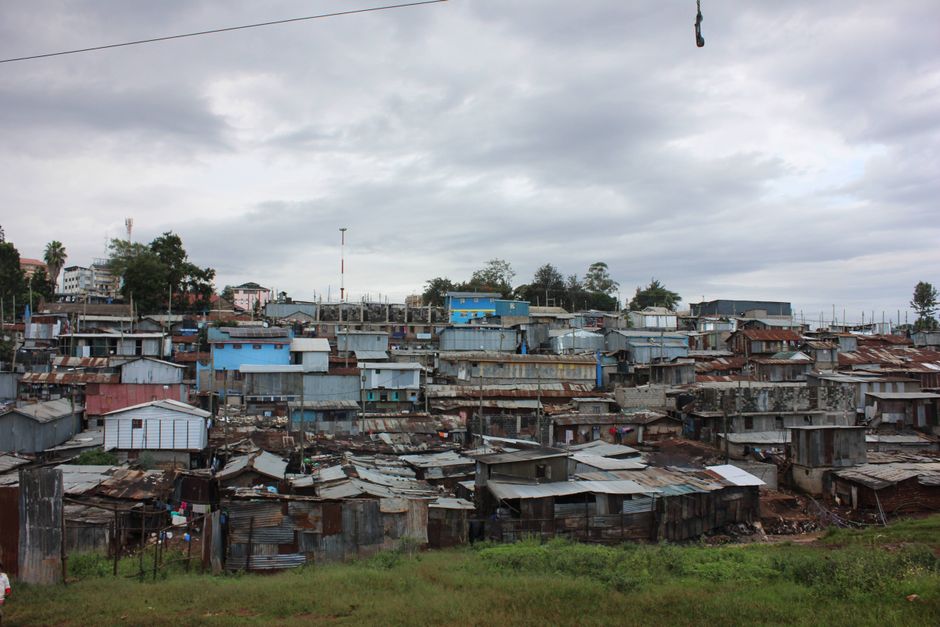
The completion of Phase Two of the Southern Bypass expansion—stretching from the current terminus near Rongai through to the Syokimau junction—is triggering a measurable shift in property valuations across East and South Nairobi. What was once a speculative frontier is rapidly becoming a genuine infrastructure-backed investment corridor.
Real estate agents tracking the Syokimau, Mlolongo, and Greater Nairobi growth zones report asking prices for residential plots have risen 22–28 percent since the bypass upgrade began in earnest last year. A half-acre plot that commanded KES 8–10 million in mid-2024 now attracts bids in the KES 11–13 million range, particularly for properties positioned within 2–3 kilometres of the new interchange nodes.
The infrastructure project, funded through a combination of government allocation and private toll concession agreements, has fundamentally altered commute geometry. What once demanded 90 minutes from Syokimau to Westlands during peak hours now takes 35–40 minutes. For young professionals and mid-market buyers priced out of Kileleshwa and Kilimani—where plots average KES 15 million to KES 25 million—that time saving translates directly into lifestyle value.
"The bypass didn't just shorten travel times," says a Nairobi-based property analyst. "It reframed how investors think about proximity to the city's economic core. Syokimau and Ruaka stopped being 'far out' and became 'strategic access points.'"
Commercial developers have taken notice. Three major retail and mixed-use projects broke ground along the bypass corridor in Q1 2026 alone. A 45,000-square-metre shopping and office hub near the Mlolongo junction and two residential complexes targeting the 5–15 million shilling mid-market are already pre-selling units at a pace that outpaces comparable developments in Thika or Nairobi's northern suburbs.
The secondary effect—improved security perception and utility infrastructure coordination along the bypass—has further lifted buyer confidence. Water and power distribution improvements, mandated as part of the expansion agreement, now reach previously underserved pockets of Athi River and Syokimau with greater reliability.
Whether this growth sustains depends partly on the promised third phase, due to begin in 2027, which would connect the bypass to Mombasa Road and the Jomo Kenyatta International Airport corridor. If executed on schedule, analysts expect property values along the southern approach to consolidate gains and push further outward to emerging zones like Kitengela and Kajiado's border regions.
For now, the Southern Bypass remains Nairobi's most visible case study in how strategic infrastructure investment can unlock dormant property markets—and why proximity to a working road matters more than proximity to a prestigious postal code.
This article was compiled by AI and screened before publishing. See our editorial standards.
How does this story make you feel?
Spread the word
About this article
Published by The Daily Nairobi
Daily brief
Free, in your inbox before 7am. Weekdays.
More in Property