New Construction, Real Returns: What Nairobi's Approval Boom Means for Investor Yields
As building permits accelerate across prime corridors, developers are posting double-digit rental yields—but timing and location remain everything.
As building permits accelerate across prime corridors, developers are posting double-digit rental yields—but timing and location remain everything.
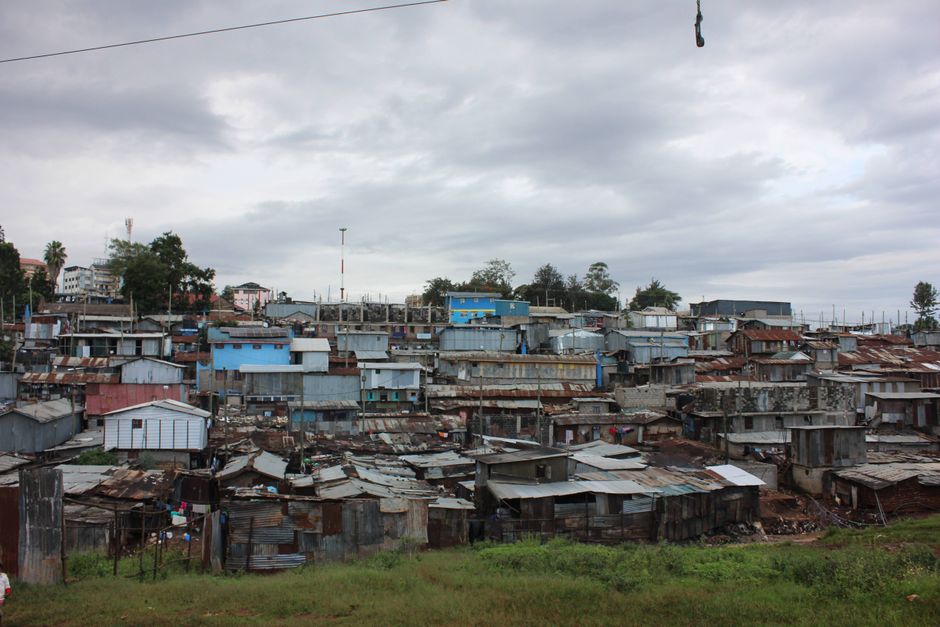
Nairobi's construction pipeline is moving faster than it has in three years. The City County's planning and building department has green-lit over 240 residential projects in the past eighteen months, with the majority clustered along Thika Road, the Westlands-Lavington spine, and emerging growth zones in Ruaka and Syokimau. For investors tracking returns, the data tells a story worth paying attention to.
The numbers are compelling. A completed mid-rise apartment block in Kilimani—eight storeys, 32 units—launched in early 2025 is now yielding 8.2% gross rental income on a KES 650 million capital spend. Similar developments along Limuru Road in Kileleshwa are reporting 7.8% yields, with occupancy rates above 94%. These figures dwarf what fixed-income instruments offer, and outpace the long-term capital appreciation curve that dominated Nairobi property through the 2010s.
But the approval acceleration carries a caveat: supply is tightening margins. The Nairobi Business District, traditionally the yield darling for office investors, now faces headwinds as 180,000 square metres of new commercial space enters the market by 2027. Grade A office rents have flattened at KES 45–50 per square foot annually—a far cry from the 15% year-on-year growth seen between 2020 and 2023.
Residential tells a different story. The Syokimau corridor—once considered speculative—has attracted three major residential approvals in the past twelve months. Entry prices sit 35–40% below Kilimani, and preliminary rental yields on completed units are tracking at 9.1–9.8%. The trade-off: liquidity. A one-bedroom unit in Syokimau moves slower than its Westlands equivalent, though hold periods of five to seven years are absorbing that friction.
What's shifting investor behaviour is approval velocity itself. When a developer secures clearance from City Hall, it now typically signals genuine momentum rather than speculative land-banking. The recent crackdown on incomplete projects and stricter enforcement of building codes have winnowed out marginal operators, leaving institutional developers—and their pre-sold units—as the default position.
For investors scanning opportunity, the yield math favours completed assets in established nodes: Kilimani, Kileleshwa, and parts of Westlands still anchor 7.5–8.5% returns with low execution risk. The growth play sits in Ruaka and Syokimau, where 9%+ yields compensate for longer exit timelines. Either way, the construction boom isn't a sign of bubble conditions—it's evidence that Nairobi's rental market finally justifies the capital intensity required to build.
This article was compiled by AI from the sources linked above and screened before publishing. See our editorial standards.
How does this story make you feel?
Spread the word
About this article
Published by The Daily Nairobi
Daily brief
Free, in your inbox before 7am. Weekdays.
More in Property