Ultra-luxury developments reshape Westlands and Lavington: What's really changing on the ground
A wave of high-end residential projects is redefining Nairobi's most coveted addresses, with implications far beyond the penthouses themselves.
A wave of high-end residential projects is redefining Nairobi's most coveted addresses, with implications far beyond the penthouses themselves.
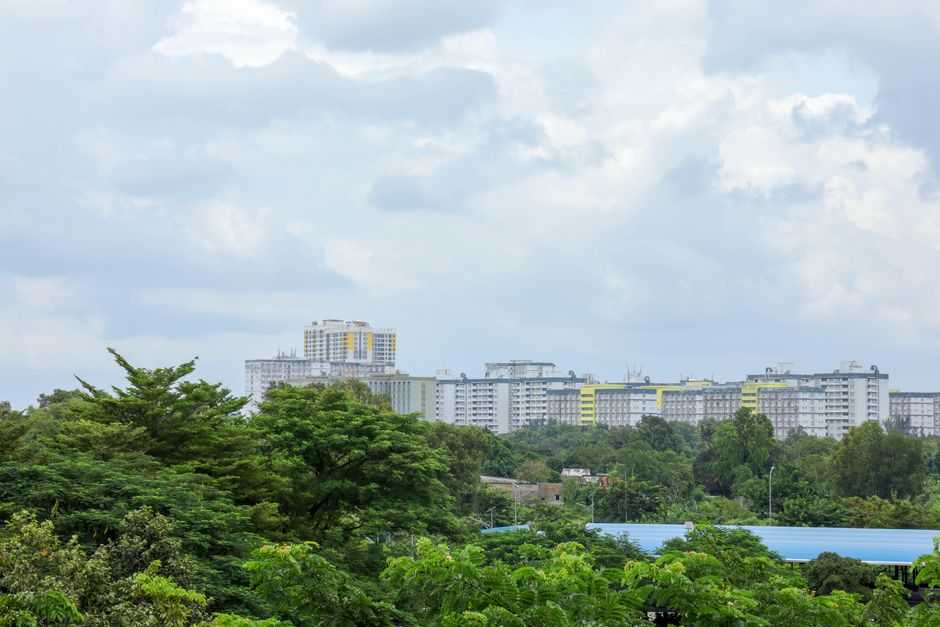
Nairobi's luxury property market is experiencing a decisive inflection point. Across Westlands, Lavington, and the upper reaches of Kileleshwa, a cluster of new ultra-premium developments is not merely adding supply—it's fundamentally reshaping neighbourhood character, infrastructure expectations, and pricing dynamics in ways that will ripple through the broader property ecosystem for years to come.
The numbers tell part of the story. While Nairobi's average residential property hovers around KES 15 million, new flagship projects in these precincts are commanding prices between KES 150 million and KES 500 million for three to five-bedroom units. But the real significance lies in what these developments signal: a maturation of Kenya's high-end residential market and a sustained belief from both local and international investors that Nairobi merits the kind of infrastructure investment previously reserved for established global financial centres.
Consider the infrastructure footprint. These new projects are driving improvements to tree-lined avenues around State House Road, Muthaiga, and the Lavington Ridge area—better drainage, reinforced security architecture, and enhanced utilities that benefit adjacent properties. Developers competing for ultra-affluent buyers cannot afford to cut corners on the basics. A completed tower in upper Westlands near the Nairobi Serena Hotel, for instance, includes a private healthcare clinic, multiple leisure facilities, and dedicated concierge services—amenities that raise the bar for neighbouring developments and create new resident expectations.
The neighbourhood impact extends beyond gates and manicured lawns. Kileleshwa and Kilimani, traditionally middle-to-upper-market residential zones with average prices around KES 30-40 million, are now attracting spillover demand from buyers priced out of Westlands proper. This has triggered secondary development activity: boutique office conversions, speciality retail, and wellness facilities clustering around Westlands Avenue and the Karen roundabout corridor. A five-year-old property in Kilimani that sold for KES 45 million now finds comparable units asking KES 70-85 million.
What these projects mean for the broader area is a recalibration of Nairobi's property hierarchy. The gap between Westlands-Lavington and outlying growth corridors like Ruaka and Syokimau—historically significant—is narrowing, not because those corridors are becoming luxury destinations, but because premium developments are pushing sophisticated buyers to reassess value further afield. Simultaneously, the concentration of capital in these established enclaves is intensifying, making them less accessible to upper-middle-class buyers while solidifying their position as East Africa's most resilient wealth preserve. For investors and residents alike, the message is clear: Nairobi's luxury market is no longer aspirational—it's structural.
This article was compiled by AI and screened before publishing. See our editorial standards.
How does this story make you feel?
Spread the word
About this article
Published by The Daily Nairobi
Daily brief
Free, in your inbox before 7am. Weekdays.
More in Property