Nairobi's Rental Vacancy Crisis: What's Really Driving ...
A perfect storm of undersupply, corporate relocations and shifting tenant preferences is reshaping Nairobi's rental landscape—and savvy renters are repositioning accordingly.
A perfect storm of undersupply, corporate relocations and shifting tenant preferences is reshaping Nairobi's rental landscape—and savvy renters are repositioning accordingly.
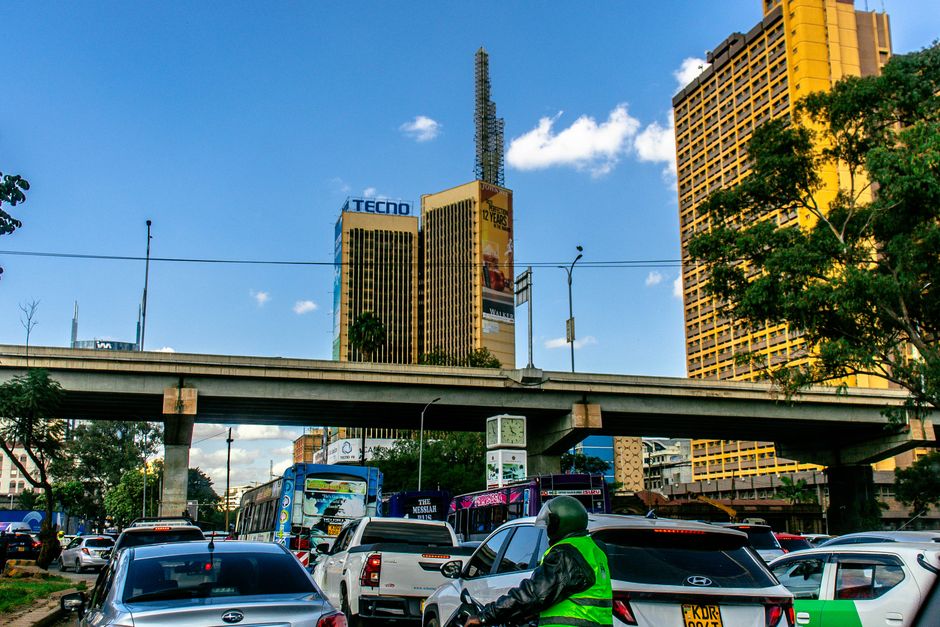
Nairobi's rental market is experiencing a paradox that defies conventional wisdom. While vacancy rates in prime zones like Westlands and Lavington hover around 8-12%, the cost of securing quality accommodation has surged by 18-22% year-on-year, according to recent property surveys. The culprit isn't scarcity alone—it's a fundamental mismatch between what landlords are building and what tenants actually need.
The figures tell a compelling story. A two-bedroom apartment in Kilimani now averages KES 85,000-120,000 monthly, compared to KES 70,000-95,000 just eighteen months ago. In Kileleshwa, similar units command KES 75,000-100,000. Yet across Nairobi, nearly 18% of completed residential units sit vacant, suggesting the problem isn't demand—it's fit.
Three forces are reshaping the market. First, multinational corporations and tech firms are consolidating operations in satellite areas around Ruaka and Westlands, drawing employees away from traditional CBD rental clusters. Second, landlords continue prioritizing luxury finishes and extended leases over flexibility, exactly when young professionals and startups demand shorter terms and minimalist aesthetics. Third, the cost of living crisis has fragmented demand: premium Westlands remains stable while growth corridors like Syokimau and Kasarani absorb budget-conscious renters seeking 30% savings.
For tenants navigating this environment, knowledge is leverage. Negotiate hard in traditionally oversupplied zones—Kilimani and Kileleshwa landlords are increasingly flexible on lease duration and furnished versus unfurnished terms. Avoid the Nairobi CBD proper unless your workplace is within walking distance of Dennis Pritt Road or along Kenyatta Avenue; transport costs will erase any rental savings. Consider emerging nodes like Imara Daima and Donholm, where rents remain 25-35% lower than central areas while infrastructure improves steadily.
Timing matters enormously. The June-to-August window traditionally sees reduced competition as families settle into winter routines; this year, that advantage extends into September due to school calendar shifts. Use this to negotiate three to four weeks' free rent or reduced deposits in Lavington and Westlands properties.
The rental market's future depends on supply alignment. Until developers pivot toward medium-density, flexible-lease units in emerging suburbs—and corporations stop clustering exclusively in traditional hubs—prices will remain sticky despite vacant units gathering dust in premium addresses. For renters, this means opportunity: leverage the mismatch, avoid the prestige tax of central postcodes, and position yourself in corridors where landlords are hungry and flexible.
This article was compiled by AI from the sources linked above and screened before publishing. See our editorial standards.
How does this story make you feel?
Spread the word
About this article
Published by The Daily Nairobi
Daily brief
Free, in your inbox before 7am. Weekdays.
More in Property