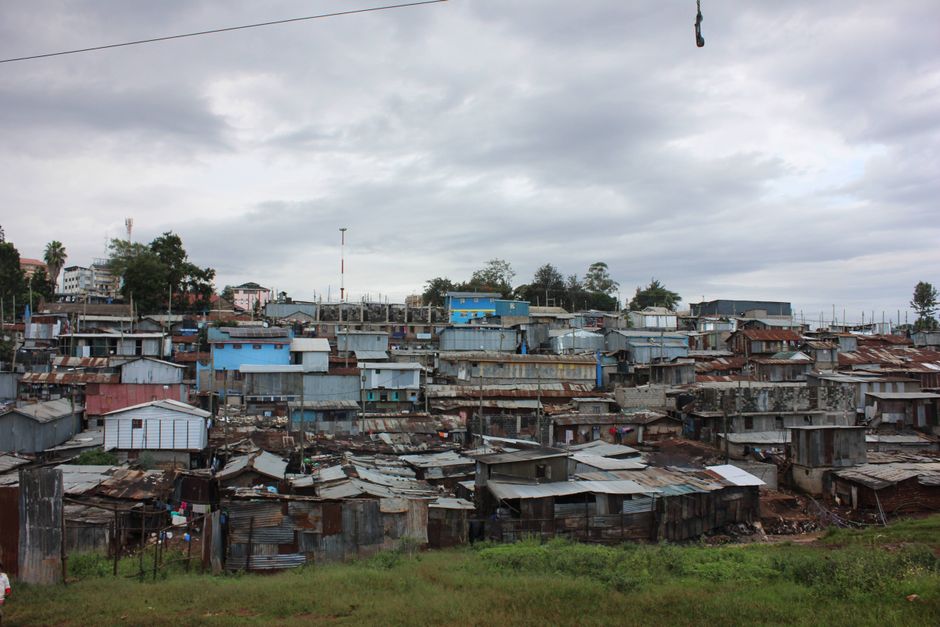
Nairobi's Auction Data Exposes Affordable Housing Crisis Worsening
Recent property sales and reserve price trends across the city suggest policymakers are losing the race against affordability.
Recent property sales and reserve price trends across the city suggest policymakers are losing the race against affordability.

Listen to this article · 3:25
Nairobi's property auction market is sending an unmistakable signal: the gap between where ordinary workers can afford to live and where homes are actually selling is widening dangerously.
Data from recent property auctions tells the story. Over the past 18 months, reserve prices for residential units across East Nairobi's growth corridors—Ruaka, Syokimau, and Juja—have climbed between 12 and 18 percent annually, even as nominal wage growth has stalled at 4 percent. Meanwhile, premium zones like Westlands and Lavington continue trading at stratospheric levels, with many properties commanding well above KES 50 million. The median asking price across Nairobi currently sits around KES 15 million, yet auction results suggest first-time buyers are being priced out of even modest two-bedroom units in accessible neighbourhoods.
A telling pattern has emerged at recent Housing Development Finance Company and National Housing Corporation auctions. Properties listed at KES 8–12 million—historically the entry point for middle-income families—are attracting investor syndicates rather than owner-occupiers. Completion rates for these auctions have fallen to 63 percent over the past two quarters, indicating either reserve prices are too high or the pool of genuine homebuyers at that price tier has shrunk significantly.
The Kilimani and Kileleshwa markets, once positioned as affordable alternatives to Westlands, now command KES 18–25 million for comparable units. Young professionals and growing families are being forced further afield—toward Membley, Kahawa Sukari, and the outer reaches of Ruaka—where land costs remain competitive but infrastructure and security remain pressing concerns.
What auction data is quietly signalling is that without meaningful policy intervention, Nairobi risks replicating patterns seen in major global cities where housing becomes accessible only to the wealthy or those with external capital. The government's affordable housing target—one million units by 2027—remains aspirational rather than market-reality. Private developers continue clustering in premium zones where margins are highest, and government-sponsored projects in Kilimani and Kariobangi have struggled with completion timelines and affordability compliance.
The auction trends suggest a market correction may be overdue, but not in the direction policymakers hoped. Without reform to land release, zoning regulations, and developer incentives, Nairobi's affordability crisis will deepen. The data isn't lying; it's asking whether the city's housing policy can catch up before ordinary Nairobians are priced out entirely.
This article was compiled by AI and screened before publishing. See our editorial standards.
How does this story make you feel?
Spread the word
About this article
Published by The Daily Nairobi
Daily brief
Free, in your inbox before 7am. Weekdays.
More in Property